
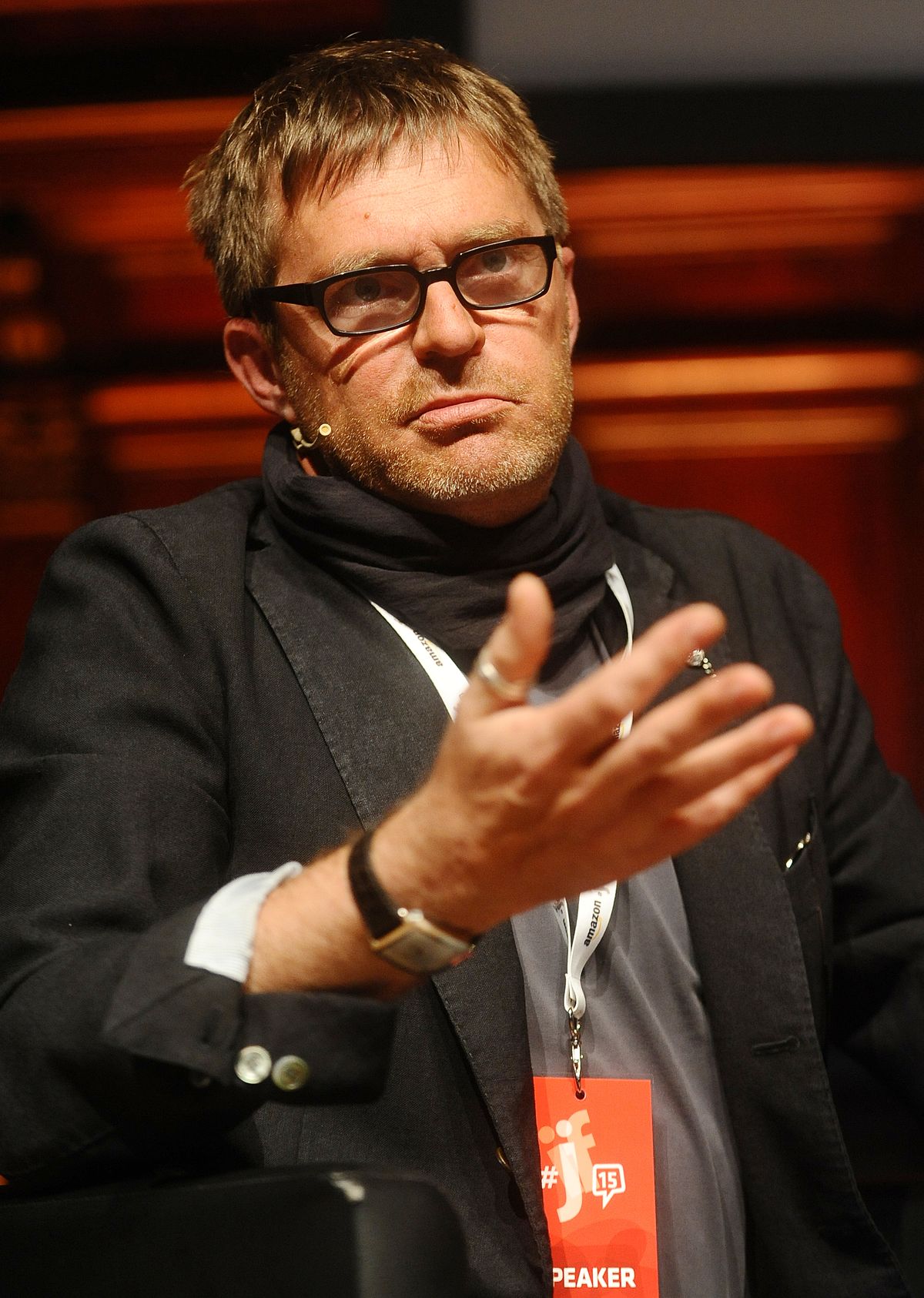
Filippo Facci, born on May 11, 1967, in Monza, Italy, is a prominent Italian journalist, writer, and television personality. With a career spanning over three decades, Facci has become a significant figure in the Italian media landscape, known for his sharp analysis, incisive writing, and sometimes controversial opinions. This article delves into the life, career, and achievements of Filippo Facci, exploring his journey from a young journalist to a respected—and often polarizing—voice in Italian journalism.
Early Life and Educational Background
Filippo Facci’s early life in Monza, a city known for its rich history and cultural significance, played a crucial role in shaping his intellectual curiosity. From a young age, Facci exhibited a keen interest in writing and current affairs, which would later drive his pursuit of a career in journalism. He attended the University of Milan, where he studied Communication Sciences, a field that offered a comprehensive understanding of media, communication, and the role of journalism in society.
His academic background provided him with a solid foundation in critical thinking, media theory, and the mechanics of journalism, which would later inform his approach to reporting and commentary. After graduating, Facci embarked on his journalistic career, eager to make his mark in a highly competitive industry.
The Beginnings of a Journalism Career
Facci’s career in journalism began at a young age when he started contributing to several prominent Italian newspapers. His first major roles were with L’Unità and La Repubblica, two of Italy’s leading daily newspapers. These early experiences exposed him to the fast-paced world of news reporting and honed his skills in investigative journalism, particularly in political reporting.
One of the defining moments in Facci’s early career was his involvement in covering Tangentopoli and the Mani Pulite investigation, a nationwide judicial investigation into political corruption in Italy during the early 1990s. This period, often referred to as the “Clean Hands” operation, uncovered widespread corruption within the Italian political system, leading to the downfall of several high-profile politicians and the restructuring of the country’s political landscape.
Facci’s reporting during this time was marked by his ability to dissect complex political scenarios and present them in a manner that was both accessible and engaging to the public. His work earned him recognition among his peers and established him as a credible and insightful voice in political journalism.
A Prolific Writing Career
In addition to his work as a journalist, Filippo Facci is also a prolific writer, having authored several books and numerous articles on a wide range of topics. His writing often delves into the intricacies of Italian politics, economics, and society, offering readers a nuanced perspective on contemporary issues. Facci’s ability to translate complex topics into accessible narratives has made his work popular among a broad audience.
His books, many of which have become bestsellers, are known for their in-depth analysis and thought-provoking content. Facci’s literary style is characterized by a combination of rigorous research and a flair for storytelling, which allows him to engage readers while also educating them on important issues. His works are not merely journalistic but also literary, reflecting his deep understanding of the subjects he covers.
Contributions to Print and Digital Media
Throughout his career, Filippo Facci has contributed to a variety of Italian publications, solidifying his position as a respected journalist. For 15 years, he served as an editorialist for Il Giornale, a major Italian daily newspaper known for its center-right editorial stance. During this time, Facci wrote extensively on political and economic issues, often challenging prevailing narratives and offering alternative viewpoints.
In addition to his work with Il Giornale, Facci has been a regular contributor to Il Foglio, where he has written on topics ranging from classical music to contemporary culture. His versatility as a writer is evident in his ability to switch between different genres and subjects, making him a well-rounded journalist with a broad appeal.
One of Facci’s more unique contributions was his column in the magazine Grazia, where he wrote fictional stories about women. This column allowed him to explore creative writing, adding another dimension to his already diverse portfolio. His ability to capture the complexities of human emotions and relationships in these stories further demonstrated his talent as a writer.
Television and Media Appearances
Filippo Facci’s influence extends beyond print media. He has been a familiar face on Italian television, where he has participated as a guest and commentator on various talk shows and news programs. Facci’s television career began in earnest in 1999 when he joined Mediaset, one of Italy’s largest media companies, where he worked for a decade.
During his time at Mediaset, Facci was known for his sharp commentary and his ability to engage audiences in discussions on current events. His television appearances often centered around political debates, where he would provide analysis and insights based on his extensive experience in journalism. His presence on television helped to raise his profile and made him a well-known figure among the Italian public.
In recent years, Facci has continued to appear on television, often as a guest on political talk shows. His commentary is known for being direct and unfiltered, which has earned him both praise and criticism. In 2023, he was slated to host a new television program preceding the Tg2 news broadcast. However, the show was canceled before it even aired due to controversies surrounding an article Facci wrote for Libero about the La Russa Jr. case, which stirred significant public debate.
Controversies and Public Perception
Throughout his career, Filippo Facci has not shied away from controversy. His willingness to tackle sensitive and divisive issues head-on has made him a polarizing figure in Italian journalism. While some praise him for his courage and honesty, others criticize him for his bluntness and the provocative nature of his commentary.
Facci’s controversial stance on various issues has often led to public debates and, at times, backlash. His articles and television appearances have sparked discussions on topics ranging from politics to social issues, with Facci often taking positions that challenge conventional thinking. This has made him a figure of significant influence but also one of controversy.
Despite the controversies, Facci’s contributions to journalism cannot be overlooked. His work has had a lasting impact on the field, particularly in the way he has pushed the boundaries of political commentary and analysis. His ability to generate discussion and provoke thought is a testament to his skill as a journalist and commentator.
Personal Life and Interests
Filippo Facci is known for being a private individual, particularly when it comes to his personal life. Despite his public persona, he has always maintained a clear boundary between his professional and personal life. He is married and has two children, whom he has kept largely out of the public eye.
Outside of his professional work, Facci has a number of personal interests that he pursues in his free time. He is an avid traveler, with a passion for exploring new cultures and learning about different traditions. His travels have undoubtedly influenced his work, providing him with a broader perspective on global issues.
Facci is also a lover of nature, particularly the mountains, and enjoys spending time outdoors. He is known to have a deep affection for animals and owns several pets. His love for nature and animals is often reflected in the way he writes about the world, with a focus on the importance of preserving the environment and protecting vulnerable species.
In addition to his love of nature, Facci is deeply interested in history, art, and music. He has written extensively on classical music, demonstrating his appreciation for the arts and his ability to connect cultural topics with contemporary issues. His intellectual curiosity and diverse interests make him a well-rounded individual, capable of engaging with a wide range of subjects.
Social Media Presence and Public Engagement
Filippo Facci is also active on social media, where he shares his thoughts on current events, personal reflections, and updates on his work. His social media presence allows him to connect with a broader audience, offering insights into his daily life and his views on various topics. Facci’s followers appreciate his candidness and his willingness to engage in discussions, even on contentious issues.
While Facci maintains a certain level of privacy, his social media accounts provide a glimpse into his personal life and interests. His posts often reflect his passions, including his love of travel, music, and literature. Through social media, Facci continues to influence public discourse, reaching an audience that extends beyond traditional media platforms.
Conclusion
Filippo Facci’s career is a testament to his dedication to journalism and his commitment to exploring the complexities of contemporary society. From his early days as a young journalist covering the Mani Pulite investigation to his current role as a commentator and writer, Facci has consistently demonstrated his ability to engage with difficult topics and provoke meaningful discussions.
Despite the controversies that have surrounded him, Facci remains a respected figure in Italian journalism. His work has had a lasting impact on the field, influencing how political and social issues are covered in the media. As he continues to write, comment, and engage with the public, Filippo Facci’s influence on Italian journalism is likely to endure for many years to come.


