
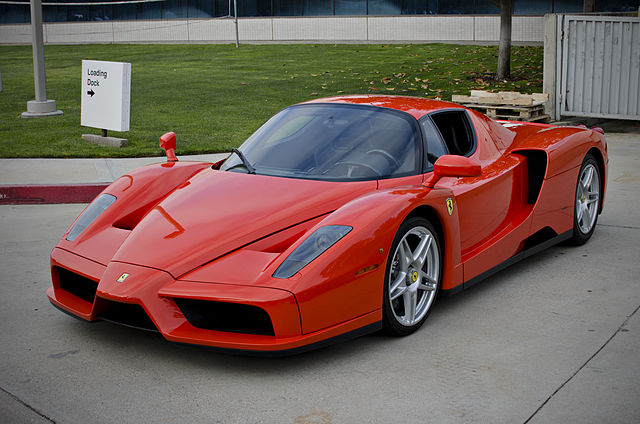
Enzo Ferrari is one of the most legendary figures in the history of motorsport. Born on February 18, 1898, in Modena, Italy, Ferrari’s name has become synonymous with speed, luxury, and innovation. His life story is not just one of personal achievement but of the creation of a global empire that revolutionized the automotive world. This article explores the life, career, and legacy of Enzo Ferrari, delving into the key moments that defined his journey and the impact he had on the automotive industry.
Early Life and Inspirations
Enzo Anselmo Giuseppe Maria Ferrari was born into a modest family in Modena, where his father, Alfredo Ferrari, worked as a metalworker and owned a small manufacturing business. Enzo’s love affair with automobiles began at the tender age of ten when his father took him and his brother to their first car race in Bologna. The roar of the engines and the thrill of the competition left an indelible mark on the young Ferrari, sparking a lifelong passion for racing.
Ferrari’s formal education was limited, something he would later regret deeply. However, his lack of academic credentials did not deter him from pursuing his dreams. The outbreak of World War I in 1914 interrupted his early ambitions, and he was drafted into the Italian Army. The war years were tough on Ferrari; he lost both his father and brother to illness, and he himself nearly died from the Spanish flu pandemic in 1918.
Early Career in Motorsport
After the war, Ferrari returned to civilian life, determined to make his mark in the automotive world. He secured a job at CMN (Costruzioni Meccaniche Nazionali), a small car manufacturer where he worked as a test driver. It was during this time that Ferrari began to immerse himself in the world of racing, participating in local events and honing his skills behind the wheel.
In 1919, Ferrari made his competitive racing debut at the Targa Florio, one of the most prestigious races in Italy. Although he finished ninth, it was the beginning of a career that would soon see him rise to prominence. In 1920, Ferrari joined Alfa Romeo, a move that would prove pivotal in his career. He quickly became one of Alfa Romeo’s most valuable drivers, earning a reputation for his skill and determination on the track.
The Birth of Scuderia Ferrari
By the mid-1920s, Ferrari had established himself as a formidable racing driver, but his ambitions extended beyond the driver’s seat. In 1929, he founded Scuderia Ferrari in Modena, initially as a racing team for amateur drivers who wanted to compete using Alfa Romeo cars. Scuderia Ferrari quickly gained a reputation for its professionalism and competitiveness, attracting some of the best drivers of the era, including Giuseppe Campari and Tazio Nuvolari.
The partnership between Scuderia Ferrari and Alfa Romeo proved to be highly successful, with the team achieving numerous victories throughout the early 1930s. However, by 1933, Alfa Romeo was facing financial difficulties and decided to withdraw from racing. This decision allowed Ferrari to take full control of the racing team, marking the beginning of his journey as a team owner and manager.
Challenges and Triumphs: The Pre-War Years
The 1930s were a period of both challenges and triumphs for Ferrari. Under his leadership, Scuderia Ferrari became a dominant force in European motorsport, competing against the powerful German teams of Auto Union and Mercedes-Benz. Ferrari’s management style was characterized by his relentless pursuit of excellence and his ability to inspire loyalty among his drivers and team members.
One of Ferrari’s most significant achievements during this period was his recruitment of French driver René Dreyfus, who had previously driven for Bugatti. Dreyfus’s arrival at Scuderia Ferrari brought a new level of professionalism to the team, and his insights helped Ferrari develop a more sophisticated approach to racing. Despite the growing competition from German manufacturers, Ferrari’s team managed to secure several important victories, further cementing its reputation as one of the top teams in Europe.
World War II and the Post-War Era
The outbreak of World War II in 1939 brought a temporary halt to Ferrari’s racing activities. During the war, Ferrari focused on manufacturing machine tools and aircraft components for the Italian military, keeping his company afloat during these difficult years. However, his passion for racing never waned, and as soon as the war ended, he set about rebuilding his racing team.
In 1947, Ferrari launched the first car to bear his name, the Ferrari 125 S. Powered by a V12 engine designed by Gioachino Colombo, the 125 S made its debut at the Grand Prix of Rome, where it took victory in its second race. This marked the beginning of Ferrari’s journey as a car manufacturer, with the company quickly gaining a reputation for producing some of the most powerful and technologically advanced cars in the world.
The post-war years were a period of rapid growth for Ferrari. The company expanded its operations, developing a range of sports cars and racing cars that would dominate the world of motorsport for decades to come. Ferrari’s success on the track was matched by its commercial success, with the company becoming one of the most sought-after brands in the automotive industry.
The Golden Years: Ferrari in Formula One
The 1950s and 1960s were the golden years for Ferrari, particularly in Formula One, where the team achieved unparalleled success. In 1951, the Ferrari 375 F1 secured the team’s first victory in a World Championship race at the British Grand Prix, with Argentine driver José Froilán González behind the wheel. This victory marked the beginning of a long and illustrious history in Formula One, with Ferrari going on to win multiple World Championships.
During these years, Ferrari attracted some of the most talented drivers in the world, including Alberto Ascari, Juan Manuel Fangio, and Mike Hawthorn. The team’s success was built on a combination of engineering excellence and Ferrari’s uncompromising approach to racing. Enzo Ferrari was known for his demanding nature and his insistence on absolute dedication from everyone in the team, from the drivers to the mechanics.
However, Ferrari’s relentless pursuit of success came at a cost. The 1950s and 1960s were also marked by several tragic accidents that claimed the lives of some of Ferrari’s most promising drivers. These tragedies weighed heavily on Ferrari, who was known to have a complex and often contradictory relationship with his drivers. Despite the dangers, Ferrari remained committed to pushing the boundaries of what was possible in motorsport, leading his team to continued success on the world stage.
Innovation and Expansion: Ferrari Beyond Racing
While Ferrari is best known for its success in motorsport, Enzo Ferrari also had a vision for expanding the brand beyond the racetrack. In the 1950s, Ferrari began producing road cars, leveraging the company’s reputation for performance and engineering excellence to create some of the most iconic sports cars in history. Models like the Ferrari 250 GTO and the Ferrari Daytona became symbols of luxury and performance, coveted by car enthusiasts and collectors around the world.
Ferrari’s approach to car manufacturing was rooted in the same principles that guided its racing team: innovation, precision, and a relentless pursuit of perfection. The company’s road cars were characterized by their powerful engines, elegant design, and advanced technology, setting new standards in the automotive industry.
In 1969, facing increasing financial pressures, Enzo Ferrari made the difficult decision to sell a 50% stake in his company to Fiat. This partnership provided Ferrari with the resources it needed to continue developing new models and expanding its operations. While some critics argued that the Fiat partnership diluted Ferrari’s exclusivity, the deal ultimately helped the company maintain its position as a leader in the automotive industry.
Later Years and Legacy
The 1970s and 1980s saw Ferrari continue to innovate and achieve success both on and off the track. The arrival of Niki Lauda in 1974 brought a new era of success for Ferrari in Formula One, with the team winning multiple World Championships under his leadership. However, as the years went on, Ferrari began to step back from the day-to-day operations of the company, entrusting more responsibility to his team of managers and engineers.
Enzo Ferrari passed away on August 14, 1988, at the age of 90. His death marked the end of an era, but his legacy lived on through the company he founded and the cars that continue to bear his name. Ferrari remains one of the most successful and iconic brands in the world, known for its combination of speed, luxury, and engineering excellence.
Conclusion
Enzo Ferrari’s life is a testament to the power of passion, determination, and vision. From his humble beginnings in Modena to the creation of a global automotive empire, Ferrari’s journey was marked by both triumph and tragedy. His contributions to motorsport and the automotive industry are unparalleled, and his influence can still be felt today, both on the racetrack and in the luxury car market.
Ferrari’s legacy is not just about the cars he built or the races he won; it is about the spirit of innovation and excellence that continues to drive the company forward. As one of the most influential figures in the history of motorsport, Enzo Ferrari’s story will continue to inspire future generations of engineers, drivers, and car enthusiasts for years to come.


