
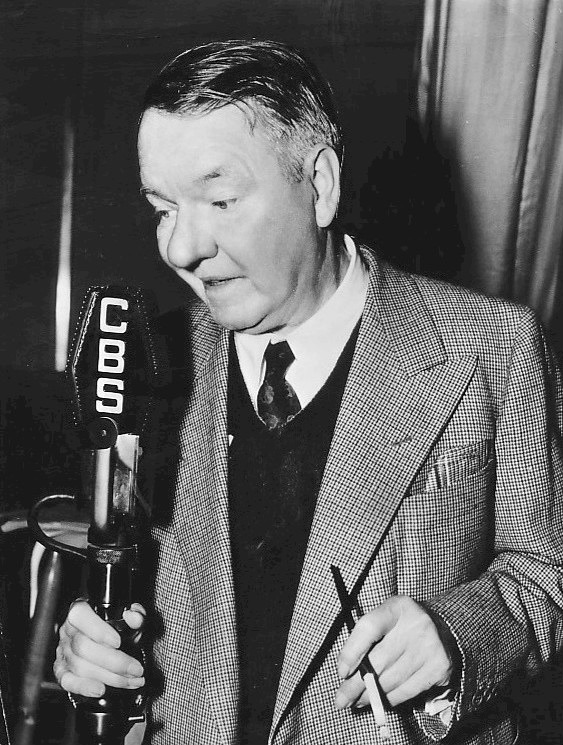
W.C. Fields, born William Claude Dukenfield on January 29, 1879, in Philadelphia, Pennsylvania, was one of the most beloved and iconic comedians of the early 20th century. Known for his acerbic wit, distinctive nasal drawl, and persona of a misanthropic, hard-drinking cynic, Fields left an indelible mark on the world of entertainment. This article explores the life of W.C. Fields, offering detailed insights into his rise to fame, his unique comedic style, and the highlights of his illustrious career.
Early Life and Beginnings
W.C. Fields was born into a poor family, the son of James Lydon Dukenfield, a struggling produce merchant, and Kate Spangler Felton. Growing up in the rough-and-tumble environment of late 19th century Philadelphia, Fields experienced a childhood marked by poverty and hardship. By his own account, he drove his father nearly mad, leading to his decision to run away from home at a young age.
Fields began his career in entertainment in the most unlikely of ways—as a juggler. His early days were spent perfecting his skills with a variety of objects, from balls to knives, which he would later incorporate into his vaudeville acts. By the age of 15, Fields was performing in small venues, and his natural talent for comedy began to emerge as he added humorous commentary to his juggling routines.
Vaudeville and the Road to Fame
The late 19th and early 20th centuries were the golden age of vaudeville, a genre of variety entertainment that included music, dance, comedy, and more. Fields found his footing in this world, becoming one of vaudeville’s most popular performers. His act, which blended juggling with sharp, cynical humor, made him a standout in the crowded field of entertainers.
In 1898, Fields made his debut in New York City at the London Theatre on the Bowery, a performance that marked the beginning of his rise to fame. By the early 1900s, he had become a well-known figure in the vaudeville circuit, performing not only in the United States but also in Europe. His success in England, France, Germany, and Spain established him as an international star.
Broadway and the Ziegfeld Follies
Fields’ transition from vaudeville to the Broadway stage was a natural progression for a performer of his caliber. In 1908, he was invited to perform at the prestigious Folies Bergère in Paris, sharing the bill with the legendary French entertainer Maurice Chevalier. This opportunity solidified his reputation as a top-tier entertainer.
From 1914 to 1921, Fields was a regular performer in the Ziegfeld Follies, a series of elaborate theatrical productions on Broadway produced by Florenz Ziegfeld. The Follies were known for their lavish costumes, stunning choreography, and star-studded casts, and Fields’ participation in these shows further elevated his status in the entertainment world. His performances in the Follies were characterized by his unique blend of physical comedy and biting satire, earning him a dedicated following.
The Silent Film Era and Hollywood Stardom
As the entertainment industry evolved, so did Fields’ career. The 1920s saw the rise of silent films, and Fields made his transition to the silver screen. His first forays into film were in silent comedies, where his physicality and expressive face made him a natural fit. However, it wasn’t until the advent of sound in cinema that Fields’ true genius as a comedian was fully realized.
Fields’ comedic style, which relied heavily on verbal wit and his distinctive voice, flourished in the talkies. His characters were often gruff, irascible men who found themselves in absurd situations, a reflection of Fields’ own disdain for societal norms and conventions. His role in “David Copperfield” (1935), directed by George Cukor, is one of his most famous. Playing the role of Mr. Micawber, Fields brought Charles Dickens’ character to life with a perfect blend of humor and pathos.
Signature Style and Legacy
W.C. Fields’ comedic style was unique, characterized by his cynical view of the world, his sharp tongue, and his disdain for societal expectations. He often portrayed characters who were down-on-their-luck drifters, con men, or henpecked husbands, always with a bottle of gin close at hand. Fields’ humor was often dark, poking fun at children, marriage, and other social institutions, but it was delivered with such charm that audiences couldn’t help but laugh.
Fields was also known for his improvisational skills. Many of his films, including “The Bank Dick” (1940) and “My Little Chickadee” (1940), featured scenes that were largely improvised, showcasing his quick wit and ability to think on his feet. His work in “If I Had a Million” (1932), a film that satirized the obsession with wealth, is another example of Fields’ ability to blend humor with social commentary.
Despite his public persona as a misanthrope, those who knew Fields personally often spoke of his kindness and generosity. However, his well-documented struggles with alcohol were not just an act; they were a real part of his life. Fields’ drinking eventually took a toll on his health, and his later years were marked by illness and decline.
Final Years and Death
As Fields aged, his health deteriorated, largely due to his heavy drinking. His last few films, though still successful, were produced under increasingly difficult conditions as Fields struggled to maintain his health and his career. Despite this, he continued to work, driven by a deep love for his craft.
W.C. Fields passed away on December 25, 1946, at the age of 67. It was ironic, perhaps fitting, that Fields—a man who famously despised sentimentality and once joked that he hated Christmas—died on that very holiday. His death marked the end of an era in American comedy, but his influence on the world of entertainment would continue long after.
Historical Context and Influence
W.C. Fields emerged during a time when American entertainment was undergoing significant changes. The vaudeville era was giving way to the golden age of Hollywood, and Fields was one of the few performers who successfully made the transition from stage to screen. His work in the early days of sound films helped to define what cinematic comedy could be, setting the stage for future generations of comedians.
Fields’ influence can be seen in the work of countless comedians who followed in his footsteps. His ability to blend physical comedy with sharp, often biting social commentary was ahead of its time and continues to resonate with audiences today. The characters he portrayed—irritable, flawed, but ultimately human—are archetypes that have been echoed in the performances of many of the great comedians who came after him.
Legacy and Cultural Impact
W.C. Fields’ legacy is one of innovation and enduring influence. He was a pioneer in the world of comedy, pushing the boundaries of what humor could be and challenging audiences to laugh at the darker aspects of life. His films remain classics of American cinema, studied and revered by comedians, filmmakers, and fans alike.
Fields’ work also had a significant impact on the cultural landscape of the United States. His characters often represented the everyman, struggling against the absurdities of life, and his humor spoke to the frustrations and challenges of ordinary people. In a time when the world was grappling with the Great Depression and the lead-up to World War II, Fields’ comedy provided both an escape and a mirror, reflecting the struggles of the era in a way that was both poignant and hilarious.
Conclusion
W.C. Fields was more than just a comedian; he was a cultural icon whose work transcended the entertainment industry. His unique blend of physical comedy, verbal wit, and social commentary made him one of the most influential figures in the history of American entertainment. From his early days as a vaudeville juggler to his status as a Hollywood legend, Fields’ career is a testament to the power of humor to entertain, challenge, and inspire.
As we look back on the life and career of W.C. Fields, we see not just a man who made people laugh, but an artist who used comedy to explore the complexities of human nature and society. His work continues to be celebrated today, a lasting tribute to a man who understood that sometimes, the best way to cope with the absurdities of life is to laugh at them.


