
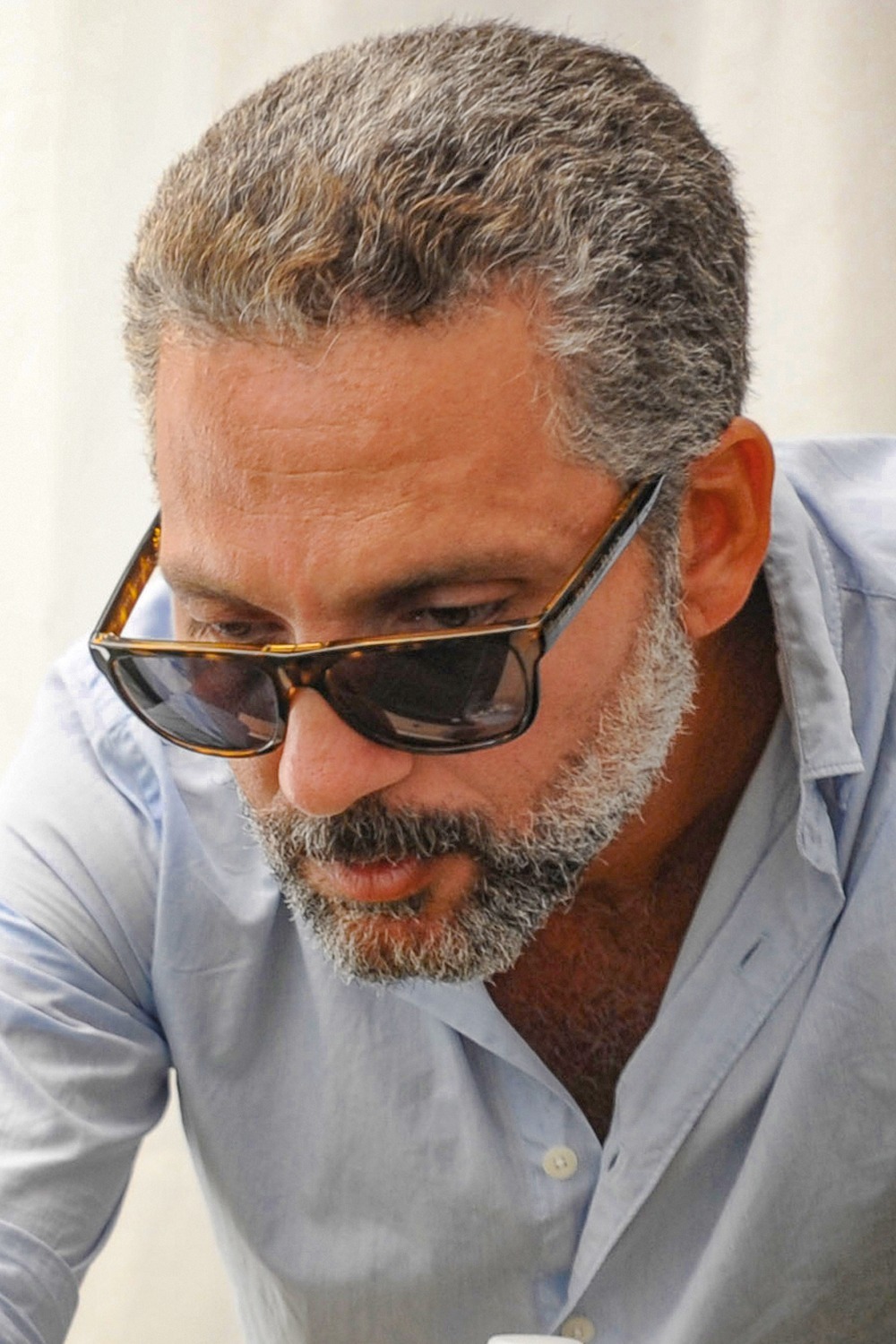
Giuseppe “Beppe” Fiorello is a name that resonates strongly in the Italian entertainment industry. Born on March 12, 1969, in Catania, Sicily, Beppe has carved out a niche for himself in both television and cinema, becoming one of the most recognized faces in Italian show business. Known for his versatility as an actor, Beppe has played a variety of roles that have endeared him to audiences across Italy and beyond. But to fully appreciate who Beppe Fiorello is, one must delve into his life, career, and the various milestones that have defined his journey.
Early Life and Beginnings
Beppe Fiorello was born into a family that would later become synonymous with Italian entertainment. He is the younger brother of Rosario Fiorello, a well-known showman, actor, and singer, and Catena Fiorello, a television presenter and writer. Growing up in such a family, Beppe was exposed to the world of entertainment from a young age, but his path to fame was not immediate.
Before making his mark in the entertainment industry, Beppe started his career far from the spotlight. He worked as a technician in a tourist village, a job that had little to do with the glamorous world of show business. However, this period of his life would prove to be formative, as it taught him the value of hard work and perseverance—qualities that would later become crucial in his acting career.
The Road to Fame: From “Fiorellino” to Beppe Fiorello
In 1994, at the age of 25, Beppe Fiorello took his first steps into the world of entertainment by joining Radio Deejay. It was here that he adopted the stage name “Fiorellino,” a nod to his famous brother Rosario. During his time at Radio Deejay, Beppe worked alongside notable figures like Amadeus, Luca Laurenti, and Marco Baldini. This experience not only helped him hone his skills but also introduced him to the wider world of Italian entertainment.
The same year, Beppe made his television debut as the host of “Karaoke,” a show on Italia 1 that was previously hosted by his brother Rosario. However, Beppe would later admit that he regretted taking on this role, as it did not align with his personal ambitions and ultimately led to comparisons with his brother.
Transition to Acting: A New Chapter
Beppe Fiorello’s transition to acting began in 1998, marking a significant turning point in his career. His first role was in the film “L’ultimo Capodanno,” directed by Marco Risi. This was followed by his television debut in “Ultimo,” where he starred alongside Raoul Bova under the direction of Stefano Reali. These early roles were pivotal, as they showcased Beppe’s acting talent and set the stage for a successful career in both film and television.
In the years that followed, Beppe Fiorello’s acting career took off. He appeared in the television movie “Il morso del serpente,” directed by Luigi Parisi, and had roles in films such as “Il talento di Mr. Ripley” by Anthony Minghella and “I fetentoni” by Alessandro Di Robilant. By 2000, Beppe had established himself as a prominent actor, especially in comedic roles. One of his most notable performances during this time was in Carlo Verdone’s “C’era un cinese in coma,” where he played a charming comedian struggling with the pressures of success.
Establishing Himself as a Leading Actor
The early 2000s were a period of significant growth for Beppe Fiorello as an actor. His performances in various television dramas, particularly those produced by Rai, Italy’s national public broadcasting company, solidified his reputation as a versatile and skilled actor. In 2001, he starred in “Tre mogli,” directed by Marco Risi, further cementing his status as a leading actor in Italian cinema.
One of the key roles that defined this era of Beppe’s career was in the television series “Brancaccio,” directed by Gianfranco Albano. He also starred in “La guerra è finita,” where he portrayed Ettore, a partisan, under the direction of Lodovico Gasparini. These roles demonstrated Beppe’s ability to tackle complex characters and narratives, earning him critical acclaim and a dedicated fan base.
In 2003, Beppe Fiorello’s personal life took a significant turn when he became a father for the first time with the birth of his daughter Anita. Two years later, he welcomed his son Nicola. Both children were born to Beppe’s partner, Eleonora Pratelli, whom he married in 2010. Despite the demands of his career, Beppe has always emphasized the importance of family, often speaking about how his children have been a source of inspiration and motivation.
Continued Success in Television and Film
Throughout the mid-2000s, Beppe Fiorello continued to deliver standout performances in both television and film. In 2005, he starred in “L’uomo sbagliato,” directed by Stefano Reali, and “Il cuore nel pozzo,” directed by Alberto Negrin. He also appeared in “Il bambino sull’acqua” by Paolo Bianchini and “Il grande Torino” by Claudio Bonivento, where he portrayed Valentino Mazzola, the famous footballer who tragically died in the Superga air disaster.
Beppe’s ability to embody a wide range of characters made him a favorite among directors and audiences alike. His performance in “Joe Petrosino,” a series directed by Alfredo Peyretti, where he played the titular character, further showcased his versatility. Beppe’s portrayal of the police lieutenant was both compelling and nuanced, adding another lauded role to his growing list of achievements.
Expanding His Horizons: Producer and Beyond
In the late 2000s, Beppe Fiorello began to explore opportunities beyond acting. He took on the role of a producer, a move that allowed him to have more creative control over his projects. One of his early ventures as a producer was the film “Domani,” directed by Giovanni Bufalini.
In 2011, Beppe participated in the film “Terraferma” by Emanuele Crialese, which was well-received by both critics and audiences. His involvement in this project highlighted his continued commitment to quality cinema and his ability to select roles that resonate with contemporary issues.
The Iconic Role of Domenico Modugno
Perhaps one of the most significant milestones in Beppe Fiorello’s career came in 2013 when he portrayed Domenico Modugno in the Rai television film “Volare,” directed by Riccardo Milani. Modugno, a legendary Italian singer-songwriter, was best known for his hit song “Nel blu dipinto di blu,” also known as “Volare.” Beppe’s portrayal of Modugno was widely praised, not only for his acting but also for his ability to capture the essence of the iconic musician. The role brought Beppe Fiorello widespread recognition and further solidified his status as one of Italy’s leading actors.
Legacy and Current Endeavors
As of today, Beppe Fiorello continues to be a prominent figure in Italian entertainment. His body of work spans over two decades and includes a wide array of roles that showcase his versatility and depth as an actor. From his early days as “Fiorellino” on Radio Deejay to his acclaimed portrayal of Domenico Modugno, Beppe’s career is a testament to his talent, dedication, and passion for his craft.
Beyond acting, Beppe has also made significant contributions to the industry as a producer, demonstrating his multifaceted talents. He remains active in the industry, continuously seeking out new challenges and opportunities to push his creative boundaries.
Conclusion: The Man Behind the Fame
Beppe Fiorello’s journey from a technician in a tourist village to one of Italy’s most beloved actors is a story of perseverance, talent, and passion. His ability to navigate the complexities of fame while staying true to his roots is a testament to his character. Today, Beppe Fiorello is not just an actor; he is a symbol of the power of resilience and the importance of following one’s dreams.
As he continues to entertain and inspire audiences, Beppe Fiorello’s legacy in the Italian entertainment industry is secure. He remains a figure of admiration and respect, both for his artistic achievements and for the way he has handled his journey through life and fame. Whether on screen or behind the scenes, Beppe Fiorello is a name that will continue to shine in the annals of Italian cinema and television.


