
Introduction: The Multifaceted Legacy of Jacopo Fo
Jacopo Fo, born on March 31, 1955, in Rome, Italy, is a writer, actor, cartoonist, and activist, best known for his eclectic body of work that spans satire, environmental advocacy, and social commentary. As the son of Nobel laureate Dario Fo and the acclaimed actress Franca Rame, Jacopo grew up immersed in a world of art, theater, and political activism. His career, while deeply influenced by his famous parents, has been marked by his unique voice and approach to blending humor with serious social issues. This article explores the life, fame, and key highlights of Jacopo Fo’s career, offering detailed insights into his work, his impact on Italian culture, and his ongoing legacy.
Early Life: Growing Up in a World of Art and Activism
The Influence of Dario Fo and Franca Rame
Born into one of Italy’s most prominent theatrical families, Jacopo Fo was surrounded by creativity and political activism from an early age. His father, Dario Fo, was a legendary playwright and satirist, while his mother, Franca Rame, was a celebrated actress and political activist. This unique upbringing not only exposed Jacopo to the world of theater but also instilled in him a strong sense of social justice. The blend of art and activism that defined his parents’ lives would come to deeply influence Jacopo’s own career.
Early Ventures in Art and Literature
Jacopo’s first foray into the creative world began as a teenager when he started publishing cartoons and illustrations in various magazines. His early work displayed a keen sense of humor and a sharp eye for satire, traits that would become hallmarks of his later work. In 1975, at the age of 20, Jacopo published his first book, Il biforcuto: Dizionario di humour, violenza, sesso, politica e altre cose (The Forked One: Dictionary of Humor, Violence, Sex, Politics, and Other Things). This book, filled with biting social commentary and humor, set the tone for Jacopo’s future projects, where he would often tackle serious issues through the lens of satire.
The 1970s and 1980s: Establishing a Unique Voice
Defending Controversial Figures
In the mid-1970s, Jacopo Fo began to make a name for himself not just as an artist but as a voice for the marginalized. In his pamphlet Se ti muovi ti stato!, Fo took a controversial stance in defense of Roberto Ognibene, a member of the Red Brigades, a far-left terrorist organization in Italy. While this position garnered significant criticism, it also highlighted Jacopo’s willingness to engage with difficult and polarizing topics, a characteristic that would define much of his later work.
The Founding of Alcatraz
One of Jacopo Fo’s most significant contributions to Italian culture came in 1981 when he founded the Libera Università di Alcatraz (Free University of Alcatraz) in the hills of Umbria. This alternative cultural center was conceived as a space for creative expression, learning, and comic therapy. It became a hub for those interested in exploring new ideas outside the traditional educational system, blending art, wellness, and activism. Alcatraz has since become a symbol of alternative culture in Italy, attracting a wide range of visitors, from artists to environmental activists.
Exploration of Feminism and Sexuality
Throughout the 1980s, Jacopo continued to push boundaries with his work. He authored a series of books that combined humor with insights into feminism, sexuality, and Zen philosophy. Notable works from this period include Fare il comunismo senza farsi male (Making Communism Without Getting Hurt) and Lo zen e l’arte di scopare (Zen and the Art of Making Love), the latter of which sold over 200,000 copies. These books were not just commercial successes; they also sparked conversations about the intersection of personal liberation and societal structures, often using humor to challenge conventional norms.
The 1990s: Expanding Horizons and Cultural Impact
Prolific Writing and Satirical Commentary
The 1990s were a period of prolific output for Jacopo Fo. He continued to publish books that combined satire with serious social and political commentary. Titles such as Diventare dio in 10 mosse (Becoming God in 10 Steps) and La vera storia del mondo (The True History of the World) showcased his ability to weave humor with critical analysis of society’s most pressing issues. These works often critiqued the education system, religious dogma, and societal norms, using satire as a tool to both entertain and provoke thought.
Collaboration with Paolo Rossi and Theater Work
Jacopo’s talents were not confined to the written word. In the late 1990s, he began collaborating with comedian Paolo Rossi, contributing to shows like Rabelais and Scatafascio. These collaborations allowed Jacopo to bring his unique brand of humor to the stage, reaching new audiences and further cementing his reputation as a versatile artist. He also continued to explore the intersection of theater and activism, much like his parents had done, but with his distinct twist on contemporary issues.
The Rise of Cacao and New Media Ventures
In 1998, Jacopo founded the satirical magazine Cacao, which quickly gained a following for its irreverent take on current events and social issues. The magazine became a platform for Jacopo to continue his exploration of humor as a means of social critique. In the same period, he ventured into new media, recognizing the potential of the internet as a tool for spreading his ideas. This foresight allowed him to reach a broader audience and adapt to the changing media landscape.
The 2000s: Advocacy, Environmentalism, and Continued Creativity
Focus on Environmental Advocacy
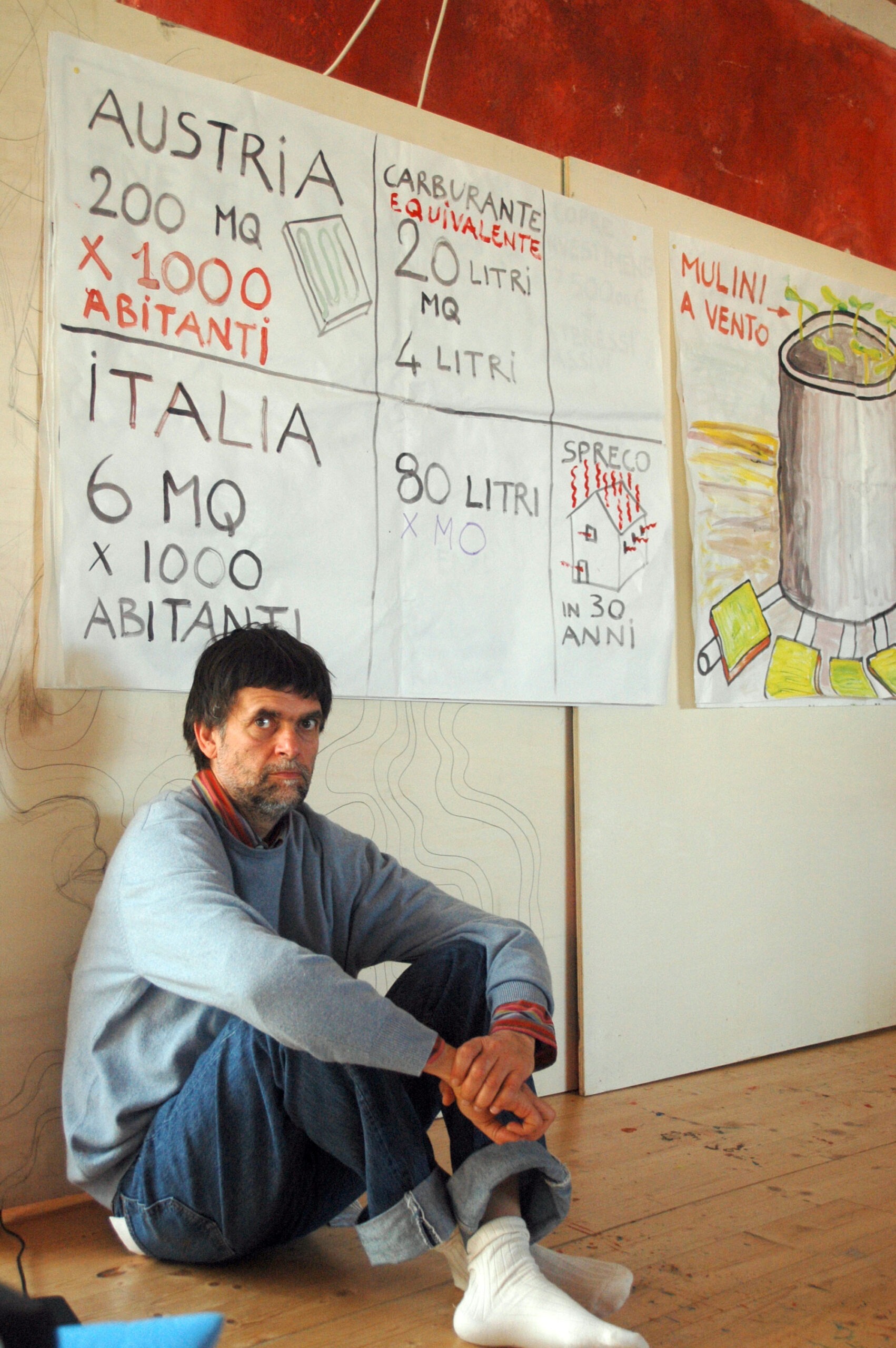
The 2000s saw Jacopo Fo increasingly focus on environmental issues. He authored several books aimed at educating the public about sustainable living and the importance of environmental conservation. Olio di colza e altri 30 modi per risparmiare, proteggere l’ambiente e salvare l’economia italiana (Rapeseed Oil and 30 Other Ways to Save Money, Protect the Environment, and Save the Italian Economy) is a prime example of his work in this area. Jacopo used his platform to advocate for renewable energy, sustainable agriculture, and other green initiatives, often blending practical advice with his characteristic humor.
The Legacy of Franca Rame and Dario Fo
The deaths of his parents, Franca Rame in 2013 and Dario Fo in 2016, were profound losses for Jacopo. Both were not only his parents but also his greatest influences and collaborators. Jacopo paid tribute to them through his work, continuing to promote the values they had instilled in him—artistic freedom, social justice, and the power of laughter. His public eulogy for his father, where he poignantly remarked, “We are communists and atheists, but we are also a bit animistic. It seems incredible that someone really dies, come on. I’m sure they’re together now and having a great laugh,” encapsulated his unique blend of humor and deep sentiment.
Expansion of Alcatraz and New Projects
Throughout the 2000s, Jacopo continued to expand the offerings at Alcatraz, turning it into a thriving community for those interested in alternative lifestyles, creativity, and social change. He also launched new projects, including Atlantide TV, an independent media platform, and continued to write prolifically. His work during this period often addressed the challenges of modern life, from environmental degradation to the complexities of interpersonal relationships, all while maintaining his signature wit.
The 2010s: Modern Challenges and Enduring Influence
Confronting Modern Issues with Satire
In the 2010s, Jacopo Fo continued to tackle contemporary issues through his writing and public speaking. His book L’erba del diavolo (The Devil’s Weed), co-authored with Nina Karen, explored the controversial topic of drug legalization, arguing that informing the public is more effective than repression. This book, like much of Jacopo’s work, challenged societal norms and pushed for progressive change.
Advocacy and Public Speaking
Jacopo also became increasingly involved in public speaking, using his platform to advocate for various causes, including environmental sustainability, social justice, and the promotion of renewable energy. His talks, often infused with humor and personal anecdotes, resonated with audiences, making complex issues more accessible and engaging.
Preserving and Promoting the Fo-Rame Legacy
Following the deaths of his parents, Jacopo took on the responsibility of preserving and promoting their legacy. He was instrumental in maintaining their vast archives, which include scripts, correspondence, and other historical documents that chronicle the history of Italian theater and activism. Through these efforts, Jacopo ensured that the contributions of Dario Fo and Franca Rame would continue to inspire future generations.
Conclusion: Jacopo Fo, A Life of Humor, Activism, and Innovation
Jacopo Fo’s life and career are a testament to the power of humor and creativity in addressing serious social issues. From his early days as a cartoonist to his work as a writer, activist, and environmental advocate, Jacopo has consistently used his talents to challenge the status quo and promote progressive change. His legacy is not only defined by his own work but also by his efforts to preserve and celebrate the contributions of his parents, ensuring that their influence on Italian culture endures. As we reflect on his life, Jacopo Fo stands as a unique figure in the world of art and activism, one who has seamlessly blended humor with a deep commitment to social justice.


