
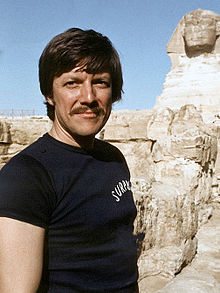
Ambrogio Fogar was an Italian adventurer, author, and television personality whose life was defined by an unquenchable thirst for exploration and a relentless pursuit of challenges. Born on August 13, 1941, in Milan, Italy, Fogar became a symbol of endurance, courage, and the human spirit’s ability to overcome adversity. His life story is one of adventure, triumph, and tragedy, making him a fascinating figure in both Italian and global history.
Early Life and Passion for Adventure
Ambrogio Fogar’s love for adventure began at an early age. Growing up in post-war Italy, Fogar was captivated by stories of exploration and the great outdoors. His passion led him to undertake his first major adventure at just 18 years old when he crossed the Alps on skis twice, a feat that demonstrated his resilience and determination.
Fogar’s early adventures were not without peril. During his 56th parachute jump, he suffered a severe accident that could have ended his life. However, this near-death experience only fueled his desire for adventure. He went on to earn a pilot’s license for small acrobatic planes, further expanding his repertoire of skills.
Ambrogio Fogar and the Sea: A Love Affair with the Ocean
The sea became a central theme in Fogar’s life. In 1972, he embarked on one of his most daring feats: a solo crossing of the North Atlantic, a journey that he completed without the use of a rudder for much of the trip. This achievement was a testament to his nautical skills and his ability to navigate some of the world’s most treacherous waters.
In January 1973, Fogar participated in the Cape Town to Rio de Janeiro Regatta, further solidifying his reputation as a skilled sailor. However, it was his solo circumnavigation of the globe in a sailboat from November 1, 1973, to December 7, 1974, that truly captured the world’s attention. Fogar sailed from east to west, against the currents and prevailing winds—a formidable challenge that very few sailors have attempted.
The culmination of Fogar’s maritime adventures came in 1978 when he attempted to circumnavigate Antarctica aboard his boat, Surprise. Tragically, the boat was struck by an orca and sank off the coast of the Falkland Islands. Fogar and his companion, journalist Mauro Mancini, were left adrift on a life raft for 74 days. While Fogar survived the ordeal, Mancini tragically lost his life. This harrowing experience marked a turning point in Fogar’s life, underscoring both the dangers of exploration and the resilience required to survive such extreme conditions.
Expanding Horizons: From the Sea to the Poles
Following his maritime adventures, Fogar turned his attention to the polar regions. After spending two grueling months in Alaska learning to drive sled dogs, he set his sights on an even greater challenge: a solo trek to the North Pole. Accompanied only by his loyal dog Armaduk, Fogar planned to traverse the icy wilderness on foot—a testament to his unyielding spirit and desire to push the limits of human endurance.
Fogar’s polar expeditions were part of a broader trend during the 20th century, where explorers sought to conquer the most remote and inhospitable places on Earth. His ambition to reach the North Pole was driven by the same spirit that had motivated earlier explorers like Robert Peary and Roald Amundsen. Although Fogar’s plans were ultimately cut short, his efforts to explore the polar regions were a significant chapter in his life, highlighting his versatility as an adventurer.
Ambrogio Fogar on Television: Bringing Adventure to the Masses
In addition to his expeditions, Fogar became a well-known television personality in Italy. His show, Jonathan: Dimensione Avventura (Jonathan: The Adventure Dimension), aired for seven years and brought the world of extreme exploration to viewers across Italy. Fogar’s television work was groundbreaking in its ability to combine entertainment with education, offering audiences a glimpse into the dangers and wonders of the natural world.
The success of Jonathan reflected the growing public interest in adventure and exploration during the late 20th century. Fogar’s ability to communicate his experiences in an engaging and accessible way made him a beloved figure in Italian popular culture. His television career also allowed him to reach a broader audience, inspiring countless viewers to embrace the spirit of adventure in their own lives.
The Call of the Desert: Racing Across the Sands
Fogar’s adventures were not limited to the seas and polar ice. He was also drawn to the deserts, participating in some of the most grueling off-road races in the world. He competed in three editions of the Paris-Dakar Rally, a race known for its extreme conditions and high attrition rate. Fogar’s participation in the rally underscored his willingness to take on new challenges, even in the most hostile environments.
In addition to the Paris-Dakar, Fogar also took part in three editions of the Rally of the Pharaohs, a race that traverses the vast and unforgiving deserts of Egypt. These desert races were a natural extension of Fogar’s adventurous spirit, allowing him to test his limits in yet another extreme environment. The transition from the ocean to the desert demonstrated Fogar’s versatility as an adventurer and his relentless pursuit of new challenges.
Tragedy Strikes: The Accident That Changed Everything
On September 12, 1992, Fogar’s life took a tragic turn during the Paris-Moscow-Beijing Raid. His vehicle flipped over, resulting in a severe spinal cord injury that left him paralyzed from the neck down. The accident broke his second cervical vertebra and severed his spinal cord, leaving him unable to move or breathe independently.
The injury marked the beginning of a new chapter in Fogar’s life—one defined by physical limitations but also by incredible resilience. Despite his paralysis, Fogar refused to give up. He continued to engage with the world, writing books, raising awareness for spinal cord injuries, and even undertaking new adventures from his hospital bed.
Ambrogio Fogar: Author and Advocate
Fogar’s writing career was an extension of his adventures, allowing him to share his experiences with a wider audience. He authored several books, including Il mio Atlantico (My Atlantic) and La zattera (The Raft), both of which won the prestigious Bancarella Sport Prize. These books offered readers an intimate look at Fogar’s life, chronicling his adventures and the lessons he learned along the way.
Other notable works by Fogar include Quattrocento giorni intorno al mondo (Four Hundred Days Around the World), Il Triangolo delle Bermude (The Bermuda Triangle), Messaggi in bottiglia (Messages in a Bottle), and Verso il Polo con Armaduk (Towards the Pole with Armaduk). Each of these books delves into different aspects of Fogar’s life, from his maritime adventures to his polar expeditions, offering a comprehensive view of his achievements.
Fogar’s final book, Solo: La forza di vivere (Solo: The Strength to Live), was a deeply personal account of his life after the accident. In it, he reflected on the challenges of living with a severe disability and the strength it took to keep going. The book was a powerful testament to Fogar’s indomitable spirit and his refusal to let his circumstances define him.
A New Kind of Adventure: Advocacy and Inspiration
Following his accident, Fogar became an advocate for people with spinal cord injuries. In the summer of 1997, he embarked on the Giro d’Italia in a wheelchair—a journey he called “Operation Hope.” This tour of Italy’s ports was aimed at raising awareness about the challenges faced by people with disabilities and promoting a message of hope and resilience.
Fogar’s advocacy work extended beyond Italy’s borders. He became a spokesperson for Greenpeace, using his platform to campaign against whaling and other environmental issues. His commitment to these causes demonstrated his deep sense of responsibility to the world around him, even as he faced his own personal challenges.
In the years following his accident, Fogar continued to inspire others with his resilience and determination. He collaborated with La Gazzetta dello Sport and No Limits World, sharing his insights on life and adventure. Fogar’s ability to remain active and engaged despite his disability made him a symbol of hope for others facing similar challenges.
The Final Chapter: Legacy and Death
As advances in medical science offered new hope for people with spinal cord injuries, Fogar remained optimistic about the possibility of walking again. He closely followed developments in stem cell research, which showed promise for treating spinal cord injuries. In June 2005, Fogar was preparing to travel to China to undergo experimental treatment with fetal cells under the care of neurosurgeon Dr. Hongyun. However, before he could embark on this new journey, Fogar suffered a heart attack and passed away on August 24, 2005.
Fogar’s death marked the end of a life filled with extraordinary achievements, but his legacy continues to inspire. He once said, “I resist because I hope one day to walk again, to get up from this bed on my own legs, and to look at the sky.” This sentiment captures the essence of Ambrogio Fogar—a man who, despite facing immense challenges, never lost his hope or his love for life.
A Star Among the Stars: Honoring Ambrogio Fogar
In recognition of his contributions to exploration and his indomitable spirit, a minor planet was named in Fogar’s honor. The Ambrofogar Minor Planet 25301 serves as a lasting tribute to his legacy, symbolizing his enduring influence and the inspiration he continues to provide to adventurers and dreamers around the world.
Ambrogio Fogar’s life was a testament to the power of the human spirit. Whether sailing the treacherous waters of the Atlantic, trekking across the polar ice, or racing through the desert, Fogar faced every challenge with courage and determination. His story is one of adventure, resilience, and the unwavering belief that anything is possible if you have the will to pursue it.


