
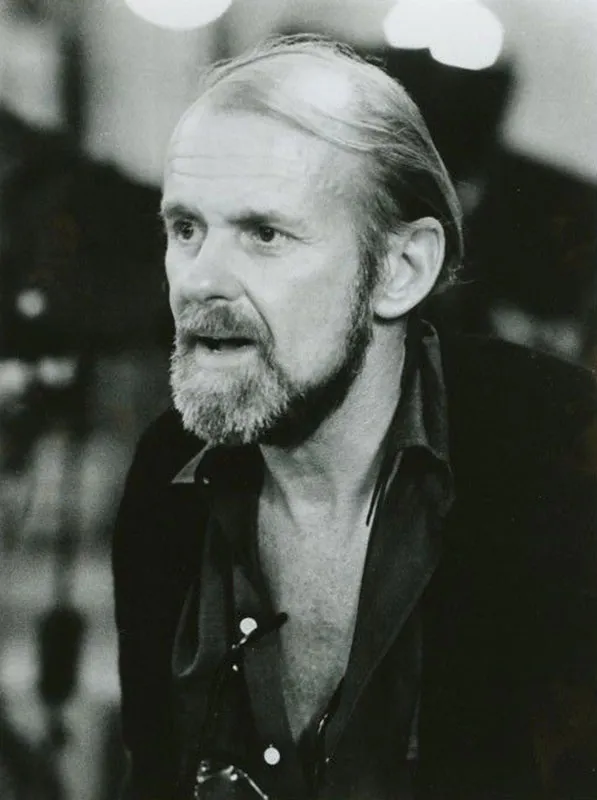
Robert Louis “Bob” Fosse, born on June 23, 1927, in Chicago, Illinois, was a legendary American dancer, choreographer, director, and filmmaker. His innovative and distinctive style revolutionized Broadway musicals and the entertainment industry at large. Fosse’s career was marked by both immense success and personal turmoil, as his relentless ambition and passion for his work often clashed with his personal life. His influence on dance, theater, and film remains profound, making him one of the most iconic figures in the history of American entertainment.
Early Life and Dance Beginnings
Bob Fosse was born into a family that nurtured his love for performance from a young age. The youngest of six children, he was introduced to dance early on, which quickly became his passion. By the age of 13, Fosse was already performing in vaudeville shows around Chicago, honing his skills as a dancer and entertainer. His early exposure to the world of dance and theater set the stage for what would become an extraordinary career.
Fosse’s formative years were marked by rigorous training and performance in various dance styles, including tap, jazz, and ballet. However, it was his exposure to the more risqué elements of vaudeville and burlesque that profoundly influenced his later work. These early experiences helped shape Fosse’s unique style, characterized by its sensuality, precision, and use of provocative movements. His signature style often incorporated turned-in knees, rolled shoulders, and the use of hats and gloves, which became trademarks of his choreography.
Broadway Breakthrough and Choreographic Innovation
Bob Fosse made his Broadway debut as a dancer in the 1950 musical Dance Me a Song, but it was his work as a choreographer that truly set him apart. In 1954, Fosse choreographed The Pajama Game, which was his first major success and earned him widespread acclaim. The show’s innovative choreography, particularly the iconic “Steam Heat” number, showcased Fosse’s ability to blend athleticism with sensuality, creating a new and dynamic form of musical theater dance.
Fosse continued to build on this success with shows like Damn Yankees (1955), where he choreographed the famous “Whatever Lola Wants” number, and New Girl in Town (1957). His choreography was groundbreaking, combining traditional Broadway dance with elements of jazz, burlesque, and modern dance. Fosse’s work was known for its meticulous precision, stylized movements, and a focus on the darker, more complex aspects of human nature.
His influence on the Broadway stage reached new heights with the 1966 musical Sweet Charity, which he directed and choreographed. The show, starring Gwen Verdon (who would become Fosse’s third wife), was a critical and commercial success, further cementing Fosse’s reputation as one of the most innovative choreographers of his time. The musical was later adapted into a film in 1969, marking Fosse’s debut as a film director.
Transition to Film: The Fosse Touch
Bob Fosse’s transition from stage to screen was seamless, as he brought his unique choreographic style and directorial vision to Hollywood. His first film, Sweet Charity (1969), though not a box office success, showcased Fosse’s ability to translate his stage work into the cinematic medium. The film featured some of Fosse’s most memorable choreography, including the famous “Rich Man’s Frug” sequence, which highlighted his signature style of sharp, isolated movements and stylized sensuality.
Fosse’s breakthrough in film came with Cabaret (1972), a musical set in 1930s Berlin during the rise of Nazism. The film, starring Liza Minnelli, was a critical and commercial success, earning Fosse an Academy Award for Best Director. Cabaret was notable for its dark, expressionistic style and its unflinching portrayal of the decadence and despair of the era. Fosse’s innovative use of the camera, along with his distinctive choreography, made Cabaret a landmark in the history of musical films.
Following the success of Cabaret, Fosse directed Lenny (1974), a biographical drama about the controversial comedian Lenny Bruce, played by Dustin Hoffman. The film’s gritty, documentary-style approach showcased Fosse’s versatility as a director and his willingness to tackle complex, often controversial subjects. Lenny was a critical success and further demonstrated Fosse’s ability to push the boundaries of traditional filmmaking.
All That Jazz: A Cinematic Masterpiece
In 1979, Bob Fosse released what is perhaps his most personal and acclaimed film, All That Jazz. The film, which is a semi-autobiographical account of Fosse’s own life, stars Roy Scheider as Joe Gideon, a driven, workaholic director and choreographer who grapples with the pressures of his career and personal life. All That Jazz is a vivid, often surreal exploration of life, death, and the nature of artistic obsession.
The film was both a critical and commercial success, winning the Palme d’Or at the Cannes Film Festival and earning several Academy Award nominations. All That Jazz is widely regarded as one of the greatest films about the entertainment industry, offering a raw and unflinching look at the toll that ambition and perfectionism can take on an artist. The film’s choreography, musical numbers, and innovative editing further solidified Fosse’s reputation as a visionary filmmaker.
All That Jazz also serves as a meditation on Fosse’s own life, reflecting his struggles with addiction, relationships, and his relentless drive for success. The film’s depiction of the protagonist’s descent into self-destruction is both poignant and harrowing, offering a glimpse into the darker side of the entertainment industry.
Personal Life and Struggles
While Bob Fosse’s professional life was marked by tremendous success, his personal life was fraught with difficulties. He was married three times, first to dancer Mary Ann Niles, then to Joan McCracken, and finally to Gwen Verdon, with whom he had a daughter, Nicole Fosse. Despite his professional achievements, Fosse’s personal relationships were often turbulent, marred by infidelity, addiction, and his obsessive dedication to his work.
Fosse’s relationship with Gwen Verdon was particularly complex. The two were not only married but also frequent collaborators, with Verdon starring in many of Fosse’s most iconic shows. Despite their separation, they maintained a close professional relationship, and Verdon continued to be a significant influence on Fosse’s work until his death. Their relationship was a testament to the deep, albeit complicated, bond they shared, both personally and professionally.
Fosse’s struggles with addiction, particularly to drugs and alcohol, were well-documented. These issues, combined with his relentless work ethic, took a significant toll on his health. Despite these challenges, Fosse continued to work at an intense pace, driven by an insatiable desire to create and perfect his art.
Legacy and Influence
Bob Fosse’s influence on the world of dance, theater, and film is immeasurable. His distinctive style, characterized by its precision, sensuality, and stylized movements, has left an indelible mark on Broadway and Hollywood. Fosse’s work continues to inspire generations of dancers, choreographers, and filmmakers, and his legacy is evident in the countless productions and films that have drawn inspiration from his unique approach to dance and storytelling.
Fosse’s contributions to musical theater have been particularly influential. His choreography for shows like Chicago (1975), Pippin (1972), and Dancin’ (1978) remains iconic, and his work continues to be performed and celebrated around the world. The revival of Chicago on Broadway, which began in 1996, has become one of the longest-running shows in Broadway history, a testament to the enduring appeal of Fosse’s work.
In addition to his work as a choreographer and director, Fosse’s impact on film is significant. His use of cinematic techniques, such as quick cuts, jump cuts, and innovative camera angles, has influenced generations of filmmakers. Films like Cabaret and All That Jazz are considered masterpieces of the musical genre, and their influence can be seen in countless subsequent films and stage productions.
Final Years and Death
Bob Fosse’s relentless work ethic and personal struggles eventually caught up with him. On September 23, 1987, Fosse died of a heart attack at the age of 60 in Washington, D.C. His death marked the end of an era in American entertainment, but his influence and legacy continue to live on.
Fosse’s life and work have been the subject of numerous books, documentaries, and biopics, including the acclaimed FX miniseries Fosse/Verdon (2019), which explored his life and complex relationship with Gwen Verdon. The series brought renewed attention to Fosse’s work and introduced a new generation to his extraordinary contributions to the world of dance and theater.
Conclusion
Bob Fosse was a visionary artist whose innovative style and relentless pursuit of perfection revolutionized the worlds of dance, theater, and film. His work continues to inspire and influence artists across multiple disciplines, and his legacy is one of creativity, passion, and dedication to the art of performance.
Fosse’s life was marked by both triumph and tragedy, and his story serves as a powerful reminder of the complexities and challenges that often accompany artistic genius. As we reflect on Bob Fosse’s life and career, it is clear that his contributions to the world of entertainment are timeless, and his influence will continue to be felt for generations to come.


