
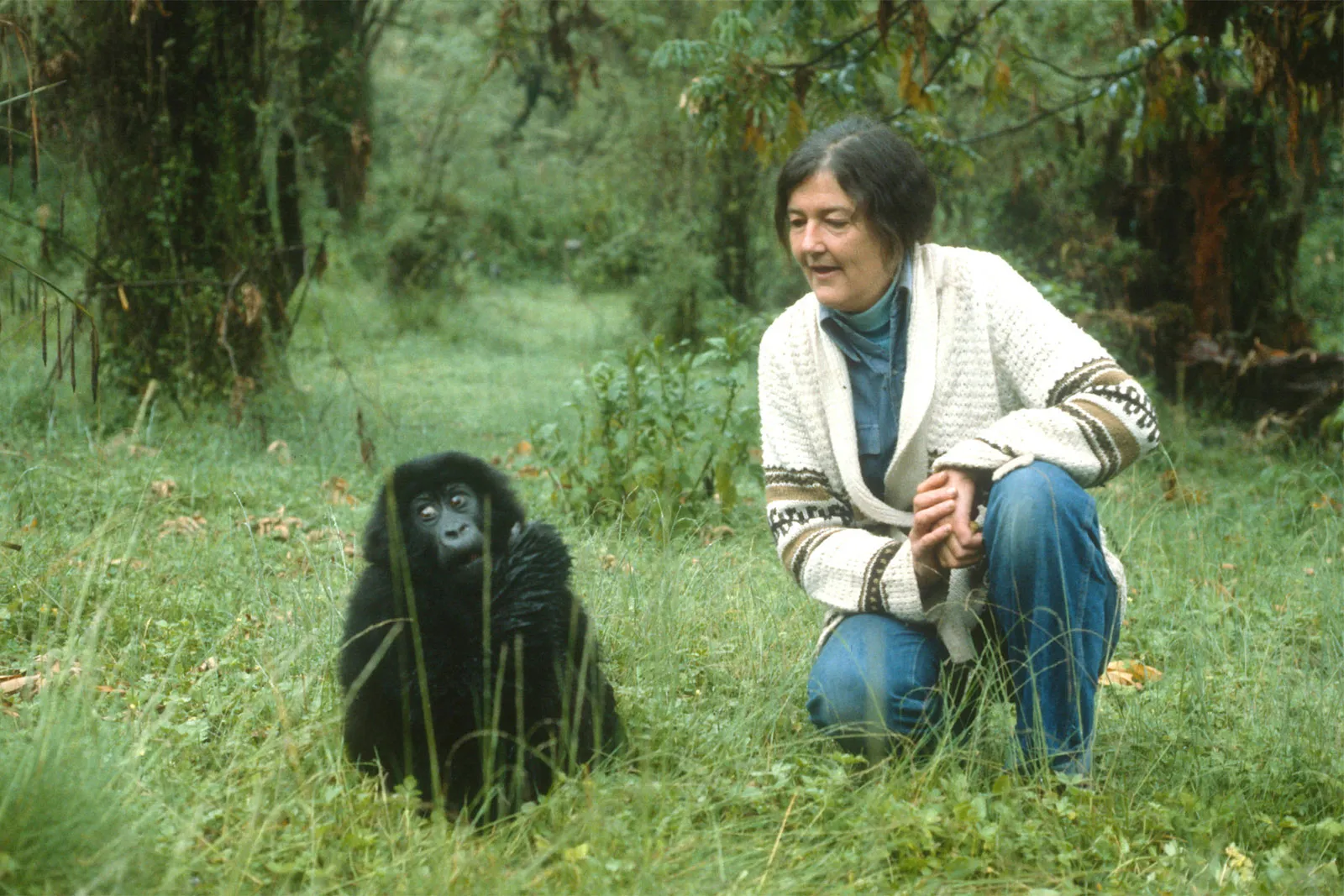
Dian Fossey, born on January 16, 1932, in San Francisco, California, is a name synonymous with wildlife conservation, particularly the study and preservation of mountain gorillas in Africa. Her life’s work, tragically cut short in 1986, left an indelible mark on the world of zoology and animal conservation. This article delves into the life of Dian Fossey, exploring her age, the rise to fame, and the pivotal highlights that defined her career and legacy.
Early Life and Education
Dian Fossey’s early years were marked by challenges that shaped her resilience and determination. Born to Kitty and George Fossey, her parents’ marriage was troubled, leading to their separation when Dian was just six years old. Her mother remarried Richard Price, a successful contractor, but Dian’s relationship with her stepfather was distant and strained. This early family dynamic influenced her later decisions and her pursuit of independence.
Despite her stepfather’s expectations that she would follow a more conventional path aligned with his business interests, Dian had different aspirations. She pursued veterinary studies at the University of California, a choice that set her on a path toward her life’s calling. However, her journey to becoming a celebrated primatologist was not straightforward. She eventually transferred to San José State College, where she graduated in 1954 with a degree in occupational therapy.
The Turning Point: Africa and Gorillas
The defining moment in Fossey’s life came in 1963 when she embarked on a self-funded trip to Africa. This journey, sparked by her reading of George Schaller’s work on gorillas, ignited a passion that would drive her for the rest of her life. During her travels, she met the renowned paleoanthropologist Louis Leakey, who recognized her potential and encouraged her to study the mountain gorillas of the Congo and Rwanda.
In 1966, after returning to the United States and spending some time in various roles, Dian was once again drawn back to Africa. Leakey’s support allowed her to start a long-term study of gorillas, which she initiated in 1967 by founding the Karisoke Research Center in the Virunga Mountains of Rwanda. Here, Fossey immersed herself in the study of these magnificent creatures, gaining their trust and documenting their behaviors with unparalleled dedication.
Rise to Fame and the Battle for Conservation
Fossey’s work quickly gained international attention, particularly after National Geographic sent photographer Bob Campbell to document her efforts in 1970. The images and stories that emerged captivated the world, turning Dian Fossey into a global figure in wildlife conservation. One photograph, in particular, of a gorilla named Digit gently touching her hand, became iconic, symbolizing the deep bond she had formed with the animals she sought to protect.
However, fame brought with it new challenges. Fossey became increasingly vocal in her fight against poaching, which was decimating gorilla populations. Her aggressive tactics, which included destroying poachers’ traps and exposing the corruption of local authorities, made her many enemies. Despite this, she remained undeterred, fully aware of the dangers she faced but resolute in her mission.
The Tragic End
Dian Fossey’s life ended in tragedy on December 26, 1986, when she was brutally murdered in her cabin at the Karisoke Research Center. Her death, caused by a machete blow, remains shrouded in mystery, with many believing it was orchestrated by those who saw her as a threat to their interests—whether poachers or those profiting from the growing tourism industry in Rwanda. Despite investigations, the true perpetrators were never conclusively identified, and the case remains unsolved to this day.
Fossey’s legacy, however, lives on. Her work not only brought the plight of mountain gorillas to global attention but also inspired generations of conservationists. The Dian Fossey Gorilla Fund International was established to continue her work, ensuring that the gorillas she dedicated her life to protecting would not vanish from the Earth.
Legacy and Impact
Dian Fossey’s story did not end with her death. In 1988, the film Gorillas in the Mist, starring Sigourney Weaver as Fossey, brought her life and work to an even wider audience. The movie, based on Fossey’s own book of the same name, portrayed her relentless dedication and the dangers she faced, further cementing her status as a conservation icon.
Her work has inspired numerous books, including Gorillas Dreams: The Legacy of Dian Fossey by Georgiane Nienaber and No One Loved Gorillas More by Camilla de la Bedovore. These works explore not only Fossey’s contributions to science and conservation but also the complexities of her personality and the controversies that surrounded her.
The Historical Context of Conservation
To fully appreciate Dian Fossey’s impact, it is essential to understand the historical context in which she operated. The mid-20th century was a time of significant change in the field of wildlife conservation. The post-World War II era saw a growing awareness of the environmental damage caused by human activities, leading to the rise of modern conservation movements.
In Africa, this period was marked by rapid changes in land use, with increasing pressure on wildlife habitats due to agriculture, logging, and the expansion of human settlements. Poaching, driven by both local needs and international demand for animal products, was rampant. In this context, Fossey’s work was groundbreaking. She was not only studying gorillas but actively fighting to protect them from extinction, often putting her life on the line in the process.
Dian Fossey’s Approach to Conservation
Fossey’s approach to conservation was radical for its time. Unlike many conservationists who worked within the existing systems and often cooperated with local authorities, Fossey took a more confrontational stance. She believed that the only way to protect the gorillas was to take direct action against those who threatened them, whether they were poachers or corrupt officials.
This approach made her a controversial figure. While she was hailed as a hero by many in the international conservation community, she was also criticized for her methods, which some saw as heavy-handed and even counterproductive. However, there is no denying that her efforts were effective in bringing global attention to the plight of the mountain gorillas and in establishing protected areas that continue to safeguard these animals today.
The Continued Relevance of Fossey’s Work
Today, Dian Fossey’s work remains as relevant as ever. The mountain gorilla population, once on the brink of extinction, has shown signs of recovery, thanks in large part to the efforts of conservationists inspired by Fossey. However, these animals are still endangered, and the threats they face—habitat loss, poaching, and disease—are as pressing as ever.
Fossey’s legacy also raises important questions about the ethics of conservation. Her life and work highlight the tensions between human interests and wildlife preservation, the challenges of working in politically unstable regions, and the personal sacrifices that often come with a commitment to protecting the natural world.
Conclusion: The Enduring Legacy of Dian Fossey
Dian Fossey’s life is a testament to the power of passion and determination in the face of overwhelming odds. Her work with mountain gorillas not only advanced scientific understanding of these magnificent creatures but also set a new standard for wildlife conservation. Her legacy is a reminder of the importance of protecting our planet’s most vulnerable species and the lengths to which one must go to ensure their survival.
As we continue to grapple with the environmental challenges of the 21st century, Fossey’s story serves as both an inspiration and a cautionary tale. Her dedication to the gorillas of Africa, despite the personal cost, is a powerful example of what can be achieved when one person decides to make a difference. Yet, her tragic end also underscores the dangers that come with standing up against powerful forces that profit from the exploitation of our natural world.
Dian Fossey’s name will forever be associated with the mountain gorillas she loved and protected. Her work laid the foundation for ongoing conservation efforts and inspired countless individuals to join the fight to save endangered species. Her story is one of courage, conviction, and an unyielding commitment to a cause greater than oneself—a legacy that continues to influence and inspire to this day.


