
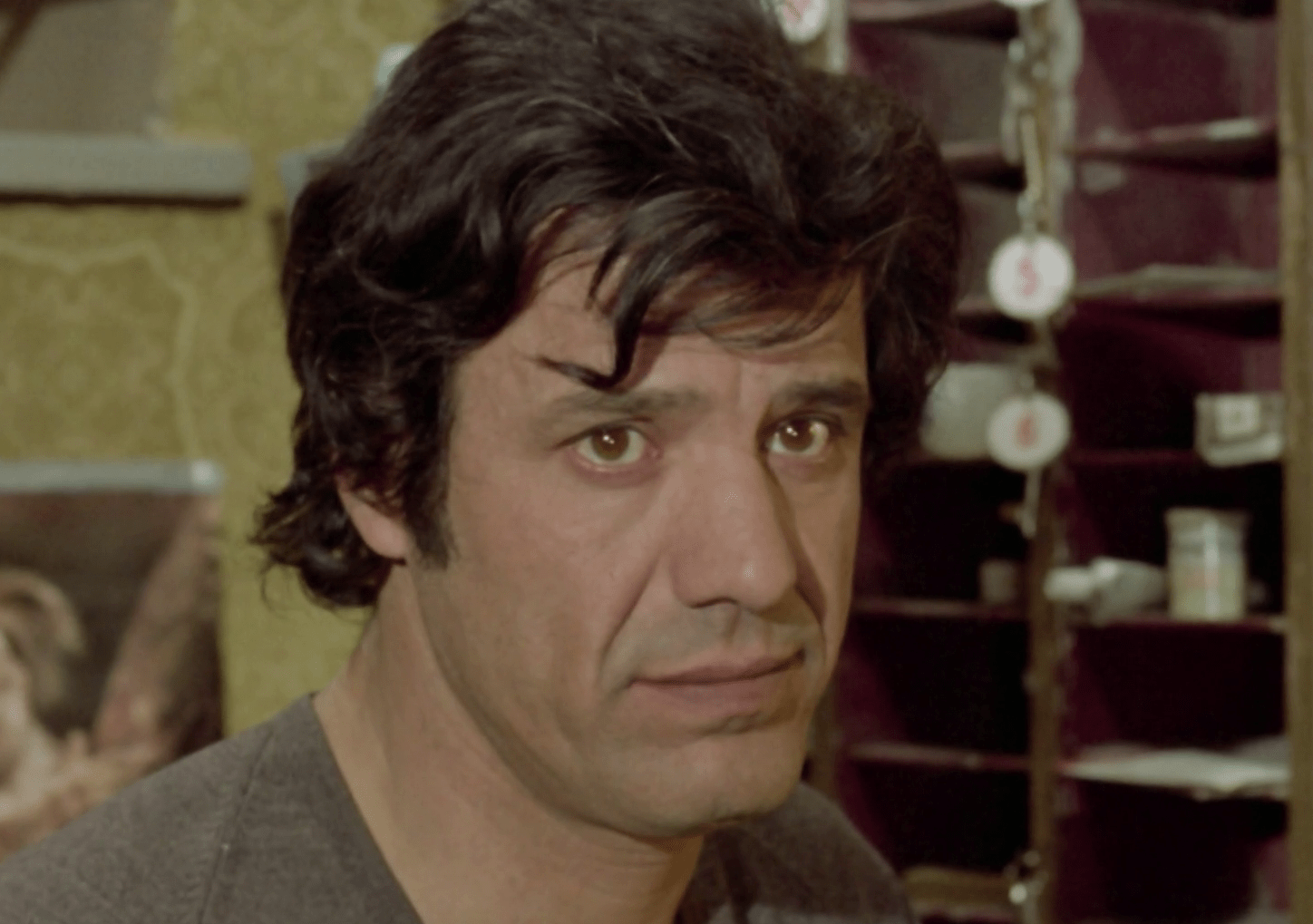
Franco Franchi, born Francesco Benenato on September 18, 1928, in Palermo, Italy, was one of the most beloved and influential figures in Italian comedy. Best known as one half of the iconic comedy duo “Franco and Ciccio” alongside Ciccio Ingrassia, Franchi’s career spanned decades and left an indelible mark on the Italian entertainment industry. His unique brand of humor, characterized by slapstick, physical comedy, and an endearing everyman persona, endeared him to audiences across generations.
Early Life and the Path to Comedy
Franco Franchi’s early life was far from glamorous. Growing up in a modest family in Palermo, his childhood was marked by economic hardships. Despite these challenges, Franchi discovered his passion for performing at a young age. The streets of Palermo became his first stage, where he honed his craft as an entertainer. Unlike many actors who follow a traditional path through drama schools and formal training, Franchi’s education in comedy came directly from the people—his audience was anyone who would stop to watch his impromptu performances.
The rough-and-tumble environment of street performance in Sicily provided Franchi with a practical education in what makes people laugh. His humor was deeply rooted in the everyday experiences of the common people, and his ability to connect with audiences was a skill he developed through countless performances on the streets, in public squares, and later in small theaters.
The Birth of a Legendary Comedy Duo
Franco Franchi’s life changed forever when he met Ciccio Ingrassia, another aspiring comedian from Palermo. Ingrassia, who was slightly more established at the time, recognized Franchi’s raw talent and invited him to join his theater company. The chemistry between the two was immediate and undeniable. Physically, they were a perfect contrast—Franchi was short and stocky, while Ingrassia was tall and lanky. This visual disparity became a key element of their comedy, with their contrasting physiques often playing into the slapstick routines that would define their act.
The duo’s big break came in 1960 when they were discovered by the legendary Italian singer and actor Domenico Modugno. Modugno, who was already a national star, recognized the potential of Franco and Ciccio and helped them make their film debut in “Appuntamento ad Ischia.” The film was a success, and it launched Franco and Ciccio into the national spotlight.
Rise to Stardom: The Franco and Ciccio Phenomenon
Throughout the 1960s and 1970s, Franco and Ciccio became household names in Italy. They were prolific, churning out a staggering number of films each year. In 1964 alone, Franchi appeared in 16 films—a testament to their immense popularity and the insatiable demand for their brand of comedy.
Their films often parodied popular movies of the time, offering a comedic twist on serious or well-known stories. Titles like “I due vigili,” “I brutti di notte,” and “Ultimo tango a Zagarolo” exemplified their ability to take contemporary cultural phenomena and reframe them through their unique comedic lens. Despite the often low budgets and quickly produced scripts, Franco and Ciccio’s improvisational skills and natural comedic timing made these films wildly popular.
Franco Franchi’s gift for physical comedy was particularly noteworthy. His ability to contort his face, perform exaggerated pratfalls, and create humor through movement rather than words set him apart as a master of slapstick. This style of comedy, reminiscent of the silent film era, resonated with audiences who appreciated the simplicity and universality of physical humor.
Critical Acclaim and Diversification
Despite their success, Franco and Ciccio were often dismissed by critics who considered their work lowbrow and formulaic. However, their talents did not go unnoticed by everyone. The acclaimed filmmaker Pier Paolo Pasolini saw in them something deeper and cast the duo in his 1968 film “Capriccio all’italiana,” in the segment titled “Che cosa sono le nuvole?” This collaboration marked a turning point in their careers, as it demonstrated their ability to transcend the comedic roles they were known for and take on more nuanced characters.
This newfound recognition by the artistic community led to other prestigious roles. Franco and Ciccio were cast as the Cat and the Fox in Luigi Comencini’s television adaptation of “Pinocchio,” a role that allowed them to showcase their acting abilities beyond the confines of slapstick comedy. They also appeared in the Taviani brothers’ film “Kaos” in the segment “La giara,” further solidifying their status as versatile actors capable of handling a wide range of material.
The Role of Television in Franco’s Career
While Franco Franchi’s career was primarily built in film, television played a crucial role in maintaining his popularity with the Italian public. Television brought Franco’s distinctive facial expressions and physical comedy to a broader audience, making him a staple of Italian households.
Franco and Ciccio appeared on numerous popular television shows throughout the 1960s and 1970s, including “Canzonissima,” “Partitissima,” and “Ieri e oggi.” These appearances kept their brand of comedy in the public eye and introduced them to a new generation of fans. The duo’s work on television also allowed them to experiment with different formats, from variety shows to comedic sketches, which kept their act fresh and relevant even as the Italian entertainment industry evolved.
Challenges and Personal Struggles
Despite their immense popularity, Franco and Ciccio’s careers were not without challenges. The intense work schedule, which often involved filming multiple movies simultaneously, took a toll on both their personal lives and their professional relationship. The duo occasionally split up to pursue solo projects, though they always found their way back to each other, recognizing that their success was largely built on their partnership.
Franco Franchi also faced personal struggles, including health issues. The grueling demands of their work eventually began to wear on him, leading to a decline in his physical health. In the early 1990s, during the filming of a television show, Franchi was hospitalized, and his health continued to deteriorate over the following years.
Legacy and Final Years
Franco Franchi’s final years were marked by a mixture of nostalgia and renewed appreciation for his contributions to Italian comedy. As the comedic landscape in Italy changed, with new generations of comedians emerging, Franchi and Ciccio were often looked back on as trailblazers who had paved the way for others. Their style of comedy, though often dismissed as simple or unsophisticated during their peak, was increasingly recognized for its artistry and the joy it brought to millions.
Franco Franchi passed away on December 9, 1992, in Rome, leaving behind a legacy that continues to influence Italian comedy. His death marked the end of an era in Italian entertainment, but his work remains a vital part of Italy’s cultural history. The films of Franco and Ciccio are still enjoyed by audiences today, and their influence can be seen in the work of contemporary comedians who continue to draw inspiration from their slapstick humor and improvisational brilliance.
The Cultural and Historical Impact
To fully appreciate Franco Franchi’s impact, it’s important to consider the cultural and historical context in which he worked. Italy in the post-war years was a country in the midst of reconstruction, and cinema played a critical role in shaping the national identity. The Italian film industry of the 1950s and 1960s produced some of the most iconic films in cinema history, yet it was also a time when popular entertainment, particularly comedy, provided an essential outlet for a population eager to move beyond the hardships of war.
Franco and Ciccio’s films, with their broad appeal and comedic escapism, offered Italian audiences a much-needed respite from the struggles of everyday life. Their humor, rooted in the traditions of Italian street theater and commedia dell’arte, connected deeply with audiences across social classes. While their films were not always critically acclaimed, they were undeniably popular, reflecting the tastes and desires of the Italian public.
Moreover, Franco and Ciccio’s success highlighted the democratizing power of cinema and television. They were able to reach millions of people, from rural villagers to urban sophisticates, with humor that was both accessible and universal. Their work demonstrated that comedy could be both a commercial success and a means of bringing people together, transcending the cultural and economic divisions of the time.
Conclusion
Franco Franchi’s life and career are a testament to the enduring power of comedy and the importance of entertainment in shaping cultural identity. From the streets of Palermo to the heights of Italian cinema and television, Franchi’s journey was one of perseverance, creativity, and an unwavering commitment to making people laugh. His legacy, preserved in the countless films and television shows he created with Ciccio Ingrassia, continues to inspire and entertain new generations of fans.
Franco Franchi was more than just a comedian; he was a cultural icon who used humor to bridge the gap between different segments of society. His ability to connect with audiences through his physical comedy and improvisational skills ensured that his work would endure long after his death. Today, he is remembered not only for the laughter he brought to millions but also for his role in shaping the landscape of Italian comedy and popular culture.


