
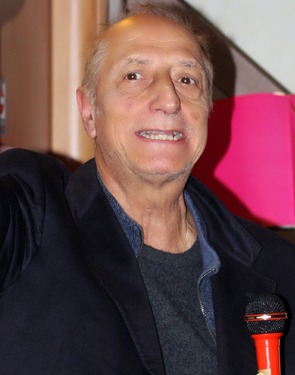
Pippo Franco, born Francesco Pippo on September 2, 1940, in Rome, Italy, is a celebrated figure in the Italian entertainment industry. Known for his versatility as an actor, comedian, singer, and television host, Pippo Franco’s career spans over six decades, making him a household name in Italy. This article delves into the life, career, and legacy of Pippo Franco, exploring his journey from a young actor in Rome to a prominent figure in Italian popular culture.
Early Life and Beginnings in Cinema
Pippo Franco was born into a modest family in Rome. His father, Felice, hailed from Villanova del Battista, while his mother, Wanda, was from Rome. Growing up in the vibrant cultural environment of Rome, Franco was drawn to the arts from an early age. His entry into the world of entertainment came at the age of 20 when he made his film debut in the 1960 movie “Appuntamento a Ischia,” directed by Mario Mattoli. The film, a “musicarello” (a musical film genre popular in Italy), featured Franco as part of a musical group called “I Pinguini,” alongside Mina, one of Italy’s most iconic singers. The group performed several popular songs, including “Una zebra a pois” and “Il cielo in una stanza,” marking Franco’s first steps into the entertainment world.
Rise to Fame: The 1960s and 1970s
Throughout the 1960s, Pippo Franco continued to build his career with appearances in various Italian films. He starred in “Notti nude” (1963) and “Chimera” (1968), among others. His early roles were mostly in comedies, a genre that would define much of his career. His performances were noted for their comedic timing and his ability to connect with audiences, qualities that would later make him a successful television personality.
One of the pivotal moments in Franco’s career came in the late 1960s when he began working with directors like Luigi Magni and Dino Risi. In “Nell’anno del Signore” (1969), directed by Magni, Franco delivered a performance that showcased his range as an actor, balancing humor with a more serious narrative. This period also saw him working in films such as “Il giovane normale” (1969) by Risi, further establishing his reputation in the Italian film industry.
Franco’s collaboration with Mariano Laurenti in the early 1970s was another significant chapter in his career. He starred in several of Laurenti’s films, including “Zingara” (1969) and “Quel gran pezzo dell’Ubalda tutta nuda e tutta calda” (1972), which became cult classics in Italian cinema. These films were part of the “commedia all’italiana” genre, a type of comedy that mixed humor with social commentary, and they helped solidify Franco’s status as a leading comic actor in Italy.
Television Breakthrough and the Bagaglino Troupe
While Pippo Franco had established himself as a film actor, his transition to television in the 1970s marked the beginning of a new phase in his career. He made his television debut with the program “Riuscirà il cav. Papà Ubu?” under the direction of Giuseppe Recchia and Vito Molinari. This was just the start of a long and successful television career.
Franco’s work with the Bagaglino troupe, a famous Italian cabaret and theater company, was particularly influential. Under the guidance of directors Pier Francesco Pingitore and Mario Castellacci, Franco became a central figure in the troupe, which specialized in satirical comedy. The Bagaglino’s performances, which often parodied historical events and figures, were hugely popular in Italy, and Franco’s roles in these productions were key to their success.
In films like “Remo e Romolo – Storia di due figli di una lupa” (1976) and “Nerone” (1977), Franco played leading roles that demonstrated his comedic talent and his ability to engage with historical satire. His collaboration with Pingitore continued into the 1980s, with films such as “Tutti a squola” (1979) and “Il casinista” (1980), further cementing his place in Italian comedy.
The 1980s: Music, Television, and Directing
The 1980s were a prolific decade for Pippo Franco, as he expanded his repertoire to include music and directing. In 1981, he directed his first film, “La gatta da pelare,” a comedy that he also starred in. This period also saw him release several music singles, including “Che fico!,” which became the theme song for the 1982 Sanremo Music Festival. His success in music was notable, with hits like “Chì Chì Chì Cò Cò Cò” becoming popular across Italy.
On television, Franco continued to be a major presence, hosting shows like “La sai l’ultima?” and “Il Paese delle meraviglie,” a cooking show he co-hosted with Melba Ruffo in 1998. His ability to engage with audiences, combined with his comedic talent, made him a favorite among Italian viewers.
Franco’s work in the 1980s also included more collaborations with Pier Francesco Pingitore, such as “Attenti a quei P2” (1982) and “Il tifoso, l’arbitro e il calciatore” (1982). These films, while comedic, often contained social commentary and satirical elements, reflecting the political and cultural landscape of Italy at the time.
The 1990s and 2000s: Continued Success and New Ventures
As the 1990s began, Pippo Franco remained a significant figure in Italian entertainment. He returned to cinema with “Gole ruggenti” (1992), directed by Pingitore, and continued to work in television with shows like “Ladri si nasce” and “Ladri si diventa,” both of which were TV movies directed by Pingitore.
In addition to his work in film and television, Franco explored new avenues as an author. In 2001, he published “Pensieri per vivere. Itinerario di evoluzione interiore,” a book that delved into personal development and spirituality. This was followed by “Non prenda niente tre volte al giorno” in 2002, a humorous collection of bizarre advertisements and linguistic blunders that he co-wrote with Professor Antonio Di Stefano.
During these years, Franco also became known for his work as a television host, particularly in shows centered around jokes and humor, such as “La sai l’ultima?” His ability to connect with the audience and his distinctive comedic style made him a beloved figure on Italian television.
Political Involvement and Later Years
Pippo Franco’s career took an interesting turn in the mid-2000s when he decided to enter the political arena. In 2006, he ran as a candidate for the Italian Senate under the Christian Democracy for the Autonomies party, part of the center-right coalition. Although he was not elected, this move highlighted his interest in public life and social issues.
Franco’s political aspirations continued in 2013 when he ran in the primaries for the Brothers of Italy party, aiming to become the mayor of Rome. Despite his efforts, he received only a small number of votes, but his involvement in politics demonstrated his willingness to engage with broader societal issues.
In the 2010s, Franco continued to work in entertainment, returning to the big screen in 2016 with a role in the comedy “Tiramisù,” directed by Fabio De Luigi. He also became active on social media, using platforms like Facebook and Twitter to connect with fans and share his thoughts on spirituality and other topics.
In 2021, Franco once again ventured into politics, this time running for the position of cultural assessor in the Rome municipal elections. He joined the civic list supporting Enrico Michetti, the center-right candidate for mayor. Although the election did not result in a win, Franco’s continued involvement in public life underscored his enduring influence and commitment to his community.
Legacy and Impact
Pippo Franco’s legacy in Italian entertainment is profound. Over the course of his career, he has worked across multiple media, including film, television, music, and literature. His contributions to the “commedia all’italiana” genre, his iconic roles with the Bagaglino troupe, and his success as a television host have made him a central figure in Italian popular culture.
Franco’s work is characterized by a unique blend of humor, satire, and social commentary. His ability to adapt to different forms of entertainment and his willingness to explore new creative avenues have kept him relevant for over six decades. Despite the changing landscape of Italian media, Franco has remained a beloved figure, known for his wit, charm, and versatility.
His forays into politics, while less successful, reflect his broader interests and his desire to engage with societal issues. Whether on screen, on stage, or in the public arena, Pippo Franco has consistently demonstrated a commitment to entertaining and enlightening his audience.
Conclusion
Pippo Franco’s life and career offer a fascinating glimpse into the evolution of Italian entertainment over the past sixty years. From his early days as a film actor in the 1960s to his role as a beloved television host and political figure, Franco has left an indelible mark on Italian culture. His work continues to resonate with audiences, making him a timeless figure in the world of comedy and entertainment.
As Franco continues to engage with new projects and ideas, his legacy as a pioneer of Italian humor and satire remains secure. His contributions to film, television, and public life are a testament to his talent, creativity, and enduring appeal. For anyone interested in the history of Italian entertainment, the life and career of Pippo Franco offer invaluable insights into the world of comedy, satire, and popular culture.


