
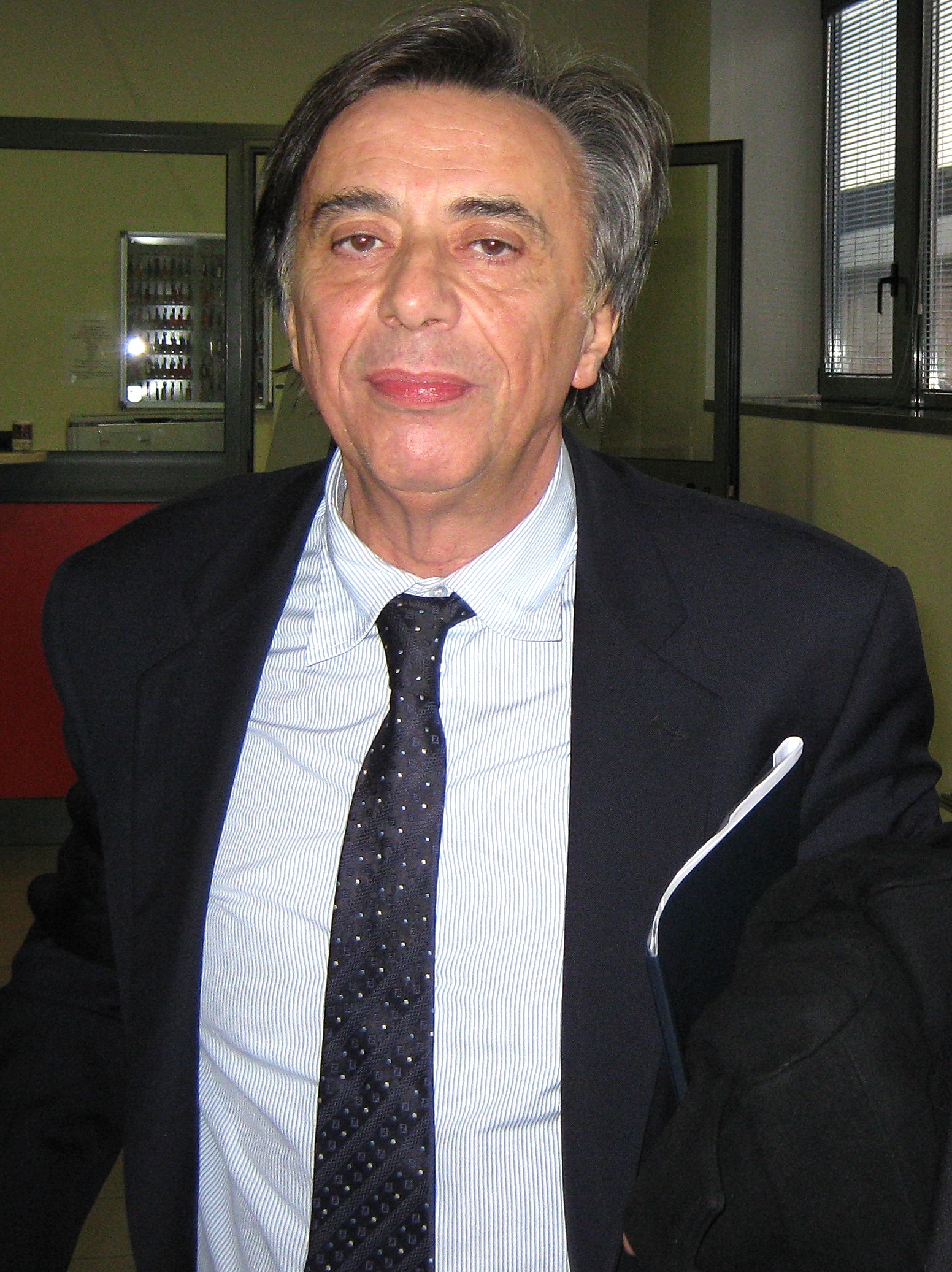
Carlo Freccero is a name that resonates with anyone familiar with Italian television. Born on August 5, 1947, in Savona, Italy, Freccero has made significant contributions to both public and private broadcasting in Italy. His career spans several decades, during which he has earned a reputation as a visionary, an intellectual, and occasionally, a controversial figure. This article delves into the life and career of Carlo Freccero, exploring his rise to fame, key moments, and the impact he has had on the media landscape.
Early Life and Education
Carlo Freccero’s early life was marked by a strong academic inclination. He pursued a degree in Philosophy at the University of Genoa, where he completed a thesis on the influential French philosopher Michel Foucault. This academic background provided Freccero with a foundation in critical thinking and communication, skills that would later become essential in his television career.
His philosophical studies also exposed him to a wide range of ideas and perspectives, allowing him to develop a deep understanding of cultural and media dynamics. This intellectual depth has been a hallmark of Freccero’s work throughout his career, influencing the types of content he has produced and the programming decisions he has made.
The Beginning of a Media Career: Fininvest and France
Freccero’s entry into the world of television came in the early 1980s when he joined Fininvest, the media empire founded by Silvio Berlusconi. At Fininvest, Freccero played a crucial role in shaping the programming of the newly established commercial channels, including Canale 5, Italia 1, and Rete 4. His work during this period was instrumental in defining the identity of these channels, which would later become part of Mediaset, Italy’s largest commercial broadcaster.
In 1984, Freccero’s career took an international turn when he was appointed as the Director of Programming for La Cinq, a French television channel owned by Berlusconi. His tenure at La Cinq, from 1986 to 1990, marked his first major foray into international media. Freccero’s experience in France allowed him to gain valuable insights into the European television market, which would later inform his work back in Italy.
Return to Italy: Leadership at Italia 1 and RAI
After his stint in France, Carlo Freccero returned to Italy, where he took on the role of Director of Italia 1 in 1991. His time at Italia 1 was characterized by innovative programming that pushed the boundaries of traditional Italian television. Freccero introduced a range of new shows, including “Scherzi a Parte,” “Pressing,” and “Mai Dire TV,” which became iconic in Italian pop culture.
However, his tenure at Italia 1 was short-lived. In 1992, Freccero was replaced, a decision that some attribute to political pressures rather than commercial considerations. Despite the abrupt end to his leadership at Italia 1, Freccero’s influence on the channel’s programming left a lasting legacy.
Freccero’s expertise was soon recognized by RAI, Italy’s public broadcaster, which brought him on board as a consultant for RAI 1. His knowledge of the French television market proved invaluable during this period, as he helped RAI navigate the challenges of an increasingly competitive media landscape.
Revolutionizing RAI 2
One of the most significant chapters in Carlo Freccero’s career began in 1996 when he was appointed Director of RAI 2. Freccero’s vision for RAI 2 was nothing short of revolutionary. He sought to transform the channel into a hub for young, progressive viewers by introducing provocative content and alternative multimedia programming.
Under his leadership, RAI 2 became a breeding ground for innovative television, giving rise to shows like “Satyricon,” “L’Ottavo Nano,” and others that featured comedians and satirists like Piero Chiambretti, Daniele Luttazzi, and the Guzzanti siblings, Corrado and Sabina. These programs challenged the status quo with their irreverent humor and social commentary, attracting a younger, more politically engaged audience.
Freccero’s approach to programming was not without controversy. His willingness to push boundaries often put him at odds with more conservative elements within RAI and the broader Italian society. However, his tenure at RAI 2 is widely regarded as one of the most dynamic and creative periods in the channel’s history.
Challenges and Controversies in the 2000s
The early 2000s brought significant changes to Italy’s political landscape, with the center-right coalition led by Silvio Berlusconi winning the general elections in 2001. This political shift had a profound impact on RAI and its programming. Many of the personalities and shows that Freccero had championed were considered too controversial or politically sensitive, leading to their removal from the airwaves.
In 2002, Freccero himself was removed from his position at RAI 2, and shortly thereafter, he was sidelined from any major responsibilities within the organization. Despite this setback, Freccero remained a significant figure in Italian media, continuing to contribute as a writer and commentator.
One of Freccero’s notable contributions during this period was his work on “Rockpolitik,” a show hosted by Adriano Celentano in 2005. Freccero served as a writer and consultant for the program, which was known for its sharp political commentary and critique of the Italian media landscape.
RaiSat and the Digital Transition
In the mid-2000s, Carlo Freccero took on a new challenge as the President of RaiSat, a satellite television network owned by RAI. This role allowed Freccero to explore the emerging digital landscape and experiment with new formats and technologies. His work at RaiSat further solidified his reputation as a forward-thinking media executive, unafraid to embrace the future of television.
In 2008, Freccero was appointed Director of Rai 4, a new digital channel aimed at younger audiences. Under his leadership, Rai 4 quickly gained a reputation for its edgy content and innovative programming. However, Freccero’s tenure at Rai 4 was not without controversy. In one notable incident, he faced criticism for a promotional stunt that many deemed provocative and in poor taste.
Political Involvement and Return to RAI 2
Carlo Freccero’s career took another turn in 2015 when he was appointed to the RAI Board of Directors, thanks to the support of the Five Star Movement (M5S), a populist political party in Italy. Freccero’s association with the M5S, particularly its more radical elements, marked a new phase in his career, one that was increasingly intertwined with politics.
In 2018, following the M5S’s strong performance in the general elections, Freccero was once again appointed Director of RAI 2. This second tenure at RAI 2 was markedly different from his first. While his earlier work had focused on satire and youth-oriented content, Freccero’s second stint as director was characterized by the introduction of programming with nationalist and conspiracy theory themes.
Shows like “Povera Patria” and “Popolo Sovrano” reflected Freccero’s willingness to engage with controversial and politically charged topics. These programs, while not always successful in terms of viewership, sparked significant debate and further solidified Freccero’s reputation as a polarizing figure in Italian media.
Freccero’s second term as Director of RAI 2 ended in November 2019, when he announced his decision to retire. His departure marked the end of an era for RAI 2, a channel that had been profoundly shaped by his vision and leadership.
Personal Life and Legacy
Despite his public persona, Carlo Freccero has managed to keep much of his personal life private. He is married to Daniela Strumia, and the couple has successfully maintained a low profile, staying away from social media and the public eye.
Freccero’s legacy in Italian television is significant. He is widely regarded as one of the most influential figures in the industry, known for his willingness to take risks and challenge conventional norms. His work has had a lasting impact on Italian media, particularly in the areas of satire, political commentary, and youth-oriented programming.
In recent years, Freccero has become associated with controversial positions, including his support for conspiracy theories related to the COVID-19 pandemic. In 2021, he publicly expressed support for the “Great Reset” theory, a controversial and widely debunked idea that suggests a global conspiracy to reshape the world economy in the wake of the pandemic.
Conclusion
Carlo Freccero is a complex and multifaceted figure in the world of Italian television. His career has been marked by innovation, controversy, and a relentless drive to push the boundaries of what television can be. From his early days at Fininvest to his transformative work at RAI 2, Freccero has left an indelible mark on the Italian media landscape.
While his later years have been characterized by political involvement and support for controversial ideas, there is no denying the impact he has had on Italian culture and media. Carlo Freccero’s story is one of a man who has consistently challenged the status quo, both in his professional life and in his personal beliefs. His legacy will continue to be debated and discussed for years to come.


