
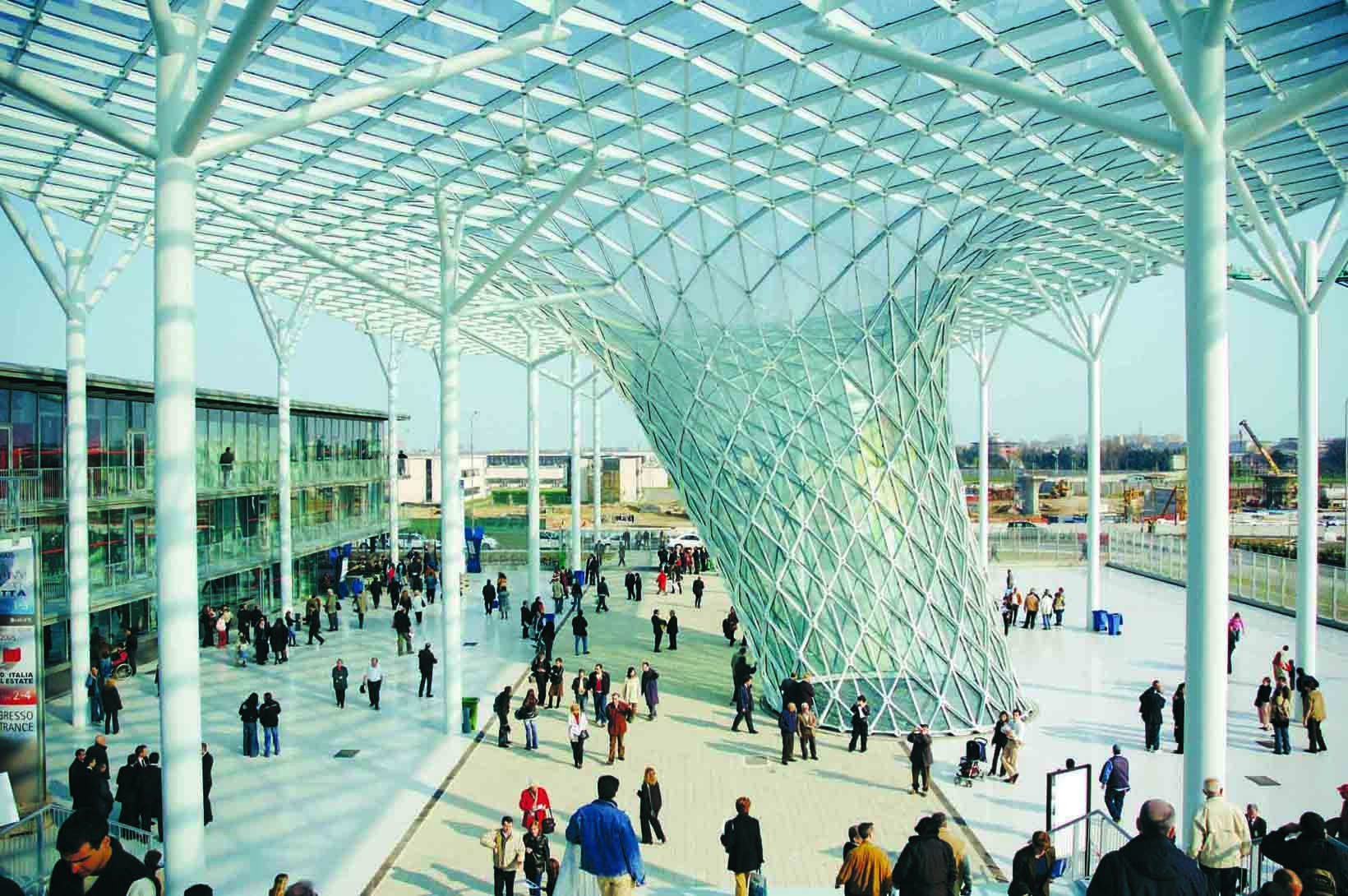
Massimiliano Fuksas, born on January 9, 1944, in Rome, Italy, is one of the most prominent architects on the international stage. Known for his innovative designs and his ability to blend modernity with tradition, Fuksas has made significant contributions to the world of architecture. His life is a fascinating journey through various cultural and artistic influences, culminating in a career that has seen him become a leader in contemporary architecture. This article explores the life of Massimiliano Fuksas, delving into his age, rise to fame, and the key highlights of his illustrious career.
Early Life and Background
Massimiliano Fuksas was born into a multicultural family; his father was a Lithuanian Jewish doctor, and his mother was an Italian Catholic with French and Austrian roots. This diverse cultural background played a crucial role in shaping Fuksas’ worldview and artistic sensibilities. After the premature death of his father, Fuksas moved to Graz, Austria, to live with his maternal grandmother. This period of his life exposed him to different cultural and architectural styles, which would later influence his work.
Returning to Rome in the late 1950s, Fuksas attended high school and was soon immersed in the vibrant cultural scene of the city. He had the opportunity to meet some of the most influential figures in Italian culture, including the poet and filmmaker Pier Paolo Pasolini, literary critic Alberto Asor Rosa, and poet Giorgio Caproni. These early encounters with leading intellectuals of the time helped to ignite Fuksas’ passion for the arts, particularly architecture.
The Path to Architecture
Fuksas’ decision to pursue architecture was influenced by his meeting with the famed Italian artist Giorgio De Chirico, who invited him to work in his studio in Rome’s Piazza di Spagna. This experience was pivotal, deepening Fuksas’ appreciation for art and architecture. He went on to study at the Faculty of Architecture at the University of Rome La Sapienza, a choice that would lay the foundation for his future career.
During his university years, Fuksas traveled extensively across Europe, gaining exposure to various architectural styles and movements. His travels included working in the prestigious studio of Danish architect Jørn Utzon, known for designing the Sydney Opera House. This period of exploration and learning was marked by his involvement in the 1968 student protests, which culminated in the Battle of Valle Giulia at the Faculty of Architecture. These experiences not only shaped his architectural philosophy but also ingrained in him a sense of social responsibility that would later manifest in his work.
Early Career and the Rise of Fame
Massimiliano Fuksas graduated from La Sapienza in 1969, with his thesis supervised by the renowned architect Ludovico Quaroni. However, even before completing his degree, Fuksas had already established his own architectural studio in Rome in 1967, named GRANMA, in partnership with Anna Maria Sacconi. This early start in his professional career allowed Fuksas to quickly gain recognition for his innovative approach to design.
The turning point in Fuksas’ career came with the design of a gymnasium for the municipality of Paliano, a small town in the Lazio region. The project, which featured a tilted and detached facade and an intricate balance of seemingly unstable structures, caught the attention of international architecture critics. It was published in the prestigious French magazine Architecture d’Aujourd’hui, propelling Fuksas into the international spotlight. This project is often cited as a prime example of postmodern architecture, challenging conventional perceptions and pushing the boundaries of architectural design.
Expanding Influence and International Recognition
Following the success of the Paliano gymnasium, Fuksas’ career took off on the international stage. In 1988, he ended his partnership with Sacconi and established his own practice in Paris. Over the next few years, Fuksas would expand his operations, opening studios in Vienna in 1993 and Frankfurt in 2002. These moves were strategic, allowing him to work on major projects across Europe and solidifying his reputation as a leading architect.
Throughout the 1990s, Fuksas became increasingly involved in urban planning and public architecture. His work during this period focused on addressing the challenges of large urban areas, emphasizing the need for sustainable and socially responsible design. This commitment to urban issues led to his appointment to urban planning commissions in Berlin and Salzburg, where he played a key role in shaping the future of these cities.
Fuksas’ work has been recognized with numerous international awards, including the Vitruvio Internacional a la Trayectoria in 1998, the Grand Prix d’Architecture in 1999, and the Honorary Fellowship of the American Institute of Architects in 2002. These accolades reflect his contributions to the field of architecture and his influence on contemporary design practices.
Architectural Style and Key Projects
Massimiliano Fuksas is known for his eclectic architectural style, which combines elements of modernism, postmodernism, and deconstructivism. His designs are characterized by their bold forms, innovative use of materials, and a deep understanding of the context in which they are placed. Fuksas’ architecture often challenges traditional notions of space and structure, creating buildings that are both functional and aesthetically striking.
One of Fuksas’ most notable projects is the New Rome-Eur Convention Center and Hotel, also known as La Nuvola (The Cloud). Completed in 2016, this project is a testament to Fuksas’ ability to create iconic structures that redefine urban landscapes. The convention center’s design features a cloud-like structure suspended within a glass and steel box, symbolizing transparency and fluidity. La Nuvola has become a landmark in Rome, showcasing Fuksas’ innovative approach to architecture.
Another significant project is the Shenzhen Bao’an International Airport Terminal 3 in China, completed in 2013. This project highlights Fuksas’ global reach and his ability to work on large-scale, complex developments. The terminal’s design is inspired by the manta ray, with a flowing, organic form that enhances the passenger experience while integrating cutting-edge sustainability features.
Fuksas has also made his mark in the fashion industry, designing flagship stores for brands like Armani in New York and Tokyo. These projects demonstrate his versatility as an architect, capable of creating spaces that reflect the brand’s identity while pushing the boundaries of retail design.
Later Years and Ongoing Impact
In the 2010s, Massimiliano Fuksas continued to expand his portfolio, taking on projects around the world. His work during this period reflects his ongoing commitment to innovation and sustainability. In 2010, Fuksas was parodied by Italian comedian Maurizio Crozza in the TV show Crozza Alive, where Crozza played an architect named “Massimiliano Fuffas.” The parody, while humorous, also highlighted Fuksas’ prominence in Italian culture.
Fuksas was awarded the Legion d’Honore in 2010, one of France’s highest honors, further cementing his status as a leading figure in the architectural world. His advocacy for the demolition of illegal buildings in Italy, including the notorious ZEN district in Palermo and the Corviale in Rome, has made him a vocal proponent of urban renewal and responsible development.
In 2011, Fuksas received the Ignazio Silone Prize for Culture, recognizing his contributions to the cultural and architectural landscape. By 2012, his Rome-based studio, Massimiliano and Doriana Fuksas Design, was among the top architectural firms in Italy, with a turnover of €8.4 million, ranking third after Antonio Citterio and Renzo Piano.
Today, Fuksas continues to operate studios in Rome, Paris, and Shenzhen, working on a diverse range of projects that span continents and cultural contexts. His work remains at the forefront of contemporary architecture, influencing both emerging architects and the broader discourse on design and urbanism.
SEO and Search Intent Keywords
For readers and researchers interested in Massimiliano Fuksas, several search intent keywords are essential to enhance the visibility of content related to him. These include:
- Massimiliano Fuksas Biography
- Italian Architects of the 20th Century
- Fuksas Architecture Projects
- New Rome-Eur Convention Center and Hotel
- Shenzhen Bao’an International Airport Terminal 3
- Massimiliano Fuksas Design Philosophy
- Fuksas Famous Buildings
- Modern Architecture in Italy
Using these keywords strategically throughout content related to Massimiliano Fuksas will help ensure that the material is indexed effectively by search engines like Google, reaching a broader audience interested in architecture, design, and urban development.
Conclusion
Massimiliano Fuksas stands as a monumental figure in the field of architecture, a creative force whose work transcends traditional boundaries and redefines what architecture can be. His life and career are a testament to the power of innovation, cultural exchange, and the relentless pursuit of excellence. Fuksas’ ability to blend diverse influences into cohesive, impactful designs has earned him a place among the most influential architects of his generation.
For those interested in the intersection of architecture, culture, and modernity, Massimiliano Fuksas offers a wealth of insights. His projects, from the New Rome-Eur Convention Center to the Shenzhen Bao’an International Airport, showcase a commitment to pushing the envelope of design while addressing the practical and social needs of the spaces he creates. As we look to the future of architecture, Fuksas’ work serves as both inspiration and a challenge to continue exploring the possibilities of the built environment.


