
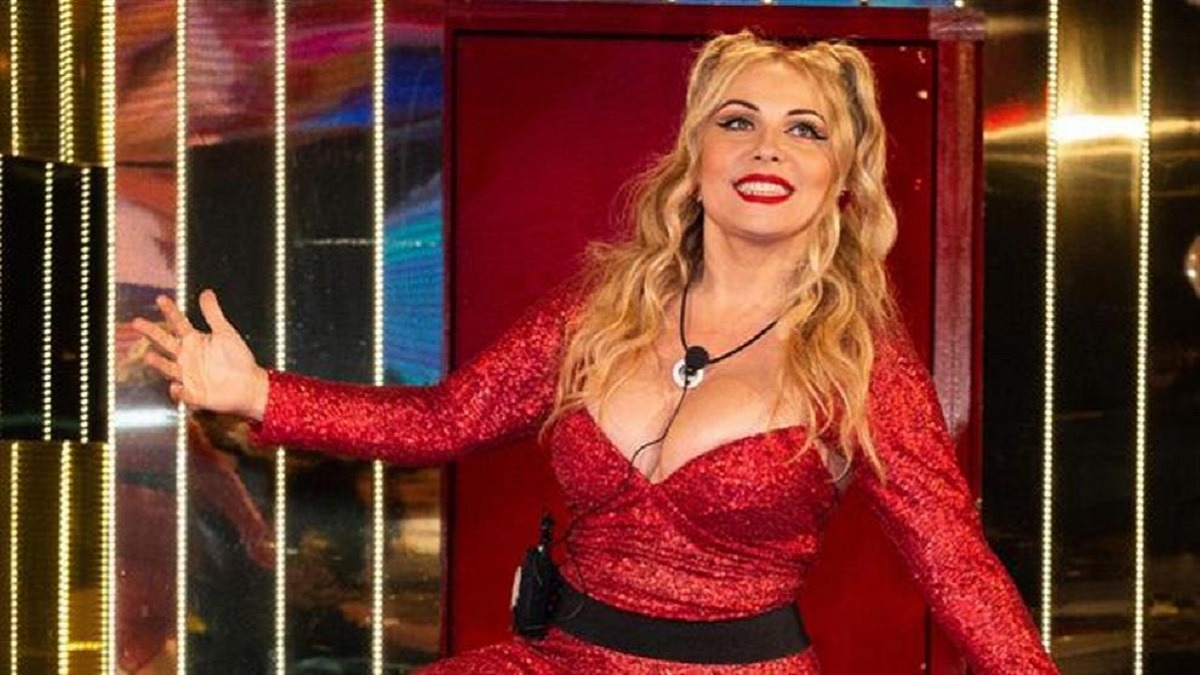
Lisa Fusco, born on November 9, 1978, in Naples, Italy, is a multifaceted television personality known for her roles as an actress, singer, and showgirl. Over the years, she has become a beloved figure in Italian entertainment, celebrated for her unique blend of humor, music, and charisma. Her journey from a local television debut to national fame is a testament to her talent and perseverance.
Early Life and Beginnings in Entertainment
Lisa Fusco’s early life in Naples was marked by her deep interest in the arts. After completing her studies at an art institute, she quickly transitioned into the entertainment industry. In 1999, at the age of 21, Fusco began her career performing at piano bars, showcasing her singing abilities, dancing to Latin American music, and bringing to life traditional Neapolitan characters. These performances laid the groundwork for her future in television, where she would later become known for her vivacious personality and comedic flair.
Rise to Fame: The Subrettina Era
At the young age of 22, Lisa Fusco made her television debut on Canale 9, a local station in the Campania region. She gained widespread recognition for her role as the “Subrettina” in the comedy show Telegaribaldi. This character, inspired by the revue theater of 1950s Naples, became a staple of the show and endeared Fusco to audiences. Her ability to evoke the charm and wit of this bygone era contributed significantly to her popularity.
During this period, Fusco also appeared in the film Aitanic by Nino D’Angelo, playing the role of a journalist. This further solidified her presence in the Italian entertainment scene. Additionally, she released a music album titled Cacao, featuring songs she performed on Telegaribaldi, showcasing her versatility as both a singer and a comedic actress.
Expanding Horizons: The 2000s
The early 2000s marked a period of expansion for Lisa Fusco’s career. In 2001, she was a guest on the popular Maurizio Costanzo Show and participated in various other television programs, such as Gente sull’orlo di una crisi di nervi on La7. The following year, she joined the cast of Pirati Show, hosted by Biagio Izzo, and later became part of Movida, a show led by Alessandro Siani.
Fusco’s career continued to grow as she participated in theater workshops and took on new roles in various television programs. In 2004, she co-hosted Etiriti-tti-tti with Lello Musella on Tele A, and reprised her Subrettina character on La7’s Settima dimensione, a comedy show hosted by Massimiliano Bruno and Sabrina Nobile. Her guest appearances on shows like Cronache marziane on Italia 1 further increased her visibility.
One of her notable achievements during this time was her involvement in the Tintoria Show on Rai3 in 2006, where she performed alongside other comedians under the direction of Taiyo Yamanouchi and later, Carolina Marconi and Belén Rodriguez. This show allowed Fusco to reach a wider audience, and her comedic talents were on full display.
Reality TV and Continued Success
In 2007, Lisa Fusco took a bold step by participating in the fifth season of L’isola dei famosi (The Celebrity Island), a reality show broadcast on Raidue. Although she was eliminated by fellow contestant Paul Belmondo, her stint on the show increased her fame and led to numerous guest appearances on popular Rai programs, including Quelli che il calcio, Insieme sul Due, La vita in diretta, and Mezzogiorno in famiglia.
Following her return from the reality show, Fusco continued to expand her repertoire. In 2008, she was selected as a correspondent for Pirati, a late-night program on Raidue hosted by Marco Cocci alongside Luca Telese. This role allowed Fusco to showcase her journalistic abilities and further solidify her place in the entertainment industry.
The 2010s: Diversification and Autobiography
As the 2010s dawned, Lisa Fusco diversified her career by venturing into different genres and formats. She appeared in the soap opera Un posto al sole d’estate on Raitre and participated in 101 modi di perdere un gameshow, hosted by Francesco Facchinetti. Although the latter show did not fare well in terms of viewership, Fusco’s participation highlighted her willingness to take risks and explore new avenues in her career.
In 2012, Fusco made her cinematic debut in Una donna per la vita, where she played the wife of Biagio Izzo’s character. This marked a significant milestone in her career, as it allowed her to transition from television to film. The following year, she published her autobiography Da Telegaribaldi all’Isola, in which she detailed her journey from her early days on local television to her experiences on L’isola dei famosi. This book provided fans with an intimate look into her life and career, further endearing her to the public.
Recent Years: Reality TV and Beyond
In 2015, Lisa Fusco became a frequent guest on Pomeriggio Cinque, hosted by Barbara D’Urso, and Grand Hotel Chiambretti. Her vibrant personality and ability to engage audiences made her a popular figure on these shows. Her career took another turn in 2018 when she participated in the third season of Grande Fratello VIP (Big Brother VIP), a reality show on Mediaset’s flagship channel. Competing alongside other celebrities like Giulia Salemi and Lory Del Santo, Fusco once again captured the attention of the Italian public.
Legacy and Impact on Italian Entertainment
Lisa Fusco’s career is a testament to her versatility and resilience. From her early days as a piano bar singer to her roles in television, film, and reality TV, Fusco has consistently reinvented herself and remained relevant in the ever-changing world of entertainment. Her ability to connect with audiences through humor, music, and storytelling has made her a beloved figure in Italian pop culture.
Her journey reflects the broader trends in Italian entertainment, where the lines between comedy, music, and television often blur, allowing performers like Fusco to explore multiple facets of their talents. Moreover, her work has contributed to the preservation and celebration of traditional Neapolitan culture, particularly through her portrayal of the Subrettina character.
As Lisa Fusco continues to evolve in her career, she remains a symbol of the vibrant and dynamic nature of Italian entertainment. Her story is one of passion, perseverance, and an unwavering commitment to her craft, making her a true icon in the world of Italian show business.


