
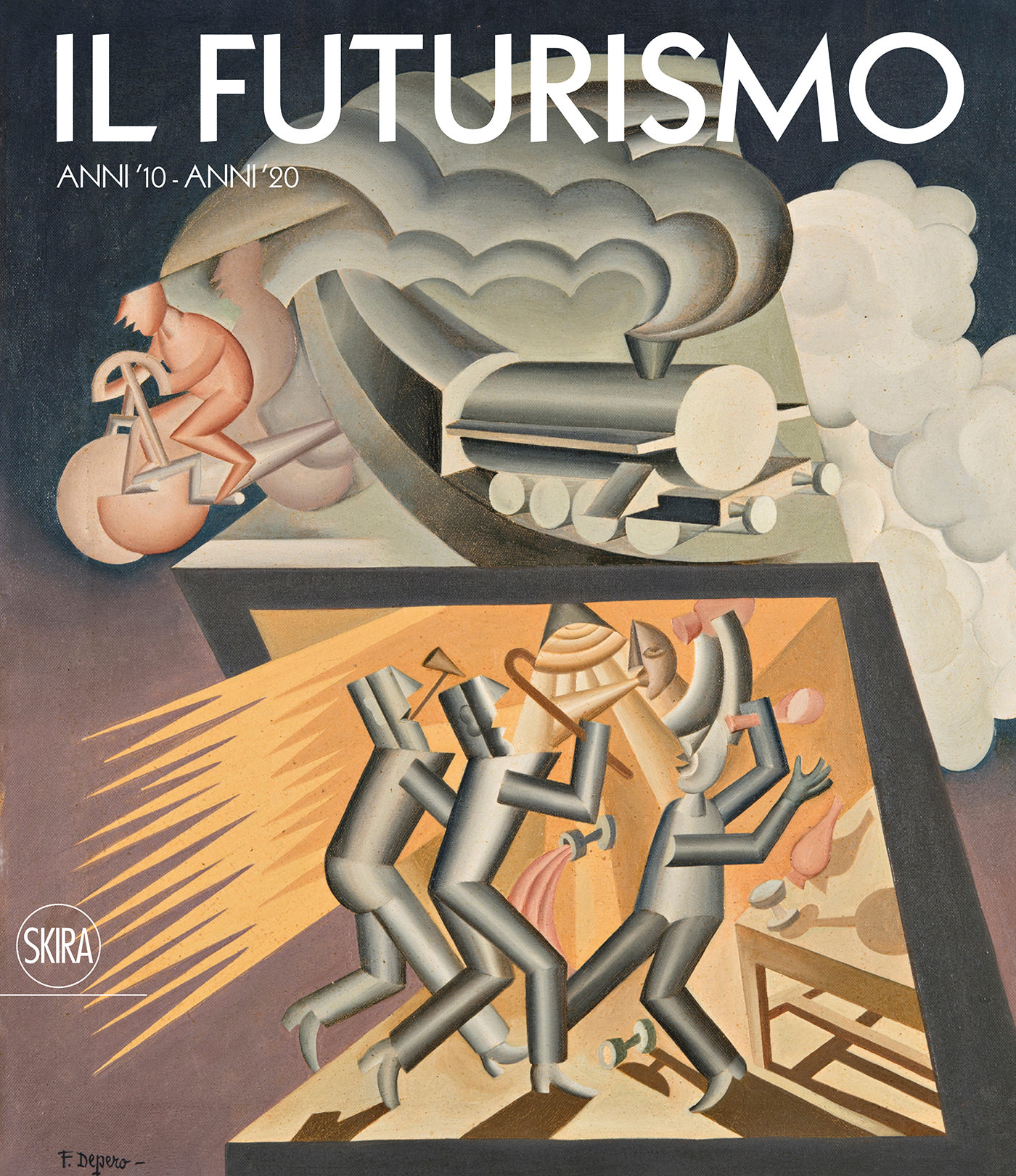
Il Futurismo, or Futurism, is one of the most radical and influential art movements of the 20th century, with deep roots in Italy. It emerged in the early 1900s and aimed to revolutionize not only art but also the entire fabric of life in a rapidly modernizing world. This avant-garde movement was primarily driven by a group of artists and intellectuals who believed that traditional values and aesthetics were outdated and inadequate in addressing the challenges and opportunities presented by modernity. This article delves into the origins, principles, key figures, and lasting impact of Futurism, exploring how it sought to reshape society and art in the image of the future.
The Birth of Futurism
Futurism was officially born on February 20, 1909, with the publication of the “Manifesto of Futurism” in the French newspaper Le Figaro. The manifesto was written by Filippo Tommaso Marinetti, a charismatic poet and provocateur who became the movement’s leader and most vocal advocate. The manifesto called for a complete rejection of the past and an embrace of modern technology, speed, violence, and youth. It proclaimed the need to glorify war as “the world’s only hygiene” and advocated for the destruction of museums, libraries, and academies, which Marinetti saw as symbols of an oppressive past.
Marinetti’s manifesto was not just a call to artists but a call to all of society. It was an invitation to embrace the dynamic and chaotic forces of the modern world, to celebrate the new urban landscapes shaped by machines and industry, and to break free from the constraints of traditional morality and aesthetics.
The Core Principles of Futurism
At its core, Futurism was an anti-traditional and anti-classical movement. The Futurists were determined to reject the artistic conventions that had dominated European art for centuries. They sought to create a new aesthetic language that could capture the energy, speed, and violence of modern life. This new language was characterized by several key principles:
-
Dynamism and Movement: Futurist art sought to convey the sensation of movement and speed, reflecting the rapid pace of modern life. This was often achieved through the use of dynamic compositions, fragmented forms, and bold lines that suggested motion.
-
Technology and Industry: The Futurists were fascinated by modern technology and industry. They celebrated machines, factories, and urban life as symbols of progress and the future. Their work often depicted mechanical objects and industrial landscapes, emphasizing the power and energy of these new forces.
-
War and Violence: Futurism was a profoundly militant movement. The Futurists believed that war was necessary to sweep away the old order and make way for the new. They glorified violence as a purifying force and saw in it the potential to create a new, more vital society.
-
Youth and Modernity: The Futurists were obsessed with youth and the future. They rejected the past and all that it represented, believing that only the young and forward-looking could truly understand and embrace the new world that was emerging.
The First Wave of Futurism
The initial wave of Futurism was led by a group of Italian artists and writers who were inspired by Marinetti’s manifesto. Among the most important of these early Futurists were the painters Umberto Boccioni, Giacomo Balla, and Gino Severini, and the composer Luigi Russolo.
Umberto Boccioni was perhaps the most important artist of the early Futurist movement. His paintings and sculptures sought to capture the energy and dynamism of modern life. In works like “The City Rises” (1910) and “Unique Forms of Continuity in Space” (1913), Boccioni used fragmented forms and swirling lines to suggest movement and speed. His work was a direct challenge to the static, idealized forms of classical art.
Giacomo Balla was another key figure in the early Futurist movement. His work often focused on the depiction of light and motion, as in his famous painting “Dynamism of a Dog on a Leash” (1912). Balla’s work was characterized by its bold use of color and its innovative approach to capturing the sensation of movement.
Gino Severini, meanwhile, brought a more cosmopolitan sensibility to Futurism. Based in Paris, Severini was influenced by the Cubists, and his work often incorporated elements of Cubism into the Futurist style. In works like “Armored Train in Action” (1915), Severini depicted the violence and chaos of war in a fragmented, dynamic style that was typical of Futurist art.
Luigi Russolo was the movement’s musical innovator, best known for his invention of the “intonarumori,” a series of noise-generating instruments that sought to capture the industrial sounds of the modern world. Russolo’s manifesto, “The Art of Noises” (1913), argued that the sounds of the modern world—factories, engines, and urban life—were more musically interesting than the traditional instruments of classical music.
The Expansion and Influence of Futurism
Futurism was not limited to painting and sculpture; it quickly expanded to encompass a wide range of artistic disciplines, including literature, music, theater, architecture, and even cuisine. The Futurists sought to revolutionize every aspect of life, from the way people wrote and spoke to the way they cooked and ate.
Literature: In literature, Marinetti himself led the charge, developing a new style of writing that he called “parole in libertà” (words in freedom). This style rejected traditional syntax and punctuation, favoring a more spontaneous, fragmented, and visually oriented form of writing. Marinetti’s experimental poems, such as “Zang Tumb Tumb” (1914), were typographical explosions on the page, using varied fonts, sizes, and layouts to convey the noise and chaos of modern life.
Theater: Futurist theater was another area of innovation. The Futurists rejected traditional drama and instead created “synthetic theater,” which consisted of short, often absurd sketches that were intended to shock and provoke the audience. These performances were highly experimental and often involved the use of noise machines, dynamic lighting, and other modern technologies.
Architecture: In architecture, the Futurists sought to create buildings that reflected the dynamism and energy of the modern world. The architect Antonio Sant’Elia, in his 1914 manifesto “The Manifesto of Futurist Architecture,” called for the abandonment of traditional forms and the creation of buildings that were characterized by bold, modern lines, and the use of new materials like concrete, steel, and glass.
Cuisine: Even in the realm of cuisine, the Futurists sought to innovate. Marinetti and the Futurist cook, Fillia, wrote “The Futurist Cookbook” (1932), which proposed a radical rethinking of food and dining. The book was as much a work of art as a cookbook, filled with recipes that were more about the experience of eating than the food itself. The Futurists believed that food should be a multisensory experience, involving sight, sound, and touch, as well as taste and smell.
Futurism and Politics
Futurism was not just an artistic movement; it also had a significant political dimension. Marinetti and many of the early Futurists were ardent nationalists and advocates of Italian intervention in World War I. They saw war as a means of purging the old world of its weaknesses and creating a new, stronger society. Many Futurists, including Marinetti himself, volunteered for service in the war.
After the war, Futurism became increasingly politicized. Marinetti and other Futurists were early supporters of Benito Mussolini and his Fascist movement. They saw in Mussolini a kindred spirit who shared their desire to create a new, modern Italy. However, the relationship between Futurism and Fascism was complex and often fraught with tension. While the Futurists admired Mussolini’s dynamism and his rejection of the old order, they were also critical of many aspects of Fascism, particularly its embrace of traditional values and its alliance with the Catholic Church.
The Legacy of Futurism
The influence of Futurism on the 20th century and beyond cannot be overstated. Although the movement itself began to decline in the 1920s, many of its ideas and innovations lived on in other artistic movements and in popular culture.
Futurism’s emphasis on speed, technology, and youth found echoes in the work of later avant-garde movements like Constructivism in Russia and Vorticism in Britain. Its influence can also be seen in the development of modernist architecture, particularly in the use of new materials and the rejection of ornamentation.
In the post-war period, Futurism’s ideas about the relationship between art and technology found new expression in movements like Pop Art and in the work of artists like Andy Warhol. The Futurists’ interest in industrial sounds and noise as music anticipated later developments in electronic music and sound art.
Today, Futurism is recognized as one of the most important and influential art movements of the 20th century. Its radical ideas and bold innovations continue to inspire artists and thinkers around the world. While the movement’s association with Fascism and its often problematic glorification of violence and war have led to controversy, its contributions to the development of modern art and culture are undeniable.
Conclusion
Il Futurismo was more than just an art movement; it was a call to arms, a challenge to the world to embrace the future with all its chaos and potential. Through its innovative and often controversial ideas, it sought to break down the barriers between art and life and to create a new world that was truly modern. Although the movement eventually faded, its influence continues to be felt today, a testament to the power of its vision of the future.


