
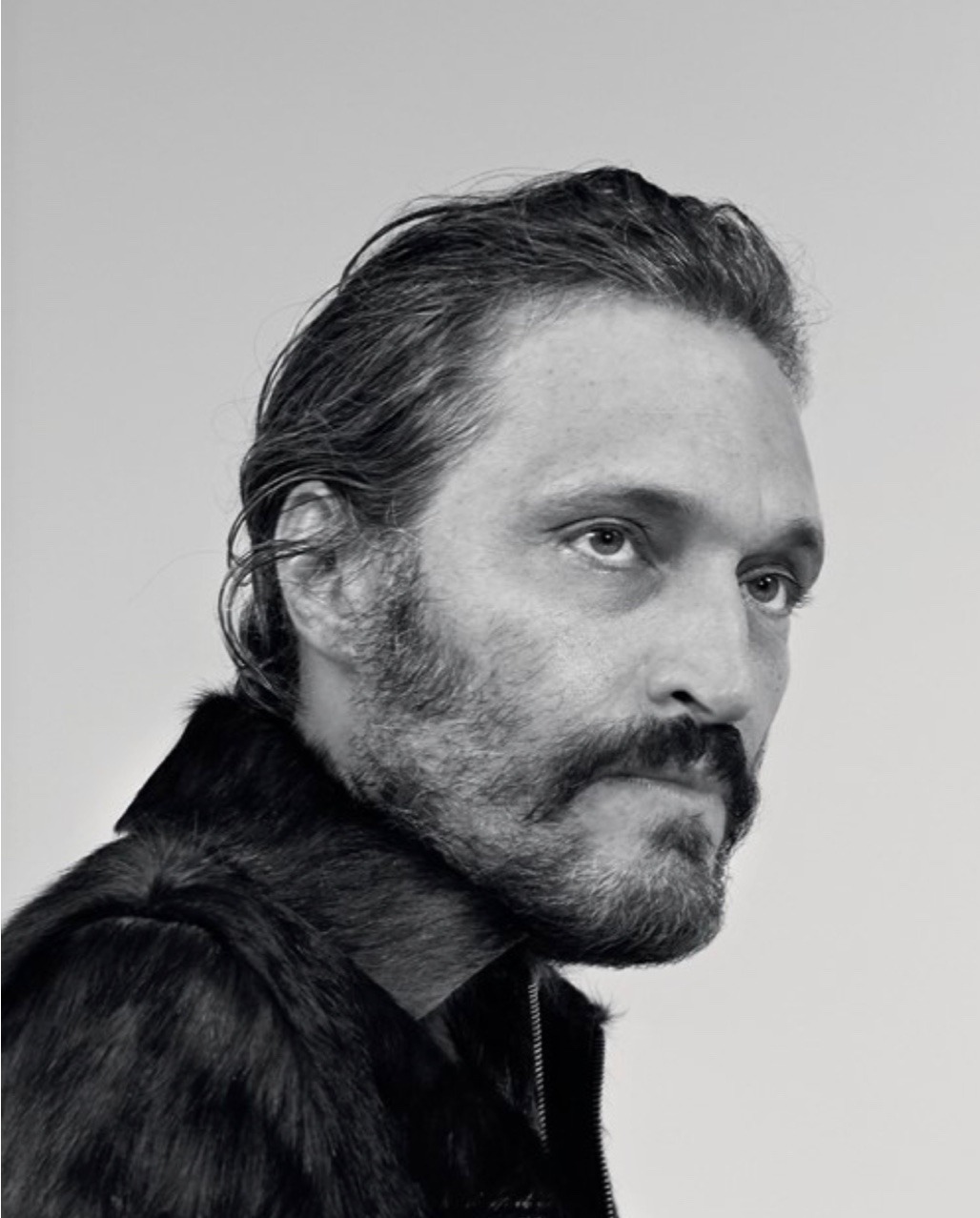
Vincent Gallo, an enigmatic and multifaceted artist, has made significant contributions to the world of cinema, music, and art. Born on April 11, 1961, in Buffalo, New York, Gallo’s journey to fame is as eclectic and unconventional as the man himself. From his humble beginnings in a Sicilian-American family to becoming a controversial figure in the film industry, Gallo’s life story is a testament to his relentless pursuit of artistic expression.
Early Life and Background
Vincent Gallo was born into a family of Sicilian immigrants in Buffalo, New York. As the second of three children, Gallo’s early life was marked by a desire to break free from the conventional path. At the age of 16, he left his family home and moved to New York City, driven by a passion for the arts and a determination to make a name for himself.
Gallo’s early years in New York were a period of exploration and experimentation. He formed several musical bands, including The Good, The Plastics, and The Gray, where he collaborated with notable figures like Jean-Michel Basquiat. Music, however, was just one facet of Gallo’s artistic identity. He also delved into photography, sculpture, and painting, gaining recognition in New York’s art scene. His work was so well-received that, in 2002, the Hara Museum in Japan featured an exhibition of 120 of his pieces.
Breakthrough in Cinema
While Gallo’s artistic endeavors were diverse, it was in the world of cinema that he found his most significant success. His film debut came in 1986 with the short film If You Feel Froggy, Jump. However, his breakthrough came shortly after when he won the Best Soundtrack award at the Berlin Film Festival for Eric Mitchell’s The Way It Is, where he also played a role.
This success catapulted Gallo into the world of cinema, where he took on various acting roles. He appeared in films such as Arizona Dream (1993), directed by Emir Kusturica and starring Johnny Depp and Jerry Lewis, and The House of the Spirits (1993), directed by Bille August. His performances in these films earned him critical acclaim, but it was his work in The Funeral (1996), directed by Abel Ferrara, that brought him widespread recognition.
Buffalo 66: A Cinematic Masterpiece
Vincent Gallo’s crowning achievement in cinema came with the release of Buffalo 66 in 1998. This film, which he wrote, directed, scored, and starred in, is widely regarded as his magnum opus. Buffalo 66 is a deeply personal film, drawing heavily from Gallo’s own life experiences. The film tells the story of a man named Billy Brown, who, after being released from prison, kidnaps a young woman (played by Christina Ricci) to pose as his wife in front of his dysfunctional parents.
The film’s narrative is both poignant and darkly comedic, exploring themes of alienation, family dysfunction, and the search for redemption. Gallo’s portrayal of Billy Brown is raw and unfiltered, capturing the character’s inner turmoil and vulnerability. The film’s cinematography, combined with its haunting soundtrack, creates an atmosphere that is both melancholic and evocative.
Buffalo 66 was a critical success, earning praise for its originality and Gallo’s multi-faceted talent. The film’s unique blend of humor and pathos resonated with audiences, cementing Gallo’s reputation as a daring and innovative filmmaker.
Controversy and The Brown Bunny
Following the success of Buffalo 66, Vincent Gallo continued to push the boundaries of cinema. In 2003, he directed, wrote, and starred in The Brown Bunny, a film that would become one of the most controversial of his career. The film, which premiered at the Cannes Film Festival, was met with a highly polarized reception. Some critics praised its minimalist style and introspective narrative, while others criticized it for its explicit content and perceived self-indulgence.
The controversy surrounding The Brown Bunny reached its peak with the film’s infamous final scene, which featured an explicit and graphic sexual encounter. The scene provoked strong reactions from both critics and audiences, with some accusing Gallo of crossing the line into exploitation. In response to the backlash, Gallo initially defended his artistic choices but later issued a tongue-in-cheek apology, adding to the film’s notoriety.
Despite the controversy, The Brown Bunny has since gained a cult following, with some critics re-evaluating the film as a bold and uncompromising work of art. The film’s exploration of loneliness, loss, and redemption echoes themes that have been present throughout Gallo’s career, further solidifying his status as a provocative and unconventional filmmaker.
Music and Art: A 360-Degree Artist
Vincent Gallo’s artistic talents extend far beyond the realm of cinema. His music, which he has been creating since his early days in New York, reflects his eclectic taste and deep appreciation for various musical genres. Gallo’s music is characterized by its intimate, often melancholic tone, with influences ranging from 1970s rock to avant-garde experimental sounds.
His work as a musician includes several albums, such as When (2001) and Recordings of Music for Film (2002), which showcase his distinctive style and emotional depth. Gallo’s music has been described as introspective and atmospheric, often drawing comparisons to artists like Tim Buckley and King Crimson. His ability to evoke powerful emotions through music is a testament to his versatility as an artist.
In addition to music, Gallo has also made a significant impact in the world of visual art. His paintings and sculptures have been exhibited in galleries around the world, and his work as a photographer has been widely recognized. Gallo’s visual art, much like his films, often explores themes of identity, isolation, and the human condition. His multidisciplinary approach to art allows him to express his creative vision across various mediums, making him a true 360-degree artist.
The Legacy of Vincent Gallo
Vincent Gallo’s career is a testament to his relentless pursuit of artistic expression. Whether through film, music, or visual art, Gallo has consistently pushed the boundaries of creativity, challenging conventional norms and provoking thought and emotion in his audience. His work is often polarizing, evoking strong reactions from both critics and fans alike. However, it is this very quality that makes Gallo such a compelling and influential figure in the world of art.
Gallo’s legacy is one of defiance and originality. He has never shied away from controversy or difficult subject matter, instead embracing it as a means of exploring the complexities of the human experience. His films, particularly Buffalo 66 and The Brown Bunny, remain important works in independent cinema, showcasing his unique voice and vision.
As an artist, Vincent Gallo embodies the spirit of independence and creativity. He is a true auteur, whose work reflects his personal experiences, beliefs, and emotions. While his career has been marked by both triumphs and setbacks, Gallo’s influence on the arts is undeniable. He continues to inspire a new generation of artists who seek to challenge the status quo and create work that is both meaningful and impactful.
Final Thoughts
Vincent Gallo is a complex and multifaceted artist whose contributions to film, music, and visual art have left an indelible mark on the cultural landscape. His life and career are a testament to the power of artistic expression and the importance of staying true to one’s creative vision. Whether admired for his films, appreciated for his music, or celebrated for his art, Vincent Gallo remains a figure of intrigue and inspiration in the world of contemporary art.


