
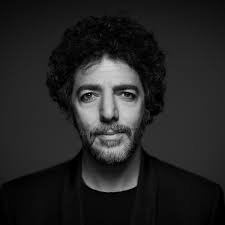
Max Gazzè is an Italian singer-songwriter and bassist known for his unique blend of poetic lyrics, eclectic musical influences, and a career that spans over three decades. Born on July 6, 1967, in Rome, Italy, Gazzè has become one of the most respected and innovative artists in the Italian music scene. This article delves into the life of Max Gazzè, exploring his age, rise to fame, and the key highlights of his career, providing a comprehensive look at his artistic journey and the cultural context that shaped his music.
Early Life and Musical Beginnings
Max Gazzè was born Massimiliano Gazzè in Rome, Italy, and grew up in a family that nurtured his early interest in music. His passion for music was evident from a young age, and he began playing the piano when he was just six years old. By the time he was 14, he had switched to the bass guitar, which would become his primary instrument and a defining element of his sound.
In the 1980s, Gazzè moved to Brussels, Belgium, where he spent several years honing his craft as a professional musician. During this period, he played with various bands, most notably as the bassist, arranger, and co-writer for the English band 4 Play 4, which explored genres such as Northern soul and acid jazz. This international experience was crucial in shaping Gazzè’s eclectic musical style, which combines elements of rock, pop, jazz, and electronic music.
After spending nearly a decade in Brussels, Gazzè returned to Italy in 1991. Back in Rome, he set up a small recording studio where he began experimenting with music production and composition. His early work during this period included composing soundtracks and producing for other artists. It was this creative environment that laid the groundwork for his debut album.
Breakthrough with “Contro un’onda del mare” and Early Success
Max Gazzè’s debut album, “Contro un’onda del mare,” was released in January 1996. The album marked his entry into the Italian music scene and showcased his distinctive style, characterized by a fusion of diverse musical influences and introspective lyrics. The album quickly caught the attention of critics, who praised its originality and Gazzè’s skill as both a musician and a lyricist.
The success of “Contro un’onda del mare” led to an invitation to join Franco Battiato’s acoustic tour, a significant opportunity that helped Gazzè reach a wider audience. Battiato, a revered figure in Italian music, became a mentor to Gazzè, and this collaboration further solidified Gazzè’s reputation as a rising star in the industry.
In 1998, Gazzè released his second album, “La favola di Adamo ed Eva,” which included the hit singles “Cara Valentina” and “Vento d’estate.” The latter, a duet with Niccolò Fabi, became a summer anthem in Italy and won the prestigious Disco per l’Estate award. This album not only established Gazzè as a household name but also demonstrated his ability to create music that resonated with a broad audience while maintaining artistic integrity.
Establishing a Unique Artistic Voice
By the late 1990s, Max Gazzè had firmly established himself as a unique voice in Italian music. His lyrics, often co-written with his brother Francesco, were noted for their depth, wit, and poetic quality. They explored themes ranging from love and relationships to philosophical musings on life, all delivered with a touch of irony and humor.
In 1999, Gazzè participated in the prestigious Sanremo Music Festival, a key event in Italian popular music, with the song “Una musica può fare.” Although he competed in the “Nuove Proposte” (Newcomers) category, the song became a hit, further expanding his fan base. The success of “Una musica può fare” led to the release of his third album, self-titled “Max Gazzè,” in March 2000. The album featured the single “Il timido ubriaco,” which Gazzè performed at the 50th Sanremo Music Festival. This track, known for its narrative complexity and musical innovation, highlighted Gazzè’s ability to blend different emotional states within a single composition.
The early 2000s were a prolific period for Gazzè. In 2001, he released “Ognuno fa quello che gli pare,” an album that showcased his growth as a songwriter and composer. The album was noted for its diverse soundscapes, ranging from rock and folk to electronic music, and featured collaborations with prominent artists such as Paola Turci and Carmen Consoli. “Ognuno fa quello che gli pare” received critical acclaim for its exploration of contrasting themes and innovative musical arrangements.
Continued Success and Experimentation
Max Gazzè’s career continued to flourish throughout the 2000s and 2010s. In 2003, he collaborated with Swiss artist Stephan Eicher on the album “Taxi Europa,” contributing to the title track and performing alongside Eicher in a European tour. This period also saw Gazzè’s increasing involvement in live performances, which became a significant aspect of his artistic identity. His live shows were celebrated for their energy, spontaneity, and the seamless integration of various musical genres.
In 2004, Gazzè released the album “Un giorno,” which was heavily influenced by his recent live experiences. The album was recorded with a vintage sound, using analog equipment to capture the raw, live feel of his performances. “Un giorno” marked a shift towards a more organic, stripped-down sound, emphasizing the emotional depth of Gazzè’s lyrics and the interplay between the instruments.
Gazzè’s commitment to artistic evolution was evident in his subsequent projects. In 2008, he released “Tra l’aratro e la radio,” an album that combined folk elements with electronic influences, reflecting his continued interest in blending different musical styles. The album was well-received, and the single “Il solito sesso” became a hit, earning him another invitation to the Sanremo Music Festival.
Acting and Multidisciplinary Ventures
In addition to his musical career, Max Gazzè has explored other artistic avenues, including acting. In 2010, he made his film debut in “Basilicata coast to coast,” a comedy directed by Rocco Papaleo. Gazzè’s role in the film was well-received, and he contributed to the film’s soundtrack with the song “Mentre dormi,” which won the David di Donatello award for Best Original Song in 2011.
Gazzè’s foray into acting was not just a side project but an extension of his creative expression. His performance in “Basilicata coast to coast” showcased his versatility as an artist and added a new dimension to his public persona.
Recent Projects and Collaborative Efforts
The 2010s saw Max Gazzè continue to push creative boundaries. In 2013, he participated in the 63rd Sanremo Music Festival with the songs “I tuoi maledettissimi impegni” and “Sotto casa,” the latter of which became one of his most popular tracks. The following year, Gazzè, along with fellow singer-songwriters Niccolò Fabi and Daniele Silvestri, launched the collaborative project “Fabi-Silvestri-Gazzè.” The trio released the album “Il padrone della festa” in 2014, which was preceded by the single “Life is Sweet.” The project was a commercial success, and the trio embarked on a sold-out tour across Europe and Italy.
In 2015, Gazzè released the album “Maximilian,” which included the hit single “La vita com’è.” The album was characterized by its catchy melodies and introspective lyrics, further solidifying Gazzè’s reputation as one of Italy’s most enduring and innovative artists.
Gazzè returned to the Sanremo stage in 2018 with the song “La leggenda di Cristalda e Pizzomunno,” a romantic ballad inspired by an Italian legend. The song was well-received, and Gazzè’s performance was praised for its emotional depth and vocal delivery. He continued his Sanremo journey in 2021 with the song “Il farmacista,” further demonstrating his ability to stay relevant in the ever-changing landscape of Italian music.
Legacy and Cultural Impact
Max Gazzè’s career is a testament to his artistic integrity, versatility, and commitment to exploring new musical territories. Over the years, he has managed to carve out a unique space in the Italian music industry, combining commercial success with artistic innovation. His ability to seamlessly blend different genres and his poetic approach to songwriting have made him a beloved figure among fans and critics alike.
Gazzè’s music often reflects the complexities of life, love, and human emotions, resonating with audiences across generations. His influence extends beyond music, as his forays into acting and collaboration with other artists have contributed to his status as a multifaceted artist.
As Max Gazzè continues to create and perform, his legacy as one of Italy’s most innovative and enduring musicians remains secure. His journey from the streets of Rome to international stages is a powerful reminder of the transformative power of music and the importance of staying true to one’s artistic vision.


