
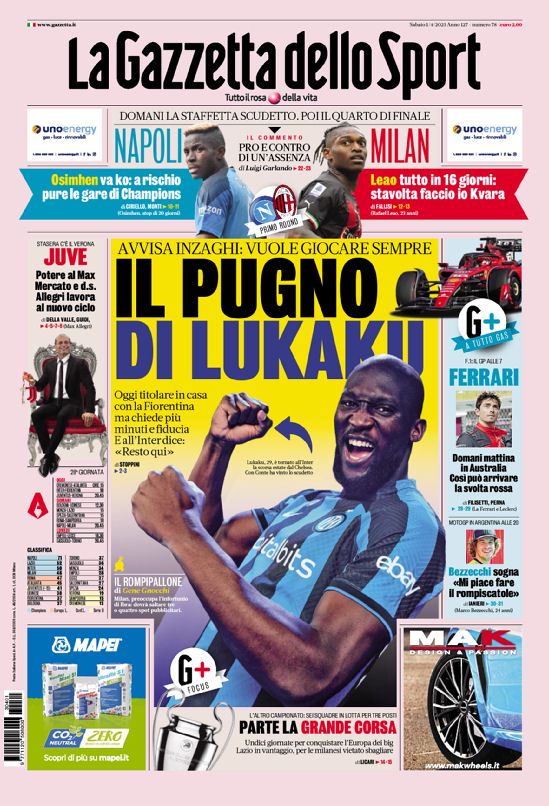
La Gazzetta dello Sport is not just a newspaper; it is an institution in Italy, embodying the passion, history, and spirit of Italian sports. Since its inception on April 3, 1896, La Gazzetta dello Sport has grown to become the most popular and influential sports newspaper in Italy, known for its iconic pink pages and comprehensive coverage of all things sports. This article explores the history, rise to fame, and key milestones of La Gazzetta dello Sport, providing insights into its cultural significance and the role it plays in the Italian sports landscape.
The Birth of a Legend: Early Years
La Gazzetta dello Sport was born from the merger of two earlier publications, Il Ciclista by Eliseo Rivera and La Tripletta by Eugenio Camillo Costamagna. The newspaper’s first issue hit the stands on April 3, 1896, just two days before the start of the first modern Olympic Games in Athens, Greece. This timing was serendipitous, as the paper’s initial focus was on cycling and other emerging sports, reflecting the growing interest in organized sports in Italy at the turn of the century.
In its early years, La Gazzetta dello Sport was published only twice a week. This was largely because, at that time, sports were considered more of a leisurely pastime than the national obsession they would later become. The newspaper’s original format was printed on light green paper, which was chosen to distinguish it from other publications. It wasn’t until 1899 that the paper adopted the pink hue that would become its trademark—a color chosen to make it stand out on the newsstands.
The early 20th century was a period of growth and change for La Gazzetta dello Sport. By 1908, the paper had severed its ties with its original publisher, Raffaele Sonzogno, who had intended to make it a supplement to his more general-interest newspaper, Il Secolo. This separation allowed La Gazzetta dello Sport to carve out its own identity and increase its frequency of publication to three times a week. By 1913, it had transitioned to a daily publication, a status it has maintained ever since.
The Giro d’Italia: A Turning Point
One of the most significant moments in the history of La Gazzetta dello Sport came in 1909 with the creation of the Giro d’Italia, one of the most prestigious cycling races in the world. The idea for the race was conceived as a response to the success of other major cycling tours, such as the Tour de France. The announcement of the first Giro d’Italia was made on August 7, 1908, on the front page of La Gazzetta dello Sport, and the first race took place in 1909.
The Giro d’Italia was a bold initiative that not only helped to establish the newspaper as a central figure in Italian sports but also played a crucial role in popularizing cycling in Italy. The race quickly became an annual event and remains one of the most anticipated sporting events in the country. The winner of the Giro d’Italia is awarded the Maglia Rosa (Pink Jersey), a nod to the pink pages of La Gazzetta dello Sport.
The creation of the Giro d’Italia marked a turning point for La Gazzetta dello Sport, solidifying its reputation as a pioneering force in the world of sports journalism. The newspaper’s involvement in organizing and promoting the race demonstrated its influence and commitment to fostering the growth of sports in Italy.
Growth and Expansion in the 20th Century
The 20th century saw La Gazzetta dello Sport expand its coverage beyond cycling to include a wide range of sports, particularly football, which would eventually become the newspaper’s most covered sport. By the 1920s, football was rapidly gaining popularity in Italy, and La Gazzetta dello Sport was at the forefront of reporting on the burgeoning sport.
The newspaper’s ability to adapt to the changing sports landscape was a key factor in its success. As new sports emerged and grew in popularity, La Gazzetta dello Sport was quick to provide comprehensive coverage, from match reports and player profiles to in-depth analysis and commentary. This broad coverage helped the newspaper attract a diverse readership, making it a must-read for sports enthusiasts across Italy.
La Gazzetta dello Sport also became known for its colorful and engaging writing style, which appealed to both serious sports fans and casual readers alike. The newspaper’s writers were not just reporters but storytellers who brought the excitement of sports to life on the page. This approach helped to build a strong emotional connection between the newspaper and its readers, a relationship that has endured for more than a century.
The Post-War Boom and the Rise of Football
The years following World War II were a period of significant growth for La Gazzetta dello Sport. The post-war era saw a resurgence in the popularity of sports, particularly football, which became the dominant sport in Italy. As football grew into a national obsession, La Gazzetta dello Sport became the go-to source for news, analysis, and commentary on the sport.
The 1980s were a particularly prosperous decade for the newspaper, coinciding with the Italian national football team’s success in the 1982 FIFA World Cup held in Spain. The victory sparked a surge in national pride and interest in football, and La Gazzetta dello Sport was perfectly positioned to capitalize on this enthusiasm. The newspaper’s circulation soared, and by 1982, it was the most-read newspaper in Italy, with an average daily readership of over 2.8 million.
La Gazzetta dello Sport’s coverage of the 1982 World Cup was a high point in its history. The newspaper provided extensive coverage of the tournament, from detailed match reports to profiles of the players and behind-the-scenes stories. The day after Italy’s victory in the final, La Gazzetta dello Sport sold a record 1.47 million copies, a testament to its popularity and the passion of Italian sports fans.
The 1980s also saw La Gazzetta dello Sport expand its influence beyond the printed page. The newspaper began organizing and sponsoring a range of sporting events, further cementing its role as a central figure in the Italian sports world. These events included the Italian Snowboard Championship, the Beach Volleyball Championship, and the Milano City Marathon, among others.
The Digital Age and Modern Innovations
As the world entered the digital age, La Gazzetta dello Sport continued to evolve, embracing new technologies and expanding its reach. In the late 1990s, the newspaper launched its official website, Gazzetta.it, which quickly became one of the most popular sports websites in Italy. The website offered readers access to the latest sports news, live updates, multimedia content, and interactive features, allowing La Gazzetta dello Sport to engage with a new generation of sports fans.
In addition to its online presence, La Gazzetta dello Sport also launched Sportweek, a weekly magazine that provided in-depth coverage of major sports events, profiles of athletes, and analysis of trends in the sports world. The magazine quickly gained a loyal readership and became an important part of the Gazzetta brand.
Despite the challenges posed by the rise of digital media, La Gazzetta dello Sport has managed to maintain its position as Italy’s leading sports newspaper. The newspaper has adapted to the changing media landscape by embracing digital innovation while continuing to provide the high-quality journalism that has been its hallmark for more than a century.
Cultural Impact and Legacy
La Gazzetta dello Sport’s influence extends far beyond its role as a newspaper. It is a cultural institution that has played a central role in shaping the way Italians experience and engage with sports. The newspaper has not only reported on the biggest moments in Italian sports history but has also helped to create and promote many of those moments, from the Giro d’Italia to the 1982 World Cup.
The newspaper’s iconic pink pages have become a symbol of Italian sports journalism, and its coverage has set the standard for sports reporting in Italy. La Gazzetta dello Sport’s success is built on its ability to capture the passion, drama, and excitement of sports while providing readers with the information and analysis they need to understand and appreciate the games they love.
Over the years, La Gazzetta dello Sport has become more than just a newspaper; it is a part of the fabric of Italian culture. The newspaper’s coverage of sports has helped to unite Italians around their shared love of sports, creating a sense of community and national pride. Whether it’s celebrating a victory or analyzing a defeat, La Gazzetta dello Sport has been there to guide and inform the public every step of the way.
The Future of La Gazzetta dello Sport
As La Gazzetta dello Sport looks to the future, it faces the challenge of adapting to a rapidly changing media landscape. The rise of digital media has transformed the way people consume news, and the newspaper will need to continue innovating to stay relevant in the years to come. However, with its strong brand, loyal readership, and commitment to quality journalism, La Gazzetta dello Sport is well-positioned to navigate these changes.
The newspaper’s ability to adapt and evolve over the years is a testament to its resilience and the enduring appeal of its content. As long as there are sports to be played and stories to be told, La Gazzetta dello Sport will continue to be an essential part of the Italian sports landscape.
La Gazzetta dello Sport’s journey from a small, biweekly publication to Italy’s leading sports newspaper is a story of passion, innovation, and a deep connection with its readers. As it continues to evolve in the digital age, La Gazzetta dello Sport remains a vital and vibrant part of Italy’s sports culture, with a legacy that will endure for generations to come.


