
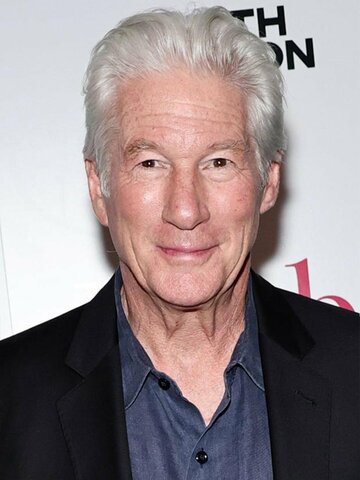
Richard Gere, an iconic figure in Hollywood, has mesmerized audiences with his striking looks, charismatic presence, and an impressive array of roles over the past few decades. Born on August 31, 1949, in Syracuse, New York, Gere has become a symbol of enduring talent and charm in the entertainment industry. This article delves deep into his life, exploring his age, rise to fame, and the significant highlights of his career, while also examining the nuances of his persona and the historical context that shaped his journey.
Early Life and Background
Richard Gere was born to a humble family, the son of Homer George Gere, an insurance agent, and Doris Ann, a homemaker. Growing up in a small town, Gere’s early life was far removed from the glamour of Hollywood. His upbringing was rooted in simplicity, which perhaps contributed to the grounded and relatable nature that would later endear him to audiences worldwide.
During his high school years, Gere excelled in music, particularly playing the trumpet, and was also a standout athlete in gymnastics. His talent and passion for the arts were evident early on, but it wasn’t until his time at the University of Massachusetts Amherst, where he initially studied philosophy, that he began to seriously consider a career in acting. However, his academic pursuits were short-lived as his passion for theater overtook him, leading him to drop out of college and pursue acting full-time.
The Road to Stardom: Broadway and Beyond
Gere’s foray into acting began on stage, a common starting point for many of Hollywood’s finest. He initially joined small theater companies, gaining invaluable experience and honing his craft. His big break came when he landed a role in the Broadway production of Grease, a performance that garnered significant attention and showcased his potential as a leading man.
The transition from stage to screen was a natural progression for Gere, who made his film debut in 1975 with Report to the Commissioner. However, it was his role in Looking for Mr. Goodbar (1977) that truly marked the beginning of his rise to fame. Gere’s portrayal of a troubled young man in this film set the tone for the kind of characters he would become known for—complex, brooding, and irresistibly charismatic.
Defining Moments: The 1980s and the Rise of a Sex Symbol
The 1980s were a transformative decade for Richard Gere. It was during this period that he solidified his status as a Hollywood A-lister and a global sex symbol. His performance in American Gigolo (1980) was a defining moment in his career. The film not only established him as a leading man but also cemented his image as a symbol of male beauty and charm. Gere’s portrayal of Julian Kaye, a high-end escort navigating the complexities of love and identity, was both nuanced and groundbreaking, resonating with audiences and critics alike.
Following American Gigolo, Gere starred in An Officer and a Gentleman (1982), another iconic film that further elevated his status. His role as Zack Mayo, a naval officer in training who falls in love with a local factory worker, played by Debra Winger, became one of the most memorable performances of the era. The film’s success was not only due to its compelling storyline but also to Gere’s ability to convey deep emotion and vulnerability, qualities that endeared him to a broad audience.
Despite his early successes, the latter part of the 1980s and early 1990s saw Gere facing a series of challenges. While he continued to work steadily, some of his films during this period, such as King David (1985) and Power (1986), did not achieve the same level of acclaim as his earlier works. Critics began to question whether Gere was being typecast into roles that did not fully utilize his talents.
However, Gere’s career experienced a significant resurgence with the release of Pretty Woman in 1990. Starring alongside Julia Roberts, Gere played Edward Lewis, a wealthy businessman who falls in love with a spirited prostitute. The film was a massive hit and became one of the most beloved romantic comedies of all time. Gere’s chemistry with Roberts was palpable, and his portrayal of the sophisticated yet emotionally distant Lewis was widely praised. Pretty Woman not only revived Gere’s career but also introduced him to a new generation of fans.
Personal Life and Public Persona
Beyond his on-screen persona, Richard Gere’s personal life has also been a topic of public interest. In 1991, he married supermodel Cindy Crawford, a union that attracted significant media attention. However, the marriage was short-lived, ending in divorce in 1995. Gere later married actress and model Carey Lowell in 2002, with whom he has a son, Homer James Jigme Gere, born in 2000. The couple’s relationship lasted until 2013, when they filed for divorce.
Gere’s personal life has often been intertwined with his spiritual journey. In the late 1980s, he became a devout follower of Buddhism, a path that has greatly influenced his life and career. Gere is known for his deep commitment to human rights, particularly in relation to the Tibetan cause. His activism has sometimes brought him into conflict with powerful entities, but it has also earned him respect as a passionate advocate for justice and equality.
Later Career and Continued Success
As Gere moved into the latter stages of his career, he continued to take on diverse roles that showcased his range as an actor. In the early 2000s, he starred in the critically acclaimed musical Chicago (2002), where his performance as the slick lawyer Billy Flynn earned him a Golden Globe Award. This role demonstrated Gere’s ability to adapt to different genres and proved that he was far from being a one-dimensional actor.
Gere also starred in a series of successful films in the 2000s, including Shall We Dance? (2004) alongside Jennifer Lopez, and The Hunting Party (2007), a film that highlighted his ability to portray more serious, dramatic roles. One of his most poignant performances came in Hachi: A Dog’s Tale (2009), a film based on the true story of a loyal dog who waits for his deceased owner for years. The film was a departure from the glamorous roles Gere was known for, but it resonated deeply with audiences, further showcasing his versatility.
Legacy and Influence
Richard Gere’s legacy in Hollywood is undeniable. Over the course of his career, he has portrayed a wide array of characters, from troubled anti-heroes to charming leading men, all while maintaining a strong connection with his audience. His journey from a small-town boy to one of the most recognizable faces in the world of cinema is a testament to his talent, determination, and adaptability.
Gere’s influence extends beyond his filmography. His commitment to humanitarian causes, particularly his work with Tibetan refugees and his advocacy for human rights, has earned him widespread admiration. Gere’s activism is a significant part of his identity, demonstrating that he is not just a Hollywood star but also a global citizen dedicated to making the world a better place.
Conclusion: The Enduring Appeal of Richard Gere
At 74 years old, Richard Gere remains a figure of enduring appeal in Hollywood. His career, spanning over four decades, is marked by iconic performances, a dedication to his craft, and a deep commitment to social causes. Gere’s journey is one of continuous reinvention, as he has navigated the highs and lows of fame with grace and humility. His legacy is not only defined by the roles he has played on screen but also by the impact he has made off-screen as an advocate for human rights and a follower of Buddhism.
Richard Gere’s story is one of resilience, talent, and an unwavering commitment to his principles. As he continues to act and engage in philanthropic endeavors, Gere remains a beloved figure whose influence will be felt for generations to come.


