
Introduction
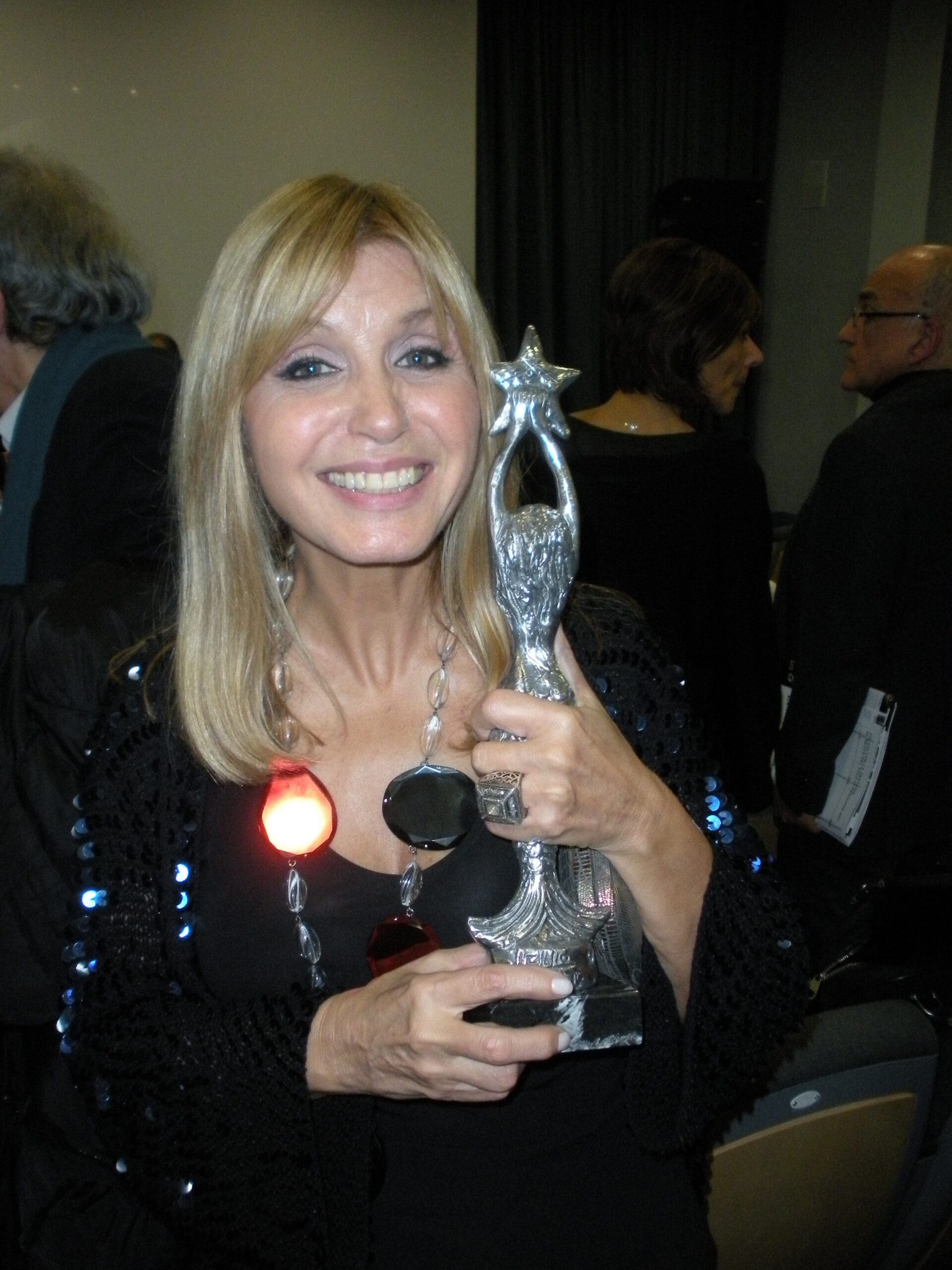
Dori Ghezzi is a name that resonates with the rich history of Italian music, a singer whose career spanned decades and left an indelible mark on the European music scene. Born on March 30, 1946, in Lentate sul Seveso, Italy, Ghezzi’s journey to fame is a story of talent, perseverance, and resilience. This article delves into the life of Dori Ghezzi, exploring her age, rise to fame, and the significant highlights of her career and personal life.
Early Life and Beginnings
Dori Ghezzi was born into a modest family in the small town of Lentate sul Seveso, located in the Lombardy region of Northern Italy. Her early years were marked by a deep love for music, which was evident from a young age. Growing up in post-war Italy, Ghezzi was influenced by the cultural renaissance that swept across Europe. The vibrant mix of traditional Italian music and emerging pop sounds of the 1950s and 60s played a crucial role in shaping her musical sensibilities.
Career Beginnings and Initial Success
Ghezzi’s professional career began in the early 1960s when she started performing at local venues and participating in music contests. Her big break came in 1966 when she won the prestigious “Festival di Castrocaro,” a competition that launched the careers of many Italian artists. This victory earned her a recording contract with Durium, a leading Italian record label.
Her early singles, such as “Casatshock” and “Io Che Ho Te,” showcased her unique voice and ability to blend traditional Italian melodies with contemporary pop influences. These tracks gained her national recognition and set the stage for her future success.
Rise to Fame: The 1970s
The 1970s were a transformative decade for Dori Ghezzi. During this period, she became a household name in Italy and across Europe. Her collaboration with the singer-songwriter Fabrizio De André, whom she later married, was a pivotal moment in her career. Together, they created music that was both innovative and deeply reflective of the social and political changes of the time.
One of her most famous songs from this era is “Vola Colomba,” a poignant track that highlighted her ability to convey deep emotion through her voice. The song was a commercial success and solidified her status as one of Italy’s leading female vocalists.
Collaboration with Fabrizio De André
Ghezzi’s partnership with Fabrizio De André was more than just a musical collaboration; it was a union of two creative souls. De André, known for his poetic lyrics and rebellious spirit, found a perfect match in Ghezzi’s soulful voice. Together, they produced several albums that are now considered classics of Italian music.
Their 1974 album “Volume 8,” which included tracks like “Amore Che Vieni, Amore Che Vai,” is particularly noteworthy. The album was a critical and commercial success, showcasing the synergy between Ghezzi’s vocal talent and De André’s lyrical genius.
Personal Life: Love, Tragedy, and Resilience
Dori Ghezzi’s personal life has been marked by both profound love and tragedy. Her relationship with Fabrizio De André was one of deep mutual respect and admiration. They married in 1989, after many years of being together, and their love story was one of the most talked-about in Italy.
However, their lives took a dramatic turn in 1979 when they were kidnapped by the Sardinian bandits known as Anonima Sequestri. The couple was held captive for four months in the rugged mountains of Sardinia, an experience that left an indelible mark on their lives. Despite the trauma, Ghezzi emerged from the ordeal with remarkable resilience, and her love for De André only deepened.
After De André’s untimely death in 1999, Ghezzi dedicated herself to preserving his legacy. She became the president of the Fabrizio De André Foundation, working tirelessly to promote his music and keep his memory alive.
Later Career and Legacy
In the years following De André’s death, Dori Ghezzi continued to perform and record music, albeit at a slower pace. Her later works, though fewer, are characterized by a deep introspection and a maturity that reflects her life experiences.
Ghezzi’s legacy in Italian music is undeniable. She is not only remembered for her contributions as a singer but also for her role in shaping the cultural landscape of Italy. Her music, often infused with themes of love, loss, and social justice, continues to resonate with audiences today.
Age and Current Life
As of 2024, Dori Ghezzi is 78 years old. Despite her age, she remains active in the music industry and continues to be a beloved figure in Italian culture. She is often seen attending events and participating in initiatives that promote music and the arts.
Her role as the guardian of Fabrizio De André’s legacy keeps her in the public eye, and she is widely respected for her dedication to preserving the cultural heritage of Italy. Ghezzi’s life is a testament to the power of music and the enduring strength of the human spirit.
Conclusion
Dori Ghezzi’s story is one of remarkable talent, love, and resilience. From her early beginnings in a small Italian town to her rise as a star in the European music scene, Ghezzi has lived a life full of passion and purpose. Her contributions to music, both as a solo artist and in collaboration with Fabrizio De André, have left an indelible mark on the world.
As she continues to age gracefully, Dori Ghezzi remains a symbol of artistic excellence and personal strength. Her legacy, built on decades of musical innovation and cultural impact, will undoubtedly continue to inspire future generations of artists and music lovers alike.


