
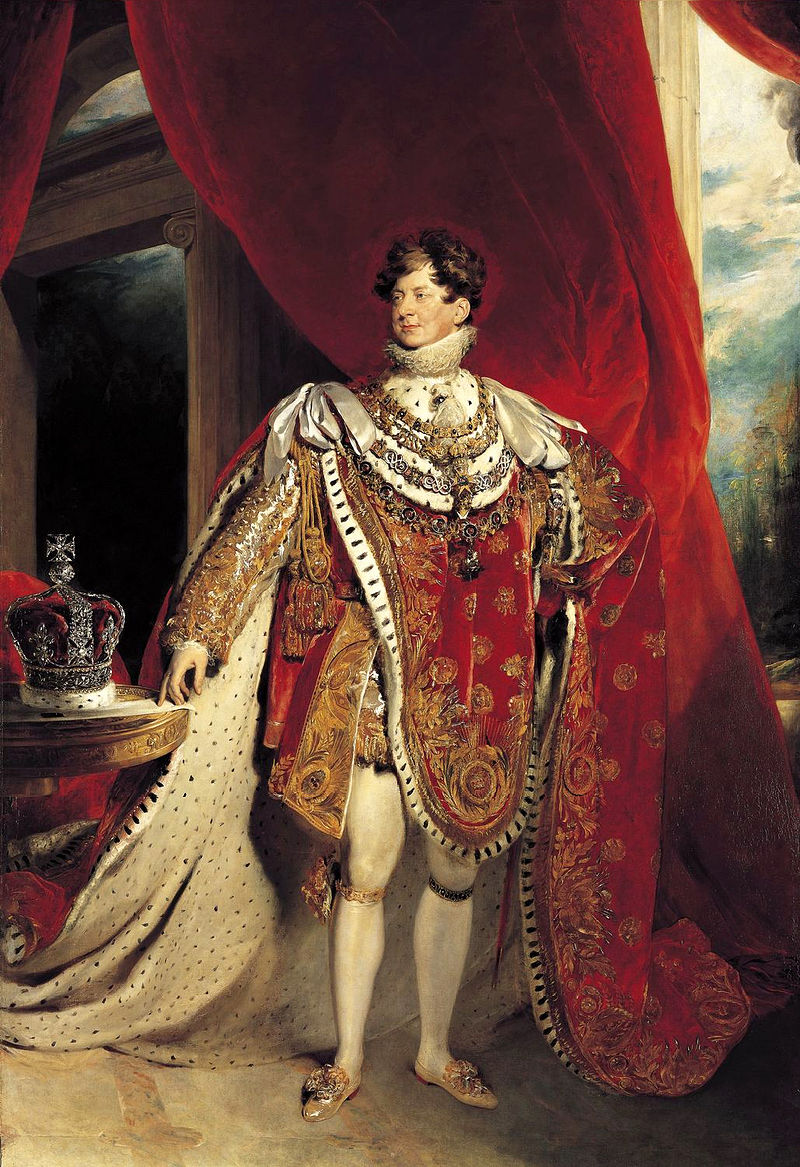
King George IV of the United Kingdom, born on August 12, 1762, in London, was a monarch whose life and reign were marked by both grandeur and controversy. Ascending to the throne in 1820 after serving as Prince Regent during his father King George III’s periods of mental illness, George IV’s tenure as king was characterized by a mixture of political conservatism, personal excess, and significant contributions to British culture and architecture. This article provides an in-depth look into the life of George IV, examining his age at key moments, the factors that shaped his fame, and the most significant highlights of his life and reign.
Early Life and Prince of Wales
George Augustus Frederick was the eldest son of King George III and Queen Charlotte of Mecklenburg-Strelitz. His early life was shaped by the strict and often stifling environment of the royal court, where his education was overseen by private tutors who emphasized discipline and duty. However, young George rebelled against this rigid upbringing, developing a reputation for extravagance and indulgence that would follow him throughout his life.
As the Prince of Wales, George quickly became known for his lavish lifestyle and his involvement in the social and political circles of the time. He aligned himself with the Whigs, a political faction that advocated for greater parliamentary power and was often in opposition to his father’s Tory government. This alignment was not only a political statement but also a reflection of his desire to distance himself from the conservative values of his father.
Secret Marriage and Scandal
One of the most scandalous events in George’s early life was his secret marriage to Maria Anne Fitzherbert, a Catholic widow, on December 15, 1785. The marriage was conducted without the knowledge or approval of his father, King George III, and violated the Royal Marriages Act of 1772, which required members of the royal family to obtain the king’s consent before marrying. The marriage was deemed legally invalid, but it nonetheless caused a significant scandal and threatened George’s position as heir to the throne.
Despite this, George maintained a long-standing relationship with Maria Fitzherbert, even as he was compelled to enter into a formal marriage with Princess Caroline of Brunswick in 1795. This marriage was unhappy from the start, marred by mutual dislike and public disputes, and eventually led to a highly publicized and contentious separation.
The Regency Era
The Regency Era, which began in 1811 when George became Prince Regent due to his father’s mental incapacity, is one of the most culturally significant periods in British history. As Prince Regent, George IV effectively ruled the country in place of his father, though he did not officially become king until his father’s death in 1820.
During this period, George IV oversaw a flourishing of the arts, architecture, and fashion that came to define the Regency style. He was a great patron of the arts and played a pivotal role in the development of some of London’s most iconic landmarks, including the Royal Pavilion in Brighton and the remodeling of Buckingham Palace. His love for architecture and design left a lasting legacy that continues to influence British cultural heritage.
Politically, the Regency was marked by the ongoing Napoleonic Wars, which saw Britain locked in a protracted conflict with France. Under George’s regency, the British government, led by the Tory party, pursued a policy of steadfast opposition to Napoleon, culminating in the French emperor’s defeat at the Battle of Waterloo in 1815. This victory cemented Britain’s status as a dominant global power and secured George IV’s place in history as a leader during one of the nation’s most challenging periods.
Ascension to the Throne
George IV officially became king on January 29, 1820, following the death of his father, King George III. His coronation, held on July 19, 1821, was one of the most extravagant in British history, reflecting his love for opulence and grandeur. However, his reign as king was short-lived and fraught with difficulties.
One of the most notable aspects of George IV’s reign was his strained relationship with his estranged wife, Queen Caroline. Their marriage, which had been tumultuous from the start, became a national scandal when Caroline returned to England to claim her rights as queen. George IV attempted to divorce her, leading to the infamous “Queen Caroline Affair,” which captivated the nation and severely damaged his reputation. The public largely sympathized with Caroline, viewing her as a wronged woman, while George IV was widely criticized for his treatment of her.
The queen’s sudden death in 1821, just weeks after the coronation, fueled rumors of foul play, with many suspecting that George IV had a hand in her demise. These suspicions only further tarnished the king’s image, contributing to a growing sense of public disillusionment with the monarchy.
Contributions to British Culture
Despite his personal flaws and the controversies that surrounded his reign, George IV made significant contributions to British culture, particularly in the realms of art, architecture, and fashion. His passion for the arts led him to amass an impressive collection of paintings, sculptures, and other works of art, many of which now form part of the Royal Collection.
George IV was also instrumental in the development of several key architectural projects. His most famous legacy is perhaps the Royal Pavilion in Brighton, a stunning example of Regency architecture with its distinctive Indian and Chinese influences. He also commissioned the construction of the Marble Arch and the remodeling of Buckingham Palace, which he intended to serve as the principal royal residence.
The king’s influence extended to fashion as well. The Regency style, characterized by its elegance and simplicity, reflected George IV’s personal tastes and had a lasting impact on British fashion. The high-waisted Empire silhouette, popular during this period, remains a defining feature of Regency-era clothing.
Political Challenges and Reforms
George IV’s reign was marked by several significant political challenges, including growing demands for reform and greater political representation. The most pressing issue was the question of Catholic emancipation, which sought to remove the legal restrictions on Catholics holding public office and practicing their religion freely. This issue had been a point of contention for decades, and George IV’s staunch opposition to it reflected his conservative views.
However, by the late 1820s, the political climate had shifted, and there was increasing pressure on the government to pass the Catholic Emancipation Act. Despite his personal reservations, George IV was ultimately persuaded by his prime minister, the Duke of Wellington, to give his royal assent to the act in 1829. This decision was a significant milestone in the struggle for religious freedom in Britain, although it did little to improve George IV’s standing with the public.
The Final Years and Legacy
The final years of George IV’s life were marked by declining health and increasing isolation. His once-vibrant personality had faded, and he became reclusive, spending much of his time at Windsor Castle. He suffered from a range of ailments, including gout, obesity, and possibly porphyria, the same condition that had afflicted his father.
George IV died on June 26, 1830, at the age of 67, ending a reign that had been as controversial as it was impactful. He was succeeded by his younger brother, William IV, who inherited a monarchy that had been significantly weakened by George IV’s excesses and scandals.
Historical Context and Nuances
To fully understand George IV’s life and reign, it is essential to place him within the broader historical context of early 19th-century Britain. The period was one of significant social, political, and economic change, marked by the aftermath of the Napoleonic Wars, the Industrial Revolution, and the growing demand for political reform.
George IV’s reign occurred during a time when the role of the monarchy was increasingly being questioned. The power of the king had been steadily diminishing since the Glorious Revolution of 1688, and by the time George IV ascended to the throne, the British monarchy was largely ceremonial, with real political power residing in Parliament. George IV’s reign highlighted the tensions between the traditional authority of the monarchy and the evolving democratic principles that were beginning to take root in Britain.
Moreover, George IV’s personal life and his penchant for luxury and excess reflected the broader cultural trends of the Regency period. This was a time of great social change, with the rise of a new middle class that was increasingly influential in both politics and culture. George IV’s patronage of the arts and architecture helped to shape the cultural landscape of the time, even as his personal behavior often clashed with the values of this emerging middle class.
Conclusion: The Enduring Impact of King George IV
King George IV’s reign was a complex and multifaceted chapter in British history. While he is often remembered for his personal flaws and the scandals that surrounded his life, it is important not to overlook the significant contributions he made to British culture and the lasting impact of his architectural and artistic legacy.
Despite his controversial reign, George IV played a pivotal role in shaping the cultural identity of Britain during the early 19th century. His patronage of the arts, his influence on fashion, and his architectural projects have left an indelible mark on British history. At the same time, his reign serves as a cautionary tale about the dangers of excess and the challenges of leadership during a time of significant change.
Today, George IV is remembered as a monarch who was as flawed as he was influential, a ruler whose life and reign continue to fascinate historians and the public alike. His legacy is a testament to the complexities of monarchy and the enduring power of personal influence in shaping the course of history.


