
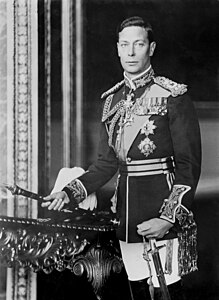
King George VI of the United Kingdom, born Albert Frederick Arthur George Windsor on December 14, 1895, at Sandringham House in Norfolk, England, was a monarch who led Britain through one of its most challenging periods. His life and reign were marked by personal struggles, including a speech impediment, and significant global events such as World War II. Despite these challenges, George VI emerged as a beloved and steadfast leader who played a crucial role in maintaining British morale during the war and overseeing the transition of the British Empire into the modern Commonwealth. This article delves into the age, fame, and life highlights of King George VI, providing detailed insights into his legacy and the historical context in which he lived.
Early Life and Education
Born during the reign of his great-grandmother, Queen Victoria, George VI was the second son of the future King George V and Queen Mary. In his family, he was affectionately known as “Bertie.” His early years were marked by a strict upbringing and a rigorous education that emphasized discipline, duty, and service to the nation. However, young Albert struggled academically, ranking last in his class at the Royal Naval College in Osborne and later at Dartmouth.
Despite these challenges, George VI entered the Royal Navy in 1913, just before the outbreak of World War I. He served with distinction during the war, although his time in the Navy was cut short due to health issues. In 1919, he attended Trinity College, Cambridge, where he studied history, economics, and civil law, further preparing him for the responsibilities of royal life.
Marriage and Family Life
In 1923, at the age of 28, Prince Albert married Lady Elizabeth Bowes-Lyon, a union that marked a significant departure from royal tradition. Unlike many of his predecessors, who married within royal families, Albert’s marriage to Elizabeth was based on mutual affection and choice, making it a symbol of modernization within the British monarchy. The couple had two daughters, Elizabeth (the future Queen Elizabeth II) and Margaret.
Elizabeth Bowes-Lyon, who became the Duchess of York, played a crucial role in supporting her husband throughout his life. She helped him overcome his debilitating stammer, which was a significant challenge for someone in his position. With the assistance of Australian speech therapist Lionel Logue, Albert worked tirelessly to improve his speech. His efforts culminated in a successful public address at the opening of the Australian Parliament in 1927, an event that was later dramatized in the 2010 Oscar-winning film “The King’s Speech.”
Accession to the Throne
George VI never expected to become king. His elder brother, Edward VIII, was the heir apparent, and Albert was content to support his brother while focusing on his family and duties as the Duke of York. However, the abdication crisis of 1936 changed the course of his life. Edward VIII’s decision to abdicate the throne to marry Wallis Simpson, an American divorcée, thrust Albert into the role of monarch.
Reluctantly, Albert accepted the crown, becoming King George VI on May 12, 1937. His coronation was the first to be broadcast live on radio, allowing millions of people around the world to experience the event in real-time. This momentous occasion marked the beginning of a reign that would be defined by war, resilience, and the eventual transformation of the British Empire.
The Challenge of World War II
One of the most defining periods of George VI’s reign was World War II. As Britain faced the threat of Nazi Germany, the king became a symbol of national unity and determination. Unlike some of his advisors who suggested he seek refuge in Canada, George VI and Queen Elizabeth chose to remain in London, sharing the hardships of their people. Their presence in the capital, even during the worst of the Blitz, was a powerful statement of solidarity and courage.
Throughout the war, George VI worked closely with his prime ministers, Neville Chamberlain and later Winston Churchill, to support the war effort. His broadcasts to the nation, including his famous Christmas messages, played a crucial role in bolstering the morale of the British people. These speeches, delivered with increasing confidence despite his speech impediment, demonstrated his deep commitment to his country and his role as a wartime leader.
In 1940, when Churchill became prime minister, the relationship between the monarch and his government was put to the test. However, George VI’s steadfast support for Churchill and his government helped to solidify the “special relationship” between the British monarchy and the wartime leadership. This partnership was instrumental in guiding Britain through the darkest days of the conflict and towards eventual victory.
Post-War Britain and the Commonwealth
The end of World War II in 1945 marked a period of significant change for Britain and the British Empire. The war had taken a tremendous toll on the nation’s resources and global influence. George VI played a key role in the post-war recovery, supporting efforts to rebuild the economy and society. His leadership during this time helped to restore public confidence and set the stage for Britain’s transformation in the second half of the 20th century.
One of the most significant developments during George VI’s reign was the transition of the British Empire into the Commonwealth of Nations. This process, which had begun in the early 20th century, accelerated after the war as former colonies sought independence. The king’s role in this transition was critical; he recognized the need for change and supported the peaceful decolonization of British territories.
In 1947, India, the jewel in the crown of the British Empire, gained independence, leading to the partition of India and Pakistan. George VI was the last Emperor of India, and his abdication of the title in favor of the more symbolic role of Head of the Commonwealth marked the end of an era. The creation of the Commonwealth reflected a new vision for Britain’s relationship with its former colonies—a partnership based on shared values and mutual respect rather than imperial dominance.
Health Struggles and Decline
The strain of leading Britain through the war and the subsequent challenges of the post-war period took a severe toll on George VI’s health. A lifelong heavy smoker, he developed lung cancer and arteriosclerosis, which significantly weakened him in the final years of his life. In September 1951, he underwent surgery to remove part of his lung, but his health continued to deteriorate.
Despite his declining health, George VI remained dedicated to his duties as king. In January 1952, against the advice of his doctors, he insisted on traveling to the airport to see off his daughter, Princess Elizabeth, who was embarking on a tour of Australia and Kenya. This would be the last time the two would see each other, as George VI passed away on February 6, 1952, at the age of 56, from a coronary thrombosis. His death marked the end of an era, and his daughter ascended the throne as Queen Elizabeth II.
Legacy of King George VI
King George VI’s reign is remembered for its resilience in the face of adversity and its pivotal role in shaping the modern British monarchy. Despite the challenges he faced—both personal and political—George VI emerged as a symbol of stability and continuity during a time of immense change.
His legacy is perhaps best reflected in the enduring strength of the Commonwealth, which continues to be a vital international organization promoting democracy, human rights, and economic development. George VI’s support for the peaceful transition of power in former colonies laid the groundwork for a more equitable and cooperative relationship between Britain and the nations of the Commonwealth.
In addition to his contributions to global diplomacy, George VI’s personal journey of overcoming his speech impediment and his role as a wartime leader have left a lasting impact on the British public. His story, as portrayed in “The King’s Speech,” has inspired countless people worldwide, highlighting the importance of perseverance, humility, and service.
Historical Context and Nuances
To fully appreciate the significance of George VI’s reign, it is important to consider the broader historical context in which he lived. The early 20th century was a period of profound social, political, and economic change, with the decline of traditional monarchies and the rise of new ideologies and movements.
George VI’s reign saw the final stages of the British Empire’s decline and the emergence of the Commonwealth as a new model of international cooperation. This transition was not without its challenges, as the process of decolonization was often fraught with tension and conflict. However, George VI’s steady leadership helped to navigate these turbulent times, ensuring that Britain remained a respected and influential global power.
Moreover, George VI’s personal experiences—his struggle with his speech impediment, his unexpected ascension to the throne, and his role as a wartime leader—reflect the complexities and demands of modern leadership. His ability to overcome these challenges and fulfill his duties with dignity and grace serves as a powerful example of the resilience and adaptability required of leaders in times of crisis.
Conclusion: The Enduring Impact of King George VI
King George VI’s reign was a pivotal period in British history, marked by war, decolonization, and the transformation of the British Empire into the Commonwealth of Nations. His leadership during World War II, his support for the post-war recovery, and his role in guiding the peaceful transition of power in former colonies have left an indelible mark on the world.
Despite his personal challenges, George VI’s dedication to his country and his people earned him the respect and admiration of those he served. His legacy lives on not only through his daughter, Queen Elizabeth II, but also in the values and principles that continue to guide the British monarchy and the Commonwealth today.
As history continues to evaluate the reign of George VI, it is clear that his contributions to the modern world extend far beyond the events of his time. He remains a symbol of resilience, leadership, and service, qualities that are as relevant today as they were during his lifetime.


