
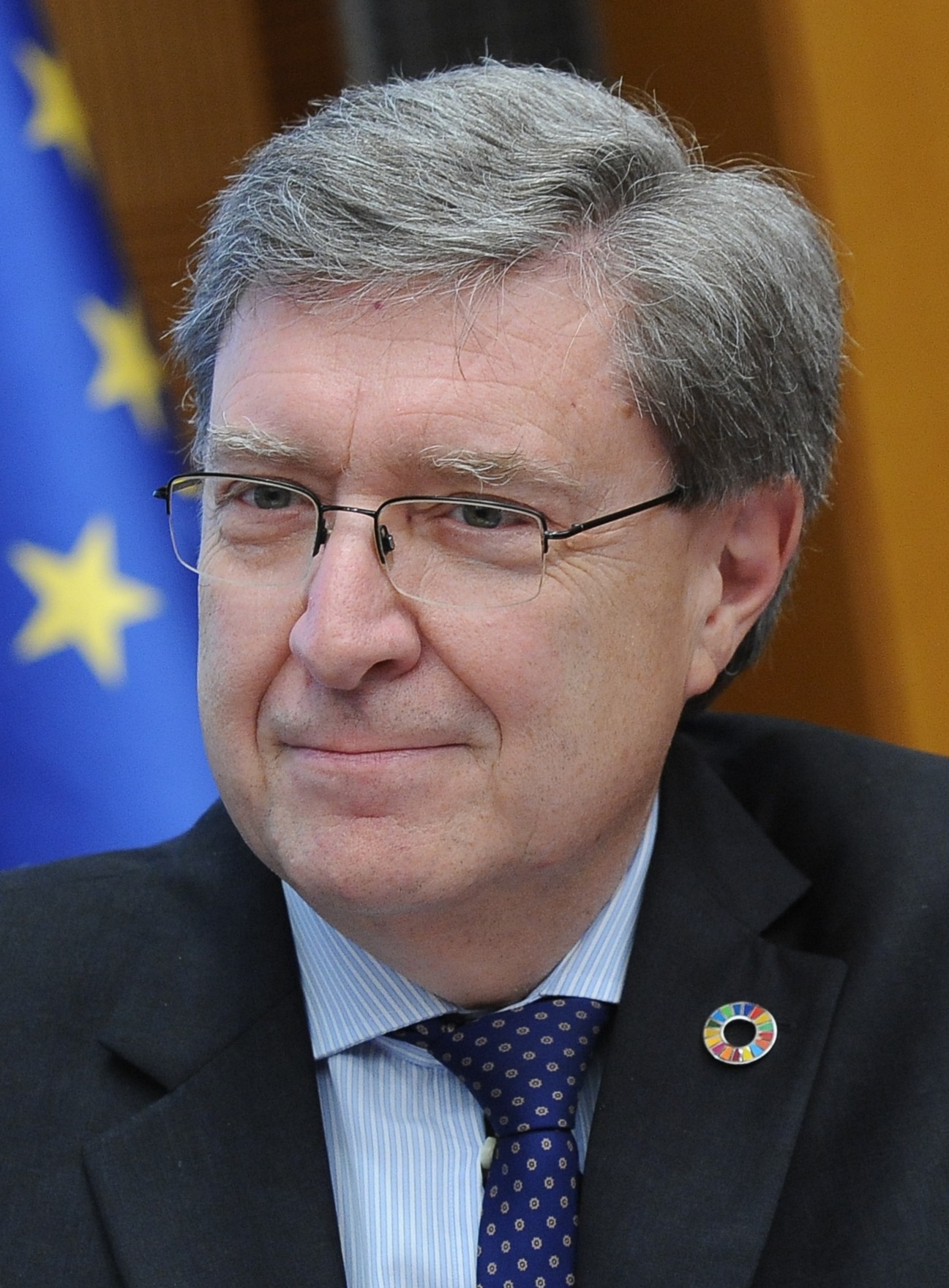
Enrico Giovannini is a prominent Italian economist, statistician, and public servant who has made significant contributions to the fields of statistics, economics, and public policy. With a career that spans several decades, Giovannini has held key positions in both national and international organizations, shaping policies that have had a lasting impact on economic development, social well-being, and environmental sustainability. This article delves into the life of Enrico Giovannini, exploring his journey from academia to public service, his key achievements, and the influence he continues to wield in global economic and social policy.
Early Life and Education
Enrico Giovannini was born on June 6, 1957, in Rome, Italy. His early life in the capital city exposed him to the rich cultural and intellectual environment of Italy, which would later influence his academic and professional pursuits. Giovannini’s passion for numbers and societal development led him to pursue a degree in Economics and Commerce at Sapienza University of Rome, one of Italy’s oldest and most prestigious universities. In 1981, he graduated with honors, presenting a thesis titled “Technologies and Factor Combinations in Developing Countries,” which reflected his early interest in the intersection of technology, economics, and social progress.
Career Beginnings at ISTAT
Following his graduation, Giovannini began his professional career at ISTAT, Italy’s National Institute of Statistics, in 1982. As a researcher, he focused on economic analysis and national accounting, laying the foundation for his future work in the field of statistics. His dedication and expertise quickly earned him recognition, and by 1989, he had become a member of the Italian Statistical Society. His early work at ISTAT involved pioneering efforts in economic modeling and statistical analysis, which would later influence national policy-making.
In 1989, Giovannini took on a new role at the National Institute for Economic and Social Research (ISCO), where he served as a research director. Here, he expanded his expertise to include financial and monetary analysis, providing critical insights during a period of significant economic challenges in Italy and Europe. His work at ISCO further solidified his reputation as a leading economist and statistician in Italy.
Return to ISTAT and International Influence
Giovannini returned to ISTAT in the early 1990s, where he published his first book, “Public Needs, Monetary Policy, and Financial Markets,” which addressed the complex relationship between government needs and financial markets. In 1993, he was appointed head of the Department of Economic Analysis and National Accounts at ISTAT, where he was responsible for some of the most critical aspects of Italy’s statistical system. His leadership in this role helped modernize ISTAT’s approach to economic statistics, making it more responsive to the needs of policymakers and the public.
By 1997, Giovannini had risen to the position of Director of the Department of Economic Statistics at ISTAT, a role he held until 2000. His work during this period was instrumental in establishing ISTAT as a leading statistical organization in Europe. In 2001, Giovannini’s expertise was recognized on the international stage when he joined the Organisation for Economic Co-operation and Development (OECD) in Paris as the Director of the Statistics Directorate and Chief Statistician. This position allowed him to influence global statistical standards and practices, leading to reforms that were adopted by other major international organizations such as UNESCO, the International Monetary Fund (IMF), and the United Nations (UN).
The 2000s: Academic and Professional Milestones
In 2002, Enrico Giovannini was appointed as a full professor at the University of Rome Tor Vergata, where he taught Economic Statistics. His academic work during this period included organizing the first World Forum on “Statistics, Knowledge, and Policy” in 2004. This forum was pivotal in launching the “Global Project on Measuring the Progress of Societies,” a research initiative aimed at developing key indicators to measure social, economic, and environmental progress globally. The project sought to improve decision-making in both the public and private sectors by providing a more comprehensive understanding of societal well-being beyond traditional economic measures like GDP.
Giovannini’s academic contributions were further recognized with the publication of several books, including “Economic Statistics” (2006) and “Understanding Economic Statistics” (2008). His work was not only influential in academic circles but also in policy-making, as it provided the tools and frameworks necessary for a more holistic approach to measuring progress in modern societies.
In 2009, Giovannini was appointed President of ISTAT, a position he held until 2013. His leadership at ISTAT was marked by efforts to modernize the organization and enhance its role in Italian society. Under his guidance, ISTAT became more transparent and accessible to the public, and its data became a crucial resource for both policymakers and citizens. During his tenure, he also received several accolades, including the Gold Medal of the President of the Republic from the International Pio Manzù Center in 2010 for his work on measuring societal well-being.
The 2010s: Public Service and Policy Influence
The 2010s marked a significant shift in Giovannini’s career as he transitioned from academic and statistical work to public service. In 2011, he was elected President of the Conference of European Statisticians, a body under the United Nations Economic Commission for Europe. His role involved coordinating statistical efforts across Europe, ensuring that data collection and analysis were consistent and reliable, contributing to better policy-making across the continent.
In March 2013, Giovannini was selected by President Giorgio Napolitano to be part of a group of ten “wise men” tasked with identifying solutions to Italy’s institutional and economic crisis. This appointment underscored his expertise and the high regard in which he was held in both political and academic circles. Just a month later, in April 2013, he was appointed Minister of Labor and Social Policies in the government of Prime Minister Enrico Letta. As minister, Giovannini focused on addressing unemployment, particularly among youth, and promoting labor market reforms aimed at improving job security and social welfare.
During his tenure as Minister, Giovannini implemented several key initiatives aimed at reducing unemployment and improving the efficiency of Italy’s labor market. He advocated for policies that balanced economic growth with social equity, reflecting his longstanding commitment to promoting well-being through informed policy decisions. His work in the ministry was characterized by a data-driven approach, leveraging his deep knowledge of statistics to craft policies that were both effective and sustainable.
The 2020s: Continued Leadership and Influence
Enrico Giovannini’s influence continued into the 2020s. In February 2021, he was appointed Minister of Infrastructure and Transport in the government led by Prime Minister Mario Draghi. This role was particularly significant given the challenges posed by the COVID-19 pandemic, which required innovative solutions to rebuild Italy’s infrastructure and transportation systems. Giovannini’s appointment to this critical position reflected his reputation as a problem-solver with a deep understanding of both economic and social issues.
As Minister of Infrastructure and Transport, Giovannini focused on modernizing Italy’s infrastructure, promoting sustainable development, and improving the country’s transportation networks. His work emphasized the importance of integrating environmental sustainability into infrastructure projects, aligning with global efforts to combat climate change. Under his leadership, Italy made significant strides in promoting green infrastructure and sustainable mobility, positioning the country as a leader in these areas.
Giovannini’s role in the Draghi government also involved overseeing the implementation of projects funded by the European Union’s Recovery and Resilience Facility, which was established to help member states recover from the economic impact of the pandemic. His leadership was instrumental in ensuring that these funds were used effectively to promote long-term economic growth and resilience.
Legacy and Ongoing Impact
Enrico Giovannini’s career is a testament to the power of statistics and informed decision-making in shaping public policy. His work has had a profound impact on both national and international levels, influencing everything from economic policy to social welfare and environmental sustainability. His commitment to using data to drive progress has made him a respected figure in academic, governmental, and international circles.
Giovannini’s legacy includes his contributions to the development of global standards for measuring societal progress, his leadership in modernizing Italy’s statistical system, and his role in shaping labor and infrastructure policies in Italy. His work continues to inspire future generations of economists, statisticians, and policymakers, demonstrating the critical importance of evidence-based decision-making in addressing the complex challenges of the modern world.
Conclusion
Enrico Giovannini’s life and career exemplify the impact that a dedicated economist and statistician can have on society. From his early days at ISTAT to his leadership roles in government and international organizations, Giovannini has consistently worked to promote well-being and progress through informed policy decisions. His contributions to the fields of statistics, economics, and public policy have left a lasting legacy that will continue to influence the world for years to come.


