
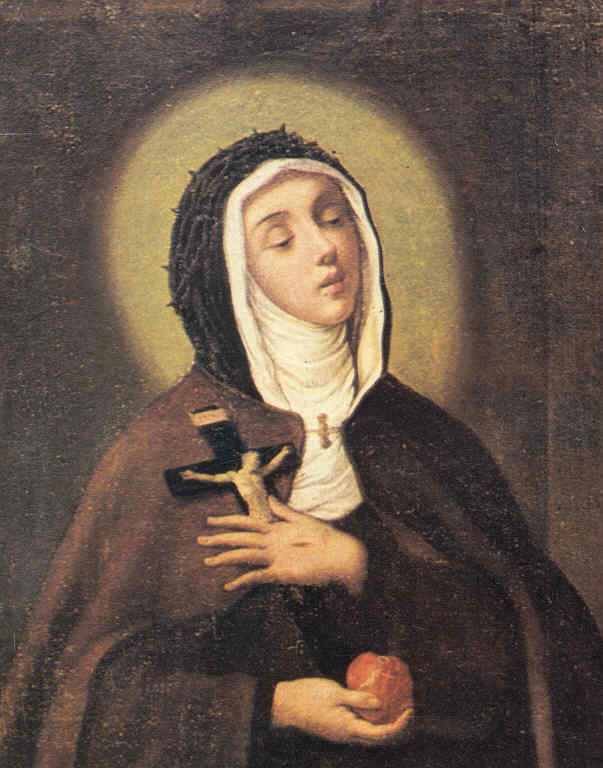
Veronica Giuliani, a figure who transcends the ordinary boundaries of religious devotion, is a saint whose life was marked by extraordinary spiritual experiences, profound suffering, and a deep, unwavering love for God. Born on December 27, 1660, in Mercatello sul Metauro, in the Marche region of Italy, Veronica’s life and legacy have left an indelible mark on the Catholic Church. This article delves into the life of Veronica Giuliani, exploring her age, rise to spiritual fame, and the key highlights that define her unique journey.
Early Life and Spiritual Awakening
Veronica Giuliani, originally named Orsola Giuliani, was born into a deeply religious family. Her upbringing was steeped in the Catholic faith, with a household atmosphere characterized by prayer, spiritual exercises, and a focus on sacrifice and suffering as pathways to divine connection. This early environment profoundly shaped Veronica’s spiritual consciousness.
The impact of her mother’s death in 1667, when Veronica was just seven years old, played a significant role in her spiritual formation. Her mother, on her deathbed, symbolically left each of her five daughters with the wounds of Christ, assigning Veronica the wound in the side. This mystical gesture deeply influenced Veronica, who, from a young age, began to experience a profound and tangible sense of the sacred in her life.
Veronica’s childhood was marked by vivid spiritual visions. She reported seeing the infant Jesus, with whom she interacted as one would with a playmate. These encounters were not just simple visions; they were deeply personal and filled with a sense of divine intimacy. She described moments of feeding the Christ child, seeking his affection, and even offering herself as a motherly figure by attempting to nurse him. These early mystical experiences set the stage for a life devoted entirely to spiritual pursuits.
The Call to Religious Life
By the age of 12, Veronica had moved with her father to Piacenza, where she quickly became known for her beauty, talents, and strong character. Despite the attention she received from numerous suitors, Veronica remained steadfast in her commitment to Christ, whom she referred to as her “promised spouse.” In a poignant gesture that symbolized her devotion, she would show her suitors an image of Christ, declaring him as her true love and intended husband.
In 1677, at the age of 17, Veronica entered the Capuchin Poor Clares convent in Città di Castello, a decision that would define the rest of her life. Upon taking her vows, she took the name Veronica, in honor of St. Veronica, who is remembered for wiping the face of Jesus on his way to Calvary. This act of compassion and courage resonated deeply with Giuliani, who would spend her life emulating such selfless devotion.
Mystical Experiences and Suffering
Veronica Giuliani’s life as a nun was marked by intense mystical experiences, many of which brought her under scrutiny from both her fellow nuns and the Church authorities. She was known for her extreme acts of penance and self-mortification, practices that she believed brought her closer to Christ. Veronica engaged in frequent and severe self-flagellation, and she reported receiving the stigmata—the five wounds of Christ—on her own body.
These mystical experiences, coupled with her intense ascetic practices, led to suspicion and investigation by the Church. Veronica was subjected to various tests and inquiries by the Inquisition, which at times treated her with extreme harshness. Between 1703 and 1714, she was forbidden from communicating with the outside world and was even accused of being a witch or possessed by demons. Despite these accusations, Veronica remained resolute in her faith, enduring the trials with a sense of divine purpose.
One of the more extreme episodes during this period of scrutiny involved her being forced to consume insects as a form of punishment. These trials, however, only seemed to deepen her mystical experiences and her conviction that suffering was essential to spiritual purification and union with God.
A Life of Divine Love
Veronica Giuliani’s spiritual journey was characterized by what she described as “flights of love”—moments of intense spiritual ecstasy that lifted her beyond the ordinary experiences of the world. Her life was a continuous movement towards God, with every action, thought, and breath dedicated to the divine.
Her fellow nuns often witnessed Veronica in states of rapture, sometimes seeing her running through the convent gardens or climbing trees in ecstatic love for God. One such instance involved her climbing a pear tree in the convent orchard, where she cried out her desire to suffer for the love of Christ, declaring that such suffering was the path to salvation. These public displays of devotion were seen by some as signs of her sanctity, while others viewed them with suspicion or even fear.
Despite being almost illiterate, Veronica was compelled to document her spiritual experiences in writing. Over the years, she produced an extensive body of work that detailed her visions, mystical encounters, and theological reflections. These writings, although often unpolished and lacking formal structure, are rich with insights into her inner spiritual life and her understanding of divine love. They provide a window into the soul of a woman entirely consumed by her desire to be united with God.
Legacy and Canonization
Veronica Giuliani’s life was one of extraordinary devotion and profound mystical experiences, but it was also one marked by great suffering and sacrifice. She lived out her final years in the convent, continuing her rigorous practices of penance and devotion until her death on July 9, 1727, at the age of 66.
After her death, Veronica’s reputation for holiness grew, and many people began to venerate her as a saint. Her writings were examined by the Church, and while they were recognized for their spiritual depth, they also reflected the intense and sometimes troubling nature of her mystical experiences.
In 1804, Veronica Giuliani was beatified by Pope Pius VII, and she was canonized as a saint by Pope Gregory XVI in 1839. Her life and writings continue to inspire those who seek to understand the depths of Christian mysticism and the power of divine love. Her feast day is celebrated on July 9, the anniversary of her death.
Conclusion: Veronica Giuliani – A Saint of Mystical Love
Veronica Giuliani’s life is a testament to the transformative power of divine love and the profound impact that such love can have on a person’s life. Her experiences as a mystic, marked by both intense joy and suffering, reveal the complexities of spiritual life and the often difficult path to union with God.
Her legacy as a saint is one that continues to inspire countless individuals who seek a deeper understanding of their faith and a closer relationship with the divine. Veronica Giuliani’s story is not just one of religious devotion; it is a story of a soul’s relentless pursuit of divine love, a pursuit that transcended the ordinary and led to a life of extraordinary sanctity.


