
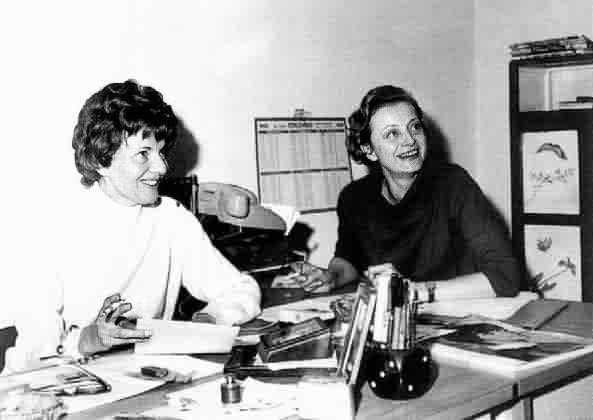
Angela Giussani is a name that stands out in the world of Italian comic books, most notably as the co-creator of Diabolik, one of the most iconic characters in European pop culture. Angela, along with her sister Luciana, transformed the landscape of Italian comics, introducing a new genre that combined elements of noir, crime, and psychological depth. This article explores the life, achievements, and lasting impact of Angela Giussani, a pioneering woman in an industry traditionally dominated by men.
Early Life and Background
Angela Giussani was born on June 10, 1922, in Milan, Italy. Growing up in a culturally rich environment, she developed a keen interest in literature and the arts. Her upbringing in Milan, a city that was a hub of creativity and innovation, undoubtedly influenced her future endeavors in the world of publishing and comics.
Before venturing into the world of comics, Angela had a brief career as a model, a profession that was quite popular in the post-war era. Her work in modeling exposed her to the world of fashion, media, and publishing, and it was during this time that she met Gino Sansoni, a prominent publisher. In 1946, Angela married Sansoni and began working at his publishing house, where she was involved in editing a series of books for young readers.
Entry into Publishing and Creation of Astorina
Angela Giussani’s experience in the publishing world at her husband’s company laid the groundwork for her future success. However, her ambitions soon led her to pursue her own projects. Angela left the Astoria publishing house and, with the financial backing of her severance pay, founded her own publishing company, Astorina, in 1961.
Astorina’s initial foray into the comic book market was not an immediate success. Angela first attempted to publish a comic featuring the adventures of a boxer named Big Ben Bolt, which was an adaptation of an American comic strip. Unfortunately, this venture lasted only two years and did not achieve the success Angela had hoped for. However, this setback did not deter her; instead, it set the stage for her most significant creation.
The Birth of Diabolik
The inspiration for Diabolik came from an unexpected source. According to accounts, Angela found a copy of a Fantômas novel—a French crime series featuring a master criminal—on a train. This discovery sparked the idea for a character that would become one of the most enduring and popular figures in Italian comics.
On November 1, 1962, the first issue of Diabolik was published. The character was unlike any other in the Italian comic book scene at the time. Diabolik was an anti-hero, a master thief, and a master of disguise who operated in the shadows. His stories were marked by suspense, intricate plots, and a level of psychological complexity that was new to the genre. Angela herself wrote the storylines, bringing her vision of a dark, morally ambiguous world to life.
The format of the Diabolik comics was also innovative. Angela chose a pocket-sized format, making the comics easy to carry and read anywhere. This decision contributed significantly to the comic’s widespread popularity, as it was accessible to a broad audience. The first issue was an immediate success, and Diabolik quickly became a cultural phenomenon.
The Impact and Legacy of Diabolik
Diabolik did more than just entertain; it revolutionized the Italian comic book industry. The success of the character led to the creation of an entire genre known as fumetti neri (black comics), characterized by its dark themes, anti-hero protagonists, and noir-inspired storytelling. The fumetti neri genre became a significant part of Italian pop culture in the 1960s and 1970s, influencing not only other comic books but also films, television, and fashion.
Angela Giussani’s creation of Diabolik was groundbreaking in many ways. First, it challenged the traditional norms of comic book storytelling by introducing a complex, morally ambiguous character as the protagonist. Diabolik was not a hero in the traditional sense; he was a criminal, and yet, readers were drawn to his charisma, intelligence, and the thrill of his escapades. The character’s relationship with his partner, Eva Kant, added a layer of sophistication and intrigue that was rare in comics at the time.
The visual style of Diabolik was also distinctive. The comics were often set against a backdrop of modernist architecture and luxurious settings, reflecting the zeitgeist of the 1960s. The use of stark black-and-white imagery contributed to the comic’s noir aesthetic, creating a sense of suspense and drama that kept readers hooked.
Collaboration with Luciana Giussani
While Angela was the driving force behind the creation of Diabolik, her sister Luciana Giussani soon joined her in running Astorina. The partnership between the two sisters was one of the key factors behind the long-lasting success of the comic. Luciana brought her own talents to the project, helping to manage the business side of the publishing house and contributing to the creative process.
The collaboration between Angela and Luciana was unique in the male-dominated world of comic books. Together, they created a successful brand that not only dominated the Italian market but also gained international recognition. The sisters’ work paved the way for future generations of female creators in the comic book industry, demonstrating that women could excel and innovate in this field.
Challenges and Controversies
Despite its success, Diabolik was not without controversy. The comic’s dark themes and portrayal of a criminal protagonist led to criticism from conservative circles, who accused the Giussani sisters of promoting immoral behavior. There were calls for censorship, and the comic was sometimes seen as a corrupting influence on young readers.
However, Angela Giussani defended her work, arguing that Diabolik was a form of artistic expression that reflected the complexities of human nature. She believed that the stories she created were not just about crime, but about the human condition, the choices people make, and the consequences of those choices. This perspective resonated with many readers, who saw Diabolik not as a glorification of crime, but as a sophisticated exploration of moral ambiguity.
The controversy surrounding Diabolik only added to its allure, making it even more popular among readers who were drawn to its edgy, subversive content. The comic’s ability to provoke thought and discussion was one of the reasons it became such a significant cultural touchstone.
The Later Years and Angela’s Legacy
Angela Giussani continued to work on Diabolik until her death on February 10, 1987, in Milan. By the time of her passing, Diabolik had become an institution in Italian popular culture, with hundreds of issues published and millions of copies sold. The character’s legacy extended far beyond the pages of the comics, influencing other media, including films, television series, and a wide range of merchandise.
After Angela’s death, her sister Luciana continued to oversee the production of Diabolik, ensuring that the comic remained true to the vision they had created together. The enduring popularity of Diabolik is a testament to Angela Giussani’s creativity, innovation, and her ability to tap into the cultural zeitgeist of her time.
Conclusion
Angela Giussani was more than just a comic book creator; she was a visionary who reshaped the Italian comic book industry and left a lasting impact on popular culture. Her creation, Diabolik, remains one of the most iconic and influential characters in European comics, and its success paved the way for a new genre that continues to inspire creators today.
Angela’s work with her sister Luciana demonstrated the power of collaboration and the importance of perseverance in the face of challenges. Together, they broke new ground in a male-dominated industry, creating a legacy that continues to resonate with readers around the world.
As we look back on Angela Giussani’s life and career, it is clear that her contributions to the world of comics were not just significant in their time, but continue to influence the way we think about storytelling, character development, and the role of women in creative industries. Angela Giussani’s legacy is one of innovation, creativity, and a deep understanding of the human psyche—a legacy that will continue to inspire future generations of storytellers.


