
Introduction
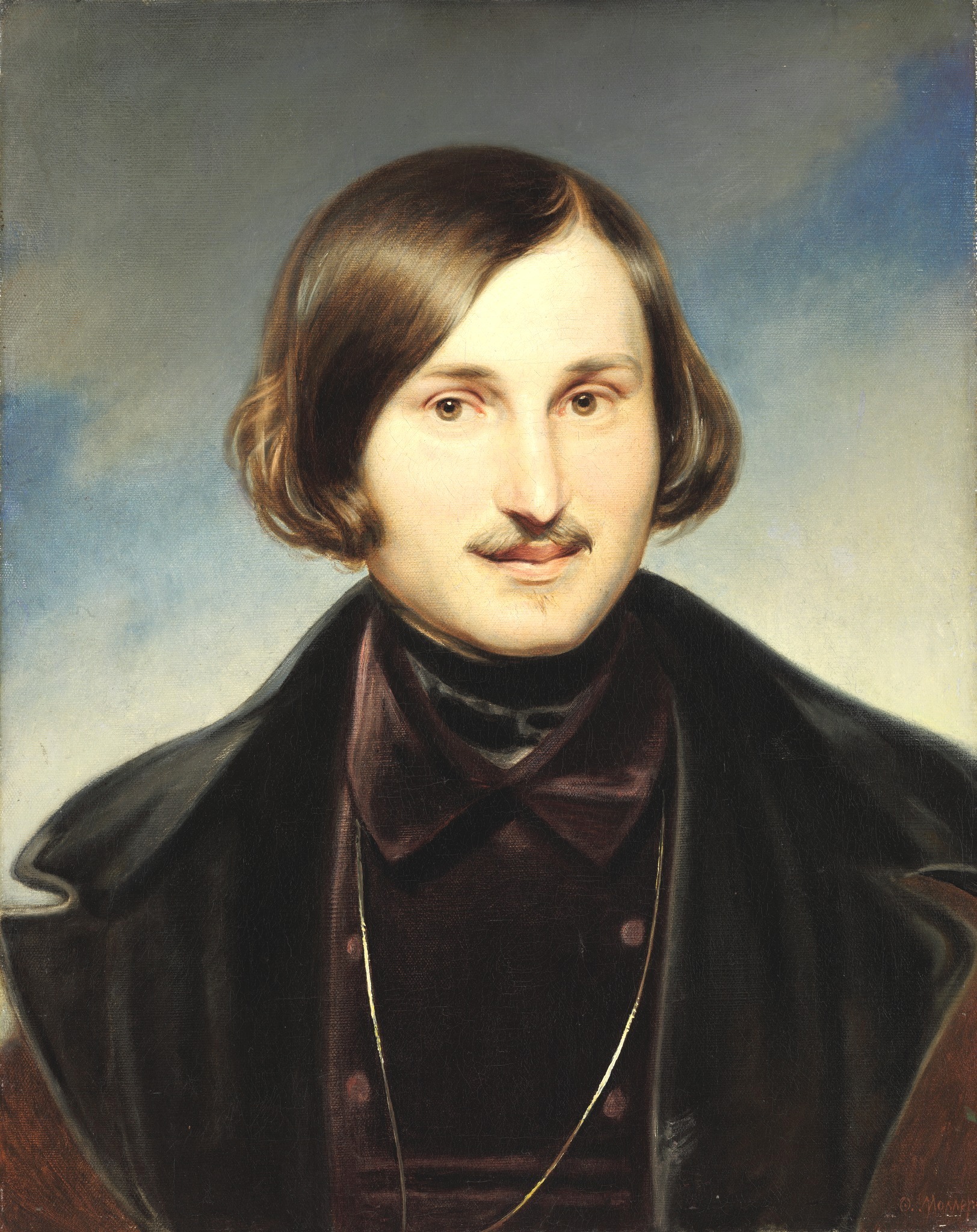
Nikolaj Vasiljevich Gogol, born on March 20, 1809, in Sorochyntsi, a small village in the Poltava region of Ukraine, was a literary genius whose works have left an indelible mark on Russian literature. Gogol’s contributions as a novelist, dramatist, and satirist have earned him a revered place in literary history. His life was a blend of artistic triumphs and personal turmoil, characterized by his deep engagement with the socio-political landscape of his time and his exploration of the human condition. This article delves into the life of Nikolaj Gogol, examining his journey from a young writer to a celebrated literary figure, his struggles, and his lasting impact on literature.
Early Life and Background
Nikolaj Gogol was born into a family of landowners, a fact that influenced much of his later work. His father, Vasily Gogol-Yanovsky, was a man of lively character and a deep appreciation for local folklore. This environment nurtured young Nikolaj’s imagination and provided him with a rich cultural backdrop. The Ukrainian countryside, with its traditions and people, played a significant role in shaping Gogol’s literary voice, which often depicted rural life with both humor and a sense of melancholy.
As a child, Gogol displayed an early interest in literature, often writing short stories and plays. His father encouraged this creative pursuit, but it was the death of his father when Gogol was just 15 that profoundly impacted him, both personally and artistically. Seeking to escape the grief and the constraints of his rural upbringing, Gogol moved to Saint Petersburg, the cultural capital of the Russian Empire, in search of literary success.
Early Literary Struggles and Breakthrough
Gogol’s initial years in Saint Petersburg were marked by hardship and disappointment. His first published work, a romantic poem titled “Hans Küchelgarten,” was met with harsh criticism, leaving the young author disillusioned and considering leaving Russia for good. However, this setback did not deter Gogol from pursuing his literary ambitions.
In 1831, Gogol found his footing with the publication of “Evenings on a Farm Near Dikanka,” a collection of short stories that drew heavily from Ukrainian folklore and his own experiences growing up in the countryside. These stories were well-received, earning Gogol recognition in literary circles. The tales combined humor, fantasy, and social commentary, establishing Gogol as a unique voice in Russian literature.
Rise to Fame: Satire and Social Critique
Building on the success of his early works, Gogol continued to write stories and plays that delved into the absurdities and injustices of Russian society. His 1835 collection, “Mirgorod,” featured stories like “Taras Bulba,” which combined historical epic with a deep sense of patriotism and cultural identity, reflecting Gogol’s complex relationship with his Ukrainian heritage.
Gogol’s most famous works, however, are those that satirized the bureaucracy and social dynamics of the Russian Empire. His play “The Government Inspector” (1836) is a biting satire of corruption and incompetence in the government. The play’s grotesque and exaggerated portrayal of bureaucrats struck a nerve with both audiences and the authorities, leading to significant controversy. Despite the backlash, “The Government Inspector” solidified Gogol’s reputation as a master of satire.
During this period, Gogol also wrote “Nevsky Prospekt” and “Diary of a Madman,” both of which are now considered classics of Russian literature. These works further showcased his ability to blend surrealism with sharp social critique, a style that would influence generations of writers to come.
“Dead Souls”: A Literary Masterpiece
The culmination of Gogol’s satirical vision came with the publication of “Dead Souls” in 1842. This novel, which Gogol intended to be the first part of a larger epic, is a scathing critique of the Russian landowning system and the moral decay of society. The protagonist, Chichikov, embarks on a bizarre scheme to buy the rights to deceased serfs (“souls”) in order to exploit a loophole in the legal system. Through this absurd premise, Gogol exposes the corruption, greed, and dehumanization prevalent in Russian society.
“Dead Souls” was met with widespread acclaim, but it also drew the ire of critics who saw it as an attack on Russian values. The novel’s dark humor, rich characterizations, and exploration of existential themes cemented Gogol’s place as one of Russia’s greatest literary figures. However, the success of “Dead Souls” also marked the beginning of a period of deep personal and creative crisis for Gogol.
Personal Turmoil and Spiritual Crisis
As Gogol’s fame grew, so did his inner turmoil. He became increasingly obsessed with religious and spiritual matters, which began to influence his writing and worldview. Gogol’s letters and writings from this period reveal a man grappling with guilt, doubt, and a fear of divine judgment. His deepening mysticism led him to believe that his literary work was sinful and that he needed to atone for his past.
This spiritual crisis culminated in Gogol’s decision to burn the manuscript of the second part of “Dead Souls” in 1852, just days before his death. Gogol believed that the work was flawed and that it did not live up to the moral and religious standards he had set for himself. This act of self-destruction remains one of the most tragic moments in literary history, as the world lost what could have been a monumental continuation of his masterpiece.
Final Years and Legacy
Nikolaj Gogol spent his final years in a state of emotional and physical decline. He traveled extensively, spending time in Italy, Germany, and the Holy Land, but found little solace. His health deteriorated, and he became increasingly isolated from friends and colleagues. On February 21, 1852, Gogol died in Moscow, likely as a result of self-imposed starvation and the psychological strain of his spiritual struggles.
Despite the tragic end to his life, Gogol’s legacy has endured. His works continue to be celebrated for their innovative use of satire, their deep psychological insight, and their exploration of the absurdities of human existence. Gogol’s influence can be seen in the writings of later Russian authors such as Fyodor Dostoevsky and Anton Chekhov, as well as in the broader canon of world literature.
Historical and Cultural Impact
Nikolaj Gogol’s works are not just literary achievements; they are also invaluable documents of Russian society in the 19th century. Through his sharp observations and biting satire, Gogol captured the complexities and contradictions of a nation in the midst of profound change. His characters, often grotesque and exaggerated, serve as reflections of the social and political realities of his time.
Gogol’s exploration of themes such as bureaucracy, corruption, and the human condition resonated with readers across generations and borders. His ability to blend humor with profound social critique has made his works timeless, and they continue to be studied and analyzed for their insights into both Russian society and the broader human experience.
Gogol’s Influence on Russian Literature
Gogol’s influence on Russian literature cannot be overstated. He is often regarded as the father of Russian realism, a literary movement that sought to depict everyday life and society with unflinching honesty. Gogol’s ability to portray the lives of ordinary people, with all their flaws and complexities, paved the way for the great Russian novelists of the 19th century, including Dostoevsky, Tolstoy, and Turgenev.
Dostoevsky famously said, “We all came out from under Gogol’s ‘Overcoat’,” referring to Gogol’s short story “The Overcoat,” which had a profound impact on Russian literature. This story, with its focus on the life of a lowly government clerk, introduced a new type of protagonist to Russian literature: the “little man,” a character who represents the struggles and aspirations of the common people.
Conclusion
Nikolaj Gogol’s life and work embody the complexities of a writer who was both a product of his time and a visionary ahead of his time. His ability to blend humor, satire, and deep psychological insight into his works has ensured his place as one of the greatest literary figures in history. Gogol’s exploration of the human condition, coupled with his critique of social and political institutions, makes his work as relevant today as it was in the 19th century.
As we continue to study and appreciate Gogol’s works, we are reminded of the enduring power of literature to reflect and challenge society. Gogol’s legacy is not just in the stories he told, but in the way he told them—unflinchingly, with a sharp eye for the absurd, and with a deep understanding of the human soul. His works remain a testament to the power of storytelling and the enduring importance of literature in understanding the world around us.


