
Introduction
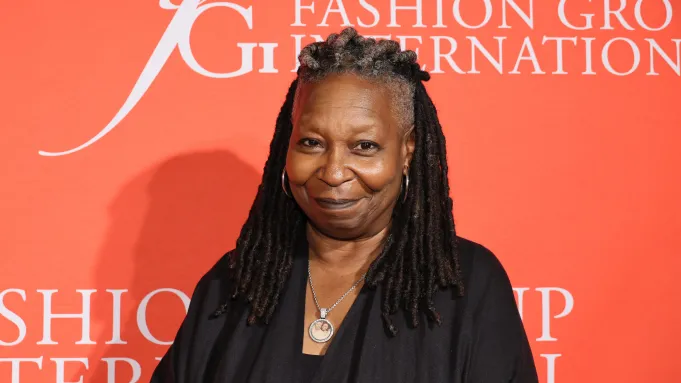
Whoopi Goldberg, born Caryn Elaine Johnson on November 13, 1955, in New York City, is an iconic figure in the world of entertainment. She has achieved an extraordinary career as an actress, comedian, author, and television personality. Known for her distinctive voice, sharp wit, and ability to tackle both comedic and dramatic roles, Goldberg is one of the few entertainers to have won an Emmy, Grammy, Oscar, and Tony Award—an EGOT. Her journey from a troubled youth to a beloved global star is marked by resilience, versatility, and a deep commitment to social justice. This article explores the life of Whoopi Goldberg, highlighting her early struggles, rise to fame, notable achievements, and lasting impact on the entertainment industry.
Early Life and Struggles
Whoopi Goldberg was born to a working-class family in New York City. Her mother, Emma Johnson, was a nurse and teacher, while her father, Robert James Johnson Jr., abandoned the family when Whoopi was just seven years old. Raised primarily by her mother, Whoopi grew up in a challenging environment, compounded by her struggles with dyslexia, a learning disorder that affected her ability to perform well in school. As a result, she dropped out of high school at the age of 17.
Despite these early challenges, Goldberg discovered her passion for acting at a young age. She was particularly inspired by the character of Lieutenant Uhura, played by Nichelle Nichols, on the television series “Star Trek.” This portrayal was groundbreaking, as it was one of the first significant roles for an African-American woman on television, and it sparked Goldberg’s desire to pursue a career in acting.
Early Career and Name Change
Goldberg’s journey to stardom was far from easy. In the early 1970s, she struggled to find steady work and grappled with substance abuse issues. To overcome her addiction, she sought help from Alvin Martin, a social worker who later became her first husband. The couple married in 1973 and had a daughter, Alexandrea Martin, but the marriage ended in divorce in 1979.
During this period, Goldberg worked various jobs, including as a bricklayer and a mortuary beautician, while continuing to pursue her dream of becoming an actress. She adopted the stage name “Whoopi Goldberg” during this time, inspired by her playful personality and the whoopee cushion, as well as the surname “Goldberg” to honor her Jewish heritage on her mother’s side.
Breakthrough and Rise to Fame
Goldberg’s breakthrough came in 1983 when she created and starred in the one-woman show “The Spook Show,” a performance that showcased her versatility and range as an actress. The show caught the attention of director Mike Nichols, who brought it to Broadway under the title “Whoopi Goldberg: Direct from Broadway.” The show was a critical and commercial success, earning Goldberg a Drama Desk Award and a Grammy Award for Best Comedy Album.
The real turning point in Goldberg’s career came in 1985 when she was cast by Steven Spielberg in the film adaptation of Alice Walker’s novel, The Color Purple. Goldberg’s portrayal of Celie, a young African-American woman enduring life in the early 20th century South, was both powerful and poignant. Her performance earned her an Academy Award nomination for Best Actress and a Golden Globe Award, firmly establishing her as a major Hollywood star.
Success in Film and Television
Following the success of The Color Purple, Goldberg’s career skyrocketed. She went on to star in a series of successful films throughout the late 1980s and early 1990s, including Jumpin’ Jack Flash (1986), Clara’s Heart (1988), and Ghost (1990). Her role as Oda Mae Brown, a psychic who helps a deceased man communicate with his living girlfriend in Ghost, earned her an Academy Award for Best Supporting Actress and another Golden Globe, making her one of the most sought-after actresses in Hollywood.
In 1992, Goldberg starred in Sister Act, a comedy about a lounge singer who hides in a convent after witnessing a crime. The film was a massive success, grossing over $230 million worldwide and spawning a sequel, Sister Act 2: Back in the Habit (1993). These films further solidified Goldberg’s status as a leading comedic actress.
Goldberg also became a familiar face on television. In 1992, she launched her own talk show, The Whoopi Goldberg Show, where she interviewed prominent figures in politics and entertainment. Although the show was canceled after 200 episodes due to low ratings, it showcased Goldberg’s ability to engage with a wide range of topics and personalities.
From 1988 to 1993, Goldberg appeared in 28 episodes of the popular science fiction series Star Trek: The Next Generation, playing the role of Guinan, a wise and enigmatic bartender aboard the USS Enterprise. Her character was well-received by fans and became one of the memorable aspects of the series.
Personal Life and Relationships
While Goldberg’s professional life was flourishing, her personal life was more tumultuous. She married cinematographer David Claessen in 1986, but the marriage ended in divorce just three years later. Her third marriage, to actor Lyle Trachtenberg in 1994, was also short-lived, lasting only one year. Despite her unsuccessful marriages, Goldberg found joy in her role as a mother and grandmother. She became a grandmother at the age of 34 and now has three grandchildren: Amarah Skye, Jerzey, and Mason.
Goldberg has been candid about her struggles with relationships, often stating that she is better suited to living alone. Her honesty about her personal life has endeared her to fans, who appreciate her openness and authenticity.
Advocacy and Social Activism
Beyond her work in entertainment, Whoopi Goldberg has been a passionate advocate for social justice and humanitarian causes. She has used her platform to speak out on issues such as homelessness, LGBTQ+ rights, and HIV/AIDS awareness. Goldberg has been particularly vocal about the importance of recognizing and protecting the rights of marginalized communities.
In 1996, Goldberg participated in the documentary The Celluloid Closet, which explored the history of LGBTQ+ representation in cinema. She has also been involved in numerous fundraising efforts, including organizing events to support homeless individuals and advocating for better healthcare for people living with HIV/AIDS.
Goldberg’s commitment to social activism extends to her work as a co-host on the daytime talk show The View, where she has been a regular since 2007. On the show, she discusses a wide range of topics, from politics to pop culture, and is known for her candid and often controversial opinions.
Later Career and Continued Influence
In the 2000s, Goldberg faced a decline in her film career, with fewer major roles coming her way. However, she continued to remain active in the entertainment industry through television, stage work, and voice acting. She produced and starred in the short-lived television series Whoopi (2003-2004) and made guest appearances on shows such as Law & Order: SVU and Everybody Hates Chris.
Goldberg also ventured into radio with her morning show Wake Up with Whoopi, which aired from 2006 to 2008. While the show was not a long-term success, it allowed Goldberg to connect with her audience in a new and personal way.
In recent years, Goldberg has returned to the big screen in supporting roles, including in the film For Colored Girls (2010) and Nobody’s Fool (2018). She has also continued to make her mark on Broadway, producing the successful revival of Sister Act the Musical.
Legacy and Impact on Entertainment
Whoopi Goldberg’s impact on the entertainment industry is immeasurable. As one of the few performers to achieve EGOT status, she has proven her versatility and talent across multiple mediums. Her ability to transition seamlessly between comedy and drama has made her a unique and enduring figure in Hollywood.
Goldberg’s influence extends beyond her acting career. She has broken barriers for African-American women in entertainment, paving the way for future generations of performers. Her work as an activist and advocate has also had a lasting impact, inspiring others to use their platforms for social good.
Conclusion
Whoopi Goldberg’s life and career are a testament to the power of perseverance, talent, and authenticity. From her humble beginnings in New York City to her status as a global icon, Goldberg has consistently defied expectations and carved out a unique place in the entertainment world. Her contributions to film, television, and theater, along with her dedication to social justice, have made her a beloved and respected figure.
As she continues to entertain and inspire audiences around the world, Whoopi Goldberg’s legacy as a trailblazer and advocate will undoubtedly endure for generations to come. Her story serves as a powerful reminder that with determination and passion, it is possible to overcome obstacles and achieve greatness.


