
Introduction
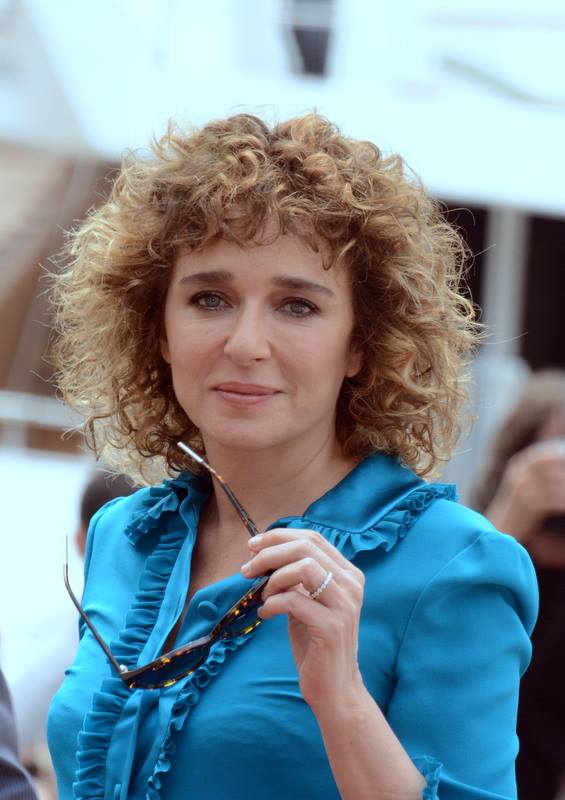
Valeria Golino, born on October 22, 1965, in Naples, Italy, is a renowned actress and filmmaker who has made a significant impact both in Hollywood and European cinema. With a career spanning several decades, Golino has garnered international fame, working alongside some of the biggest names in the film industry. This article explores her life, rise to fame, and the pivotal moments that have defined her career, providing a comprehensive look at the journey of this multifaceted artist.
Early Life and Background
Valeria Golino was born into a culturally rich and diverse family. Her mother, a Greek painter with Egyptian and French roots, and her father, an Italian Germanist, provided a unique and cosmopolitan upbringing. Raised between Naples and Athens, Golino was exposed to a blend of cultures that would later influence her artistic sensibilities.
Golino’s initial foray into the world of entertainment began in Athens, where she worked as a model during her teenage years. However, her life took a decisive turn when she was discovered by the acclaimed Italian director Lina Wertmüller. At the age of 17, Golino made her cinematic debut in Wertmüller’s 1983 film Scherzo del destino in agguato dietro l’angolo come un brigante da strada, a role that marked the beginning of her illustrious acting career.
Breakthrough in Italian Cinema
Following her debut, Golino quickly became a sought-after actress in Italian cinema. She appeared in several films throughout the mid-1980s, including Sotto…sotto… strapazzato da anomala passione (1984) by Lina Wertmüller, and Piccoli fuochi (1985) directed by Peter Del Monte. The latter earned her her first nomination for the prestigious Nastro d’Argento award.
Golino’s big break came in 1986 with Storia d’amore, directed by Francesco Maselli. Her portrayal of the lead character won her the Volpi Cup for Best Actress at the Venice Film Festival, solidifying her status as one of Italy’s leading actresses. This accolade not only brought her national recognition but also opened doors to international opportunities.
Rise to International Fame
Valeria Golino’s talent soon caught the attention of Hollywood, where she was cast in the critically acclaimed film Rain Man (1988), directed by Barry Levinson. Starring alongside Tom Cruise and Dustin Hoffman, Golino played the role of Susanna, the girlfriend of Cruise’s character. Rain Man was a massive success, winning four Academy Awards, including Best Picture, and catapulting Golino to international stardom.
During this period, Golino continued to work both in Europe and the United States. In 1988, she starred in Margarethe von Trotta’s Paura e amore and Randal Kleiser’s Big Top Pee-wee, where she met actor Benicio Del Toro. The two began a relationship and lived together in Los Angeles, marking a significant chapter in Golino’s personal and professional life.
Hollywood Success and Iconic Roles
The early 1990s saw Golino take on a variety of roles in Hollywood. In 1991, she starred in the comedy Hot Shots!, a parody film directed by Jim Abrahams, where she played opposite Charlie Sheen. The film’s success led to a sequel, Hot Shots! Part Deux (1993), in which Golino reprised her role. These films showcased her versatility and comedic timing, further cementing her reputation in Hollywood.
Despite her success, Golino faced challenges in securing certain roles. She auditioned for the lead in Pretty Woman (1990), ultimately losing out to Julia Roberts. The two actresses would compete again for a role in Flatliners (1990), with Roberts once more winning the part. Nevertheless, Golino continued to find success, appearing in Sean Penn’s The Indian Runner (1991) and John Frankenheimer’s Year of the Gun (1991).
Golino also returned to Italian cinema, starring in Gabriele Salvatores’ Puerto Escondido (1992) alongside Claudio Bisio and Diego Abatantuono. Her ability to seamlessly transition between Hollywood blockbusters and European arthouse films is a testament to her range and talent.
A Return to European Cinema
In the mid-1990s, Golino began to shift her focus back to European cinema. She starred in films such as Le acrobate (1997) by Silvio Soldini and L’albero delle pere (1998) by Francesca Archibugi, earning critical acclaim for her performances. Her role in Emanuele Crialese’s Respiro (2002) was particularly notable, earning her numerous awards and nominations, including a David di Donatello nomination for Best Actress.
Golino’s decision to return to Europe was also influenced by her personal life. After ending her relationship with Benicio Del Toro, she began dating Italian actor Fabrizio Bentivoglio. The two appeared together in several films, including Lascia perdere, Johnny! (2007), directed by Bentivoglio.
Transition to Filmmaking
In addition to her acting career, Valeria Golino has made a successful transition into filmmaking. In 2013, she made her directorial debut with the film Miele (Honey), which premiered at the Cannes Film Festival in the Un Certain Regard section. The film, which deals with the sensitive subject of euthanasia, was praised for its thoughtful and nuanced approach, earning Golino widespread acclaim as a filmmaker.
Miele was produced by Golino’s then-partner, actor Riccardo Scamarcio, with whom she had a long-term relationship. The film marked a significant milestone in Golino’s career, showcasing her talents behind the camera and establishing her as a formidable director in her own right.
Following the success of Miele, Golino continued to direct and produce films. Her second feature, Euphoria (2018), also premiered at Cannes and received positive reviews. The film explores the complex relationship between two brothers, and once again highlighted Golino’s ability to tackle difficult subjects with sensitivity and depth.
Personal Life and Relationships
Valeria Golino’s personal life has often been the subject of public interest, particularly her relationships with high-profile actors such as Benicio Del Toro and Riccardo Scamarcio. Her relationship with Del Toro began in the late 1980s when the two met on the set of Big Top Pee-wee. They lived together in Los Angeles for several years before eventually parting ways.
Golino’s relationship with Scamarcio began in 2006, and the couple became one of Italy’s most famous celebrity pairings. They worked together on several films, with Scamarcio often taking on roles in films directed or produced by Golino. However, their relationship ended in 2018 after more than a decade together.
Despite the end of her relationship with Scamarcio, Golino has continued to thrive both personally and professionally. In 2018, she was named the “madrina” (godmother) of the Lovers Film Festival in Turin, an event dedicated to LGBT cinema, reflecting her commitment to social causes and her influence in the film industry.
Recent Work and Legacy
In recent years, Valeria Golino has continued to take on challenging roles in both film and television. In 2020, she appeared in Lasciami andare (You Came Back), a psychological thriller directed by Stefano Mordini. The film, co-starring Stefano Accorsi and Serena Rossi, was well-received and showcased Golino’s enduring appeal as an actress.
Golino has also ventured into television, starring in the Italian adaptation of the critically acclaimed series In Treatment, which aired on Sky. Her performance in the series was praised for its emotional depth and complexity, further cementing her reputation as one of Italy’s most talented actresses.
Historical Context and Influence
Valeria Golino’s career has spanned a period of significant change in the film industry, both in Italy and internationally. Her ability to navigate the often-challenging transition from European cinema to Hollywood and back again is a testament to her adaptability and talent.
Golino’s work has also been shaped by the broader cultural and social movements of her time. Her directorial debut Miele and its exploration of euthanasia reflects the increasing willingness of filmmakers to tackle controversial and socially relevant topics. Similarly, her involvement with the Lovers Film Festival highlights her commitment to supporting diverse voices in cinema.
Golino’s influence extends beyond her own performances and films. As a filmmaker, she has helped to bring attention to important social issues and has contributed to the growing recognition of female directors in the industry. Her work behind the camera has been instrumental in challenging traditional gender roles in filmmaking, and she continues to be a role model for aspiring female directors.
Conclusion
Valeria Golino’s career is a testament to her versatility, talent, and enduring appeal. From her early days as a model in Athens to becoming a celebrated actress and filmmaker, Golino has consistently pushed the boundaries of what is possible in the film industry. Her ability to seamlessly transition between different genres and markets, coupled with her commitment to telling meaningful stories, has made her a standout figure in both European and Hollywood cinema.
As we reflect on Golino’s life and achievements, it is clear that her impact on the film industry is both profound and lasting. Her work continues to inspire audiences and filmmakers alike, and her legacy as one of Italy’s most accomplished actresses and directors is secure. Valeria Golino is not just a star; she is a trailblazer whose contributions to cinema will be remembered for generations to come.


