
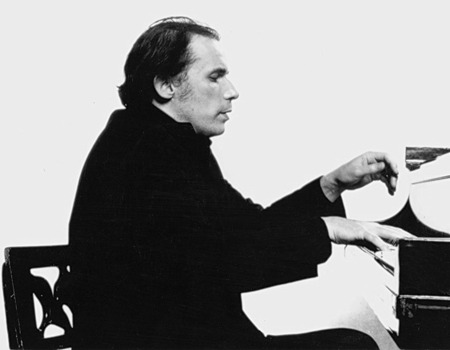
Glenn Gould, a name that resonates profoundly in the world of classical music, is often regarded as one of the most influential pianists of the 20th century. His interpretation of Johann Sebastian Bach’s compositions, particularly the Goldberg Variations, revolutionized the classical music landscape and left an indelible mark on both the music world and popular culture. In this article, we delve deep into the life of Glenn Gould, exploring his age, the peak of his fame, and the pivotal moments that shaped his extraordinary career.
Early Life and Musical Beginnings
Glenn Herbert Gould was born on September 25, 1932, in Toronto, Canada. His family was musically inclined, with his mother, Florence Greig, being his first piano teacher. From a young age, it was evident that Gould possessed an extraordinary musical talent. By the age of 10, he had already begun formal piano lessons with Alberto Guerrero, a renowned teacher at the Toronto Conservatory of Music (now the Royal Conservatory of Music).
Gould’s early years were marked by a rigorous and somewhat unconventional approach to music. He demonstrated an unusual ability to interpret complex pieces, particularly those of Johann Sebastian Bach, with a level of insight and technical mastery that belied his age. By the time he was a teenager, Gould had already made his debut as a soloist with the Toronto Symphony Orchestra, signaling the start of what would become a legendary career.
Rise to Fame: The New York Debut and Columbia Records
Glenn Gould’s rise to fame was meteoric. On January 2, 1955, at the age of 22, he made his American debut at New York’s Town Hall. The performance was a critical success, showcasing his unique interpretation of Bach’s works and his remarkable technical precision. This debut caught the attention of Columbia Records, one of the most prestigious recording companies of the time. Just a day after his performance, Gould signed an exclusive contract with Columbia Records, marking the beginning of a fruitful collaboration that would produce some of the most iconic recordings in classical music history.
One of the first fruits of this partnership was his 1956 recording of Bach’s Goldberg Variations. This recording is often cited as Gould’s magnum opus, a work that not only established him as a preeminent interpreter of Bach but also redefined how the Goldberg Variations were perceived and performed. The album was a commercial success and has since become one of the best-selling classical recordings of all time.
A Life of Eccentricity and Innovation
Gould’s fame was not just a result of his extraordinary talent but also his eccentric personality and unconventional approach to music. He was known for his peculiarities, such as humming while playing, his meticulous control over recording conditions, and his decision to eschew live performances in favor of studio recordings. These quirks, coupled with his reclusive lifestyle, only added to his mystique and further fueled the public’s fascination with him.
In 1964, at the age of 32, Gould made the surprising decision to retire from live performances. He had developed a deep-seated aversion to the concert hall, which he viewed as an anachronistic and emotionally draining environment. Gould believed that the future of music lay in the recording studio, where technology could be harnessed to achieve a level of perfection and control that was impossible in a live setting. This decision was unprecedented for an artist at the height of his career, and it underscored Gould’s commitment to his artistic vision, even at the cost of alienating some of his fans and critics.
The Impact of Technology on Gould’s Work
Gould’s retreat from the concert stage allowed him to focus entirely on recording and broadcasting. He became a pioneer in the use of technology to enhance the listening experience, often experimenting with multi-tracking, editing, and splicing to create recordings that were meticulously crafted and technically flawless. His belief in the power of technology extended beyond music; he saw it as a tool for intellectual and creative exploration.
In numerous interviews and writings, Gould articulated his vision of the recording studio as a new form of concert hall, one that allowed for greater artistic freedom and a more intimate connection between the performer and the listener. He argued that recordings should not be seen as mere reproductions of live performances but as artistic creations in their own right, with the potential to transcend the limitations of time and space.
This philosophy was most evident in his later recordings, particularly his second recording of the Goldberg Variations in 1981. This recording, made just a year before his death, is often seen as a companion piece to his 1956 debut, offering a more introspective and mature interpretation of the work. The two recordings, taken together, provide a fascinating insight into Gould’s evolving relationship with Bach’s music and his ongoing quest for artistic perfection.
Gould’s Legacy and Cultural Impact
Glenn Gould’s influence extends far beyond the world of classical music. He is often credited with redefining the role of the performer in the modern era, challenging the traditional hierarchy between composer, performer, and listener. His ideas about the intersection of music, technology, and culture continue to resonate with contemporary artists and thinkers, making him a figure of enduring relevance.
Gould’s legacy is also preserved in his extensive body of recordings, which remain some of the most highly regarded in the classical music canon. In addition to his work with Bach, Gould made significant contributions to the interpretation of works by Beethoven, Brahms, and other composers. His recordings are characterized by their clarity, precision, and intellectual rigor, qualities that have earned him a devoted following among music lovers and scholars alike.
Moreover, Gould’s life and work have inspired countless books, films, and academic studies, further cementing his status as a cultural icon. His enigmatic personality, combined with his groundbreaking approach to music, has made him a subject of fascination for generations of fans and a touchstone for discussions about the nature of art, creativity, and the role of technology in the modern world.
Conclusion: The Timeless Genius of Glenn Gould
Glenn Gould’s life was a testament to the power of individuality and the relentless pursuit of artistic excellence. From his early years as a child prodigy in Toronto to his status as a global icon, Gould remained true to his unique vision of what music could and should be. His decision to withdraw from public performances at the peak of his fame, his pioneering use of recording technology, and his profound interpretations of classical works all speak to a man who was not content to merely follow the path laid out by others.
Instead, Gould forged his path, one that has left an indelible mark on the world of music and continues to influence artists and thinkers across disciplines. In the years since his death in 1982, Gould’s recordings have only grown in stature, serving as a reminder of his extraordinary talent and his unwavering commitment to his craft.
Glenn Gould was more than just a pianist; he was a visionary artist who redefined what it means to be a musician in the modern era. His life and work continue to inspire and challenge us, reminding us of the endless possibilities that await those who dare to think differently.


