
Introduction
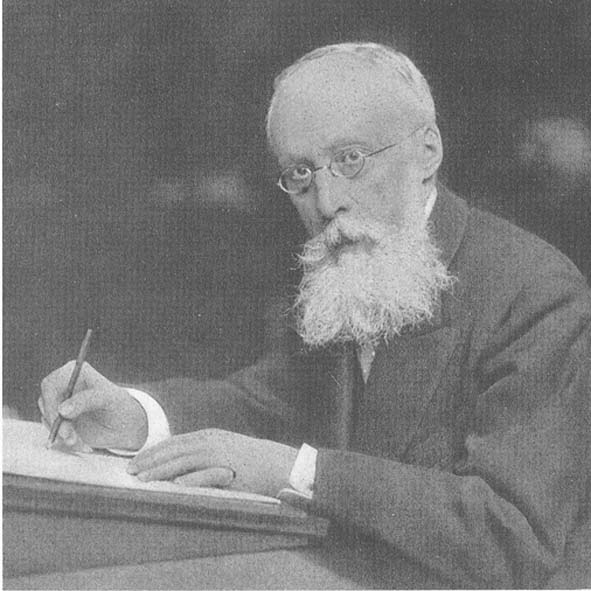
Arturo Graf, born on January 19, 1848, in Athens, Greece, is a name that holds significant weight in the world of Italian literature. As a poet, critic, and professor, Graf’s contributions to literary studies, particularly in the realms of medieval symbolism and Italian romanticism, have left an indelible mark. His works resonate with the themes of existential struggle, spirituality, and the dark allure of medieval legends. This article delves into the life, fame, and highlights of Arturo Graf, providing detailed insights into his intellectual journey and literary legacy.
Early Life and Education
Arturo Graf was born to a German father and an Italian mother, a heritage that exposed him to a blend of cultural influences from an early age. At the age of three, Graf moved with his family to Trieste, a city that would serve as a stepping stone in his early education. However, the death of his father led to a significant change in his life; young Arturo moved to Brăila, Romania, to live with his maternal uncle.
In 1863, at the age of 15, Graf returned to Italy, where he pursued his secondary education in Naples. It was here that he first encountered the teachings of Francesco De Sanctis, one of Italy’s most prominent literary critics and historians. De Sanctis’ influence on Graf was profound, igniting a lifelong passion for literature and critical thought. Graf eventually enrolled in the University of Naples, where he earned a law degree in 1870. Despite his formal education in law, his true passion lay in literature, which he pursued with unwavering dedication.
Early Career and Scholarly Pursuits
After completing his education, Arturo Graf briefly dabbled in commerce in Brăila before returning to Italy to immerse himself in the literary world. In Rome, he formed a close friendship with Ernesto Monaci, a philologist and medievalist, with whom he shared a deep interest in the Middle Ages. This period marked the beginning of Graf’s serious engagement with medieval studies, particularly the symbolic aspects of medieval literature, which would later become a central theme in his work.
In 1875, Graf obtained his teaching qualification in Italian literature, a milestone that marked the beginning of his academic career. His first teaching position was at the University of Rome, where he lectured on Italian literature and Romance languages. However, it was his subsequent appointment at the University of Turin in 1876 that truly solidified his reputation as a scholar. Here, Graf took up the chair of Neo-Latin Literature, a position he held until 1907. His inaugural lecture, titled “On a Scientific Treatment of Literary History,” set the tone for his academic approach, emphasizing the importance of rigorous, historically grounded literary analysis.
Literary Contributions and Philosophical Views
Arturo Graf was not just an academic; he was a prolific writer whose works spanned poetry, essays, and critical studies. His literary output reflected his evolving philosophical views, which gradually shifted towards positivist rationalism—a worldview that emphasizes science and reason over superstition and religion. Despite this, Graf’s works retained a deep engagement with the symbolic and the mystical, particularly in the context of medieval literature.
One of Graf’s early poetic works, Medusa (1880), exemplifies his complex relationship with symbolism and rationalism. The poem, along with later works like Dopo il tramonto (1890) and Rime della selva (1906), explores themes of death, despair, and the struggle for meaning in a seemingly indifferent world. These themes were likely influenced by the personal tragedies Graf experienced during this period, including the suicide of his brother Ottone in 1894. These events pushed Graf towards a more spiritual outlook, leading to works like Per una fede (1906) and Ecce Homo (1908), where he grappled with questions of faith and morality.
In addition to his poetry, Graf authored several critical studies that cemented his reputation as a leading scholar of medieval and Renaissance literature. His essay collections, such as La leggenda del paradiso terrestre (1878) and Miti, leggende e superstizioni del medioevo (1892-1893), delve into the rich tapestry of medieval legends and their enduring impact on Western culture. Graf’s work in this area was pioneering, as he sought to understand these legends not just as stories, but as cultural artifacts that reflected the fears, hopes, and values of the societies that produced them.
Academic Legacy and Influence
Arturo Graf’s academic legacy is perhaps best exemplified by his role in founding the Giornale storico della letteratura italiana in 1883, alongside Francesco Novati and Rodolfo Renier. This journal quickly became one of the most respected platforms for the study of Italian literature, and Graf’s contributions as a co-editor were instrumental in shaping its scholarly direction. His editorial work on this journal, along with his contributions to other publications such as Critica Sociale and Nuova Antologia, positioned him as a central figure in the intellectual debates of his time.
Graf’s academic influence extended beyond his own writings. As a professor at the University of Turin, he mentored a generation of students who would go on to become significant figures in Italian literature and criticism. His emphasis on a scientific approach to literary history—one that combined rigorous philological analysis with a deep understanding of historical context—helped to professionalize the study of literature in Italy. This approach laid the groundwork for modern Italian literary studies, influencing scholars long after his death.
Notable Works and Their Impact
Throughout his career, Arturo Graf produced a substantial body of work that continues to be studied and appreciated. His poetry, with its dark, symbolic imagery, remains a powerful example of the Italian romantic tradition, while his essays offer valuable insights into the cultural and intellectual history of medieval and Renaissance Europe.
One of his most significant works, Il riscatto (1901), stands out as a unique blend of autobiographical elements and broader philosophical inquiry. The novel explores the tension between the deterministic forces of heredity and the individual’s struggle for freedom—a theme that resonated with the spiritual and intellectual crises of the early 20th century. Graf’s exploration of these themes through the lens of his own life experiences gives the novel a deeply personal and reflective quality, making it a standout work in Italian literature.
Another important work, Il diavolo (1889), reflects Graf’s interest in the darker aspects of medieval thought. This study of the devil’s role in medieval culture and literature is not just a historical account but also a reflection on the enduring power of evil as a symbol in the human imagination. Graf’s ability to weave together historical analysis with philosophical reflection makes this work a significant contribution to both literary studies and the history of ideas.
Thematic Exploration and Symbolism
Arturo Graf’s works are characterized by their rich use of symbolism and thematic depth. His poetry often draws on the dark, brooding atmosphere of medieval legends, exploring themes such as death, evil, and the human condition. These themes are presented through a lens of existential struggle, where the individual is constantly at odds with forces beyond their control—whether these be fate, society, or the inherent darkness within the human soul.
Graf’s fascination with medieval symbolism is evident in his critical works as well. In Miti, leggende e superstizioni del medioevo, he explores the symbolic meanings of various medieval myths and legends, revealing how these stories were used to communicate complex ideas about morality, spirituality, and the nature of the universe. This work, like much of Graf’s scholarship, is notable for its interdisciplinary approach, combining literary analysis with insights from history, philosophy, and theology.
Personal Life and Later Years
Despite his professional success, Arturo Graf’s personal life was marked by tragedy and struggle. The loss of his brother and other family difficulties left a deep impact on him, influencing both his personal outlook and his literary work. These experiences led Graf to a more introspective and spiritual phase in his later years, as seen in his later writings.
Graf’s later years were spent in Turin, where he continued to teach and write until his retirement in 1907. Even after retiring from active teaching, he remained engaged in the literary and academic community, contributing to journals and mentoring younger scholars. His death on May 30, 1913, marked the end of an era in Italian literary studies, but his influence continues to be felt to this day.
Conclusion
Arturo Graf’s life and work represent a profound engagement with the intellectual and cultural currents of his time. As a poet, critic, and scholar, he made significant contributions to the study of literature, particularly in the areas of medieval symbolism and Italian romanticism. His works, characterized by their thematic depth and rich symbolism, continue to be studied and appreciated for their insights into the human condition and the complexities of cultural history.
Graf’s legacy is one of intellectual rigor and deep cultural understanding. His approach to literary studies, which combined a scientific method with a deep appreciation for the symbolic and the mystical, helped to shape the field of Italian literary criticism and continues to influence scholars today. As we look back on his life and work, Arturo Graf stands out as a towering figure in the history of Italian literature—a man whose insights into the darker aspects of the human experience continue to resonate with readers and scholars alike.


