
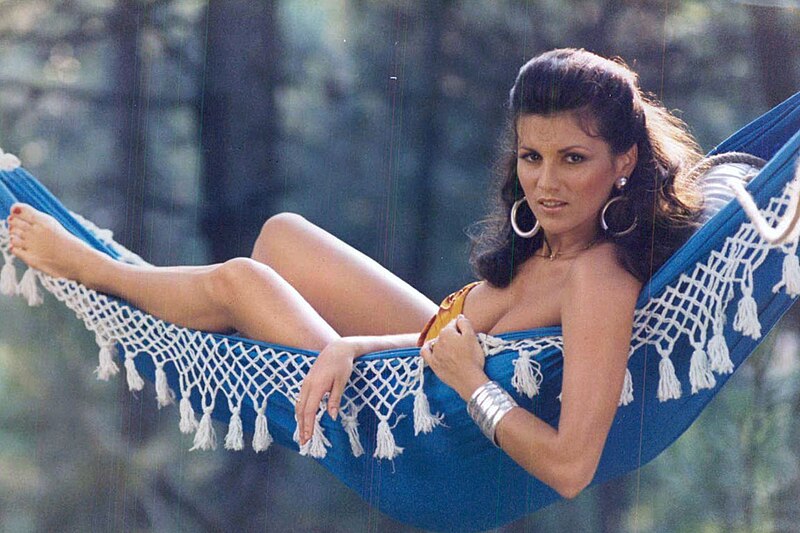
Serena Grandi, born Serena Faggioli on March 23, 1958, in Bologna, Italy, is a name synonymous with Italian cinema, particularly in the genre of erotic films that dominated the 1980s. Her career, marked by both acclaim and controversy, offers a fascinating glimpse into the world of European cinema. This article delves into the life of Serena Grandi, exploring her age, rise to fame, and the significant highlights that have shaped her multifaceted career.
Early Life and Education
Born in Bologna, a city known for its rich cultural heritage, Serena Grandi grew up in a modest environment. After completing her basic education, she pursued a diploma in computer programming—a field that was, at the time, quite unconventional for women. However, her ambitions extended far beyond the realm of technology. With a passion for the arts, Serena took a course in English and began working in a laboratory, all while nurturing a dream to break into the acting industry.
Her move to Rome marked the beginning of her journey into the cinematic world. Rome, the epicenter of Italian cinema, offered Serena the opportunity to study acting and diction, setting the stage for her eventual entry into the film industry. Her early years in the capital were challenging, but her perseverance soon paid off.
The Beginnings of a Cinematic Journey
Serena Grandi made her film debut in 1977 with a small role in Luigi Petrini’s film “Ring.” While this role did not catapult her to stardom, it was a significant first step in a career that would soon gain momentum. In 1980, she appeared in “Sono fotogenico,” a comedy directed by the legendary Dino Risi, where she shared the screen with renowned Italian actors Renato Pozzetto and Aldo Maccione. Her ability to hold her own alongside such established names hinted at the potential that would soon make her a household name.
Throughout the early 1980s, Serena appeared in several films that showcased her versatility as an actress. She worked with prominent directors like Castellano and Pipolo in “Mia moglie è una strega,” and with Alberto Lattuada in “La cicala.” These roles, though varied, began to establish her as a recognizable figure in the Italian film industry.
One of the turning points in her career was her collaboration with Carlo Verdone in the television miniseries “Sogni e bisogni.” Directed by Sergio Citti, the series gave Serena the chance to display her comedic talent, further solidifying her place in the entertainment industry. Her role in “Le avventure dell’incredibile Ercole,” a fantasy film by Luigi Cozzi, added another layer to her growing reputation as a versatile actress capable of handling a wide range of genres.
The Rise to Fame: The Tinto Brass Era
Serena Grandi’s career reached new heights in 1985 when she was cast by the provocative director Tinto Brass in the film “Miranda.” This erotic drama was a significant departure from her earlier work and played a pivotal role in defining her public persona. “Miranda” was not just another film; it was a cultural phenomenon in Italy, thanks in large part to Serena’s portrayal of the titular character. Her performance was lauded for its boldness and sensuality, and it catapulted her to national fame.
Tinto Brass, known for his distinctive approach to eroticism, saw in Serena the perfect embodiment of the voluptuous, confident woman that he often celebrated in his films. The success of “Miranda” was followed by other roles in similar genres, including “La signora della notte,” “L’iniziazione,” and “Desiderando Giulia.” In these films, Serena Grandi became the face of Italian erotic cinema, a genre that thrived during the 1980s and 1990s. Her portrayal of complex, often ambiguous women who navigated love, desire, and betrayal resonated with audiences and established her as a sex symbol in Italian cinema.
Versatility and Continued Success
Despite being typecast in erotic roles, Serena Grandi demonstrated her versatility as an actress through her work in various genres. In 1987, she worked with renowned director Dino Risi in “Teresa,” where she starred alongside Luca Barbareschi. This film allowed Serena to showcase a different side of her acting abilities, moving away from the erotic roles that had defined much of her career up to that point.
She also appeared in comedies such as “Roba da ricchi” and “Rimini Rimini,” both directed by Sergio Corbucci. These films, which featured popular Italian comedians like Paolo Villaggio, allowed Serena to blend her sensual on-screen presence with a comedic flair, further expanding her appeal to a broader audience.
In 1990, she took on a more dramatic role in Luigi Magni’s film “In nome del popolo sovrano,” starring alongside the legendary Alberto Sordi. This role was a departure from her previous work, demonstrating her capability to handle serious, historical drama with the same ease she brought to her more lighthearted or sensual roles.
Personal Life and Challenges
Serena Grandi’s personal life has been as colorful as her on-screen career. In 1987, she married Beppe Ercole, a successful interior designer who was twenty years her senior. Their marriage, which lasted until 1993, produced a son, Edoardo Ercoli, born in 1989. Despite the end of their marriage, Serena remained a devoted mother and balanced her responsibilities with her career in the public eye.
However, her personal life was not without controversy. In 2003, Serena faced legal troubles when she was arrested on charges of possession and intent to distribute cocaine. The scandal threatened to overshadow her career, but she was eventually cleared of the charges before the trial began. Serena admitted to purchasing small amounts of cocaine for personal use but denied any involvement in drug trafficking.
In the wake of these challenges, Serena Grandi took a step back from the limelight. She turned her attention to writing and in 2006, published her first novel, “L’amante del federale.” The book, which delved into themes of love and power, reflected Serena’s own experiences and marked a new chapter in her creative life.
Return to Cinema and Continued Relevance
After a decade-long hiatus from the film industry, Serena Grandi made a triumphant return to the big screen in 2008 with the film “Il papà di Giovanna,” directed by Pupi Avati. The film, which was presented at the Venice Film Festival, was a critical success and reintroduced Serena to a new generation of moviegoers. Her performance was praised for its depth and nuance, proving that Serena’s talent had not waned during her time away from the screen.
In 2013, Serena was part of the cast of Paolo Sorrentino’s “La grande bellezza,” a film that went on to win the Academy Award for Best Foreign Language Film. Her role in this critically acclaimed film was a testament to her enduring appeal and her ability to adapt to the evolving landscape of cinema.
In 2017, at nearly 60 years old, Serena Grandi participated in the second edition of the reality show “Grande Fratello Vip,” Italy’s version of “Celebrity Big Brother.” Her appearance on the show, alongside other Italian celebrities like Cristiano Malgioglio and Daniele Bossari, brought her back into the spotlight, demonstrating her willingness to embrace new challenges and connect with audiences in different formats.
That same year, Serena also starred in the film “Due uomini, quattro donne e una mucca depressa,” directed by Anna Di Francisca. The film, a comedy that explores the complexities of relationships and mental health, showcased Serena’s ability to tackle contemporary issues with sensitivity and humor.
Legacy and Autobiographical Work
In November 2021, Serena Grandi published her autobiography, “Serena a tutti i costi. Lettere di una vita mai inviate.” The book offers an intimate look at her life, revealing the struggles, triumphs, and personal reflections of a woman who has spent decades in the public eye. Through her writing, Serena shares her journey from a young actress in Bologna to an icon of Italian cinema, offering readers a candid account of the highs and lows that have shaped her life.
Serena Grandi’s legacy in Italian cinema is undeniable. She is celebrated not only for her contributions to the genre of erotic films but also for her versatility and resilience in an industry that is often unforgiving. Her ability to reinvent herself, whether through acting, writing, or participating in reality television, speaks to her enduring relevance in Italian popular culture.
Conclusion: The Enduring Appeal of Serena Grandi
Serena Grandi’s life and career are a testament to her talent, resilience, and ability to navigate the complexities of fame. From her early days in Bologna to her rise as a sex symbol in Italian cinema, Serena has consistently captivated audiences with her performances. Her willingness to take on diverse roles, combined with her personal strength in the face of adversity, has solidified her status as a beloved figure in Italian culture.
Today, Serena Grandi continues to inspire both fans and aspiring actors with her story. Whether on screen, on the page, or in the public eye, Serena remains a symbol of the bold, unapologetic spirit that has defined her career. As she continues to explore new creative avenues, Serena Grandi’s legacy as an icon of Italian cinema is assured.


