
Introduction
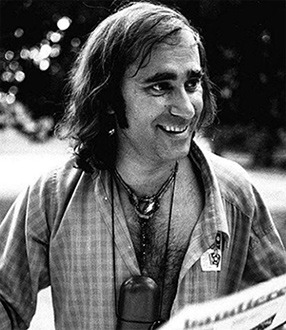
Ivan Graziani, born on October 6, 1945, in Teramo, Italy, was a highly talented and unique musician whose work has left an indelible mark on the Italian music scene. Despite his early demise on January 1, 1997, Graziani’s legacy continues to influence and inspire. His journey through life, his struggles, and his triumphs tell a compelling story of an artist whose music resonated with genuine emotion and lyrical tenderness. This article delves into the life of Ivan Graziani, exploring his age, the rise to fame, and the key highlights that defined his career.
Early Life and Musical Beginnings
Ivan Graziani’s roots in music were deeply entrenched from a young age. Born in the Abruzzo region, with a Sardinian mother, Graziani’s early years were shaped by a love for rock music, a passion that would follow him throughout his life. He pursued an education in graphic arts, although it was more out of obligation than a true calling. His heart was always set on music.
In the 1960s, Graziani founded the group “Anonima Sound,” marking his first serious foray into the world of professional music. The group participated in the Cantagiro music festival in 1967 with the song “Parla tu,” although it finished last in the competition. However, the group’s efforts began to pay off the following year with the song “L’amore mio, l’amore tuo,” which garnered a more favorable reception. The band managed to record five singles, but none achieved significant commercial success. Nevertheless, this period was crucial in helping Graziani establish connections within the music industry.
The Breakthrough: Solo Career and First Successes
Graziani’s solo career began in earnest in 1974 with the release of his first LP, “La città che io vorrei” (The City I Would Like). Although this album did not achieve widespread success, it marked the beginning of a new chapter in Graziani’s life. His breakthrough came in 1976 when he collaborated with the legendary Lucio Battisti, playing guitar on Battisti’s album “La batteria, il contrabbasso, eccetera.” This collaboration was significant, as Battisti was one of the most influential musicians in Italy, and his support helped bring Graziani’s talents to a broader audience.
The same year, Graziani released another album, “Ballata per 4 stagioni” (Ballad for Four Seasons), under the Numero Uno label, owned by the famous duo Mogol-Battisti. Despite the high expectations, the album’s sales were underwhelming. However, Graziani was undeterred and continued to hone his craft.
Fame and the Golden Years
Ivan Graziani’s first major success came in 1977 with the release of the album “I Lupi” (The Wolves), which featured the hit song “Lugano Addio.” This song resonated with the public, selling nearly ten thousand copies and establishing Graziani as a prominent figure in the Italian music scene. The song’s emotional depth and lyrical poignancy highlighted Graziani’s ability to connect with listeners on a personal level.
The following year, Graziani released “Pigro” (Lazy), an album that solidified his status as a major artist. The songs “Monna Lisa,” “Pigro,” and “Paolina” became hits, frequently played on radio stations across Italy. These were the years when Graziani was at the peak of his popularity, captivating audiences with his tender and expressive songwriting.
In 1979, Graziani released another hit, “Agnese,” and in 1980, “Firenze (Canzone triste)” (Florence – A Sad Song) became a sensation, further cementing his place in the Italian music industry. At this point, Graziani was a star, and his unique style—characterized by a blend of rock influences and poignant lyrics—had earned him a loyal following.
Challenges and Decline
Despite his success in the late 1970s and early 1980s, Graziani’s career began to face challenges as the decade progressed. His subsequent albums, “Ivan Graziani” and “Nove” (Nine), while artistically significant, did not achieve the commercial success of his earlier works. The public’s taste was shifting, and Graziani found it increasingly difficult to maintain the momentum he had built.
The mid-1980s marked a period of decline for Graziani. His 1986 album “Piknic” was a commercial disappointment, with only a few tracks, such as the rock-infused “Sola” and the ballad “Rosanna non sei tu” (Rosanna, It’s Not You), receiving any notable attention. However, Graziani was not one to give up easily. He continued to create music, and in 1989, he released “Ivangarage,” an album that showcased his resilience and creative spirit, even though it failed to win back his earlier audience.
The Later Years and Legacy
In the 1990s, Graziani experienced a brief resurgence in popularity. His 1994 appearance at the Sanremo Music Festival with the song “Maledette Malelingue” (Damned Gossip) introduced him to a new generation of listeners. Although his earlier participation in the 1985 edition of the festival with “Franca ti amo” (Franca, I Love You) had not garnered much attention, this time Graziani managed to capture the public’s interest once again.
Unfortunately, Graziani’s health began to deteriorate in the mid-1990s, and he passed away on January 1, 1997, at the age of 51, in his home in Novafeltria, Italy. His death marked the end of a remarkable career, but his music continues to live on, cherished by fans old and new.
Historical Context and Musical Influence
Understanding Ivan Graziani’s life and career requires a broader look at the historical and cultural context in which he operated. The 1970s and 1980s were a time of great change in the music industry, both in Italy and globally. In Italy, this period saw the rise of singer-songwriters (cantautori) who used their music to address social issues, personal struggles, and the complexities of modern life. Graziani was part of this movement, although his focus was often on the more intimate, emotional aspects of life, rather than overtly political themes.
Graziani’s work is often characterized by its lyrical depth and emotional honesty. He had a unique ability to craft songs that were both personal and universal, resonating with listeners on a deeply emotional level. His music was a reflection of his own life experiences, and this authenticity is what has helped his work endure over the years.
Moreover, Graziani was a skilled guitarist, and his instrumental prowess was a key element of his music. His style blended rock influences with Italian songwriting traditions, creating a sound that was distinctly his own. His collaborations with other artists, such as Lucio Battisti, further demonstrate his influence and importance in the Italian music scene.
SEO Optimization and Keyword Strategy
In writing about Ivan Graziani, it is essential to consider SEO best practices to ensure that the content is indexed effectively by search engines like Google. The key is to use relevant keywords and phrases naturally throughout the text while maintaining a focus on providing valuable, engaging content.
Key phrases such as “Ivan Graziani biography,” “Italian singer-songwriter,” “1970s Italian music,” and “Lucio Battisti collaboration” should be integrated seamlessly into the article. Additionally, terms like “Italian rock music,” “Sanremo Music Festival,” and “Graziani’s musical legacy” can help attract a broader audience interested in these topics.
The goal is to balance keyword density with readability, ensuring that the article remains informative and engaging while also being optimized for search engines. Proper use of headings, subheadings, and bullet points can also improve the article’s structure, making it more accessible to readers and easier for search engines to index.
Conclusion
Ivan Graziani was a remarkable artist whose music continues to resonate with listeners long after his death. His journey from a young rock enthusiast in Teramo to a celebrated figure in the Italian music industry is a testament to his talent, perseverance, and passion for his craft. While he may not have achieved the widespread fame of some of his contemporaries, Graziani’s work remains an essential part of Italy’s cultural heritage.
As we reflect on his life and legacy, it is clear that Ivan Graziani was more than just a musician; he was a storyteller, a poet, and a true artist. His music, filled with genuine tenderness and emotional depth, will continue to inspire future generations of musicians and music lovers alike.


