
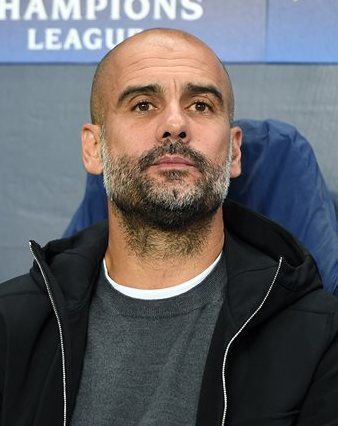
Pep Guardiola, born Josep Guardiola i Sala on January 18, 1971, in Santpedor, Catalonia, Spain, is widely regarded as one of the most influential figures in modern football. Renowned for his tactical genius, Guardiola has achieved legendary status both as a player and a manager. His journey through the world of football, particularly his association with FC Barcelona, has made him a household name. This article delves into the life, career, and legacy of Pep Guardiola, exploring his early years, rise to fame, and the impact he has had on the global football scene.
Early Life and Introduction to Football
Pep Guardiola was born to Valentí Guardiola and Dolors Sala in the small town of Santpedor. His passion for football was evident from a young age, and he began his journey in the sport as a ball boy at local matches. This early exposure to the game ignited his passion, and by the age of 13, he joined the youth academy of FC Barcelona, known as La Masia.
Initially playing as a defender, Guardiola’s footballing intelligence and vision soon saw him transition to a central midfield role. His development was closely guided by Johan Cruijff, the legendary Dutch footballer and coach, who became a mentor to the young Pep. Cruijff’s influence on Guardiola cannot be overstated; he was instrumental in shaping Pep’s understanding of the game, particularly the principles of “Total Football,” which emphasizes versatility, fluidity, and the importance of possession.
Rise to Prominence at FC Barcelona
In 1990, at just 19 years old, Guardiola was promoted to Barcelona’s first team by Johan Cruijff. This marked the beginning of a storied career with the club, which soon became known as the “Dream Team.” During the 1991-1992 season, Guardiola played a key role in helping Barcelona secure back-to-back La Liga titles. His calm demeanor on the field, coupled with his exceptional passing ability, made him the linchpin of the team’s midfield.
Guardiola’s international career also took off around this time. In October 1992, he made his debut for Spain in the World Cup and later that year led the national team to win the gold medal at the Summer Olympics in Barcelona. His performances earned him the Bravo Award, recognizing him as the best young player in the world under 21.
The following years saw Guardiola continue to shine for Barcelona. He was part of the team that reached the 1994 Champions League final, though they were defeated by AC Milan. In 1997, Guardiola was named club captain, a role he held with distinction despite being plagued by injuries that kept him out for much of the 1997-1998 season.
Despite interest from several top European clubs, Guardiola remained loyal to Barcelona, extending his contract until 2001. His time at the club culminated in a total of 16 major trophies, making him one of the most decorated players in the club’s history. His deep connection to Barcelona was evident in his pride in the club’s success, and the city of Barcelona holds a special place in his heart.
Transition to Management and the Guardiola Revolution
After leaving Barcelona in 2001, Guardiola had brief stints with Italian clubs Brescia and AS Roma, where he played alongside the legendary Roberto Baggio. However, his time in Italy was marred by an accusation of doping, from which he was later exonerated. Guardiola officially retired from playing in 2006, ending a distinguished playing career.
The next phase of Guardiola’s footballing journey began in 2007 when he took over as the coach of Barcelona B, the club’s reserve team. His success with the B team quickly caught the attention of the club’s hierarchy, and in 2008, he was appointed as the manager of Barcelona’s first team.
Guardiola’s appointment marked the beginning of a new era for Barcelona. His emphasis on possession-based football, high pressing, and fluid movement revolutionized the way the game was played. Under his guidance, Barcelona became a dominant force in both Spanish and European football.
In his first season as manager (2008-2009), Guardiola led Barcelona to a historic treble, winning La Liga, the Copa del Rey, and the UEFA Champions League. Barcelona won 20 consecutive matches in La Liga that season, and their victory over Manchester United in the Champions League final in Rome solidified Guardiola’s reputation as a managerial prodigy. At 38, he became the youngest coach ever to win the Champions League.
Guardiola’s success continued over the next few seasons. By February 2010, he had managed Barcelona in over 100 matches, boasting an incredible record of 71 wins and only 10 losses. This period saw him recognized as one of the best football managers in the world, and his Barcelona team is often cited as one of the greatest club sides of all time.
Global Success and Legacy
In 2013, after a year-long sabbatical following his departure from Barcelona, Guardiola took over as manager of Bayern Munich. His tenure at Bayern was marked by continued success, including multiple Bundesliga titles and a FIFA Club World Cup victory. However, despite domestic dominance, he was unable to replicate his Champions League success with Barcelona.
Guardiola’s philosophy of “tiki-taka” — a style of play characterized by short passing, movement, and maintaining possession — became his hallmark. His teams are known for their discipline, work ethic, and a relentless focus on controlling the game. Guardiola’s meticulous approach to management and his ability to adapt his tactics to different leagues and opponents have made him a revered figure in football.
In 2016, Guardiola took on a new challenge by becoming the manager of Manchester City in the English Premier League. His arrival in England was met with great anticipation, and he did not disappoint. Guardiola quickly transformed Manchester City into one of the most formidable teams in Europe. In the 2017-2018 season, City set numerous records, including the most points in a Premier League season (100) and the most consecutive victories (18).
Guardiola’s impact at Manchester City has been profound. His insistence on playing out from the back, maintaining high possession, and pressing opponents relentlessly has set new standards in English football. Under his leadership, City has won multiple Premier League titles, FA Cups, and League Cups. In 2022, Guardiola guided Manchester City to another Premier League title, sealing it with a dramatic comeback victory on the final day of the season.
The pinnacle of Guardiola’s career at Manchester City came in 2023 when he led the club to their first-ever UEFA Champions League title. In the final, City defeated Inter Milan, managed by Simone Inzaghi, cementing Guardiola’s status as one of the greatest managers in football history.
Personal Life and Interests
Pep Guardiola’s life off the pitch is as interesting as his career on it. He met Cristina Serra at the age of 18, and their relationship blossomed over the years, leading to their marriage in 2014 in a private ceremony in Catalonia. The couple has three children: two daughters, Maria and Valentina, and a son, Màrius.
Guardiola is known for his distinctive gravelly voice, which has become one of his trademarks. His meticulous and rigorous training methods are also well-documented, with his teams often praised for their discipline and work ethic. Guardiola’s commitment to possession-based football and his attacking style have not only brought him success but have also inspired countless coaches and players around the world.
Outside of football, Guardiola is an atheist and has a keen interest in fashion. His shaved head and sharp dressing style have even inspired fashion blogs. Despite his fame and success, Guardiola is known for being humble and focused on his work, often shying away from the limelight.
The Guardiola Legacy
Pep Guardiola’s legacy in football is unparalleled. As a player, he was the heartbeat of Barcelona’s midfield during one of the club’s most successful periods. As a manager, he has revolutionized the game, introducing a style of play that has influenced football tactics across the globe.
Guardiola’s ability to adapt and evolve his tactics to suit different leagues and teams has set him apart from his peers. His success at Barcelona, Bayern Munich, and Manchester City has solidified his reputation as one of the greatest managers of all time. His teams have won numerous titles, and his influence on the game continues to be felt at every level of football.
Guardiola’s commitment to excellence, his innovative approach to the game, and his ability to inspire his players have made him a role model for aspiring coaches and players alike. His story is one of passion, dedication, and a relentless pursuit of perfection.
In conclusion, Pep Guardiola is not just a football manager; he is a visionary who has changed the way the game is played and understood. His impact on football will be remembered for generations, and his name will forever be associated with the very best in the sport.


