
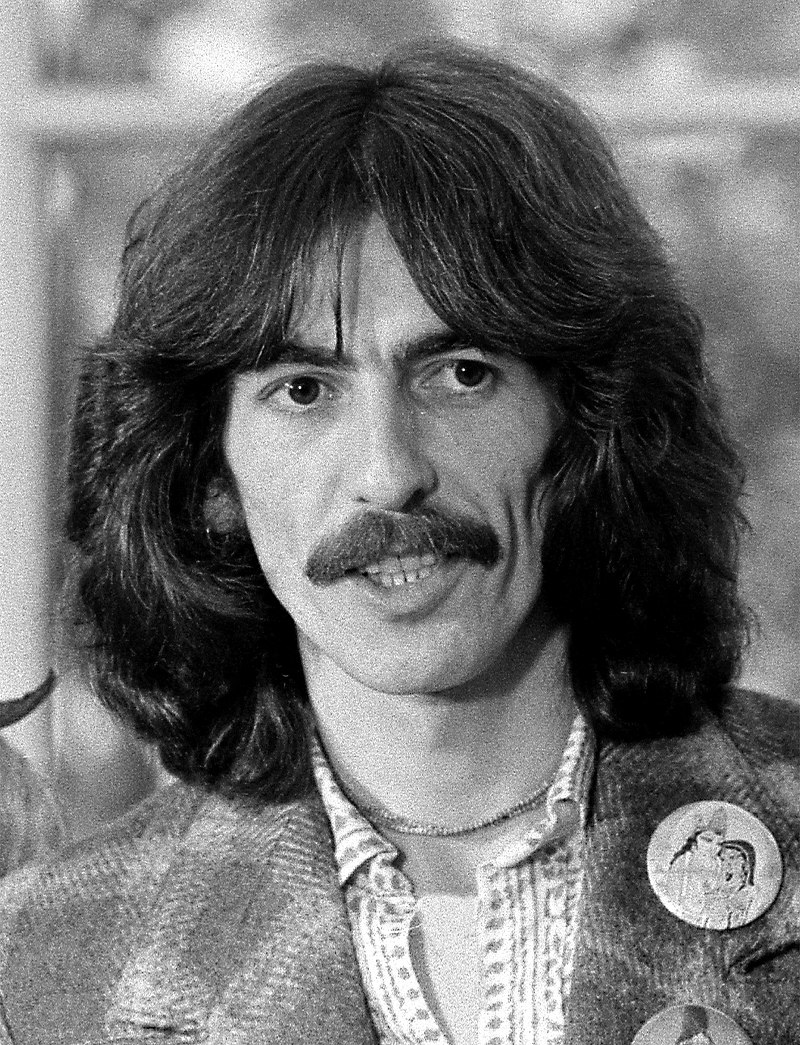
George Harrison, born on February 25, 1943, in Liverpool, England, emerged as one of the most influential figures in music history. Best known as the lead guitarist of the legendary Beatles, Harrison’s contributions extended far beyond his role in the band. His journey from a working-class background in Liverpool to global stardom, and ultimately to spiritual and musical transcendence, is a story of profound talent, personal evolution, and lasting impact. This article explores the life of George Harrison, detailing his age, rise to fame, and the key highlights that define his legacy.
Early Life and Musical Beginnings
George Harrison was born into a working-class family in Liverpool. His father, Harold Harrison, was an electrician, and his mother, Louise, worked in a grocery store. Despite their modest means, the Harrisons recognized their son’s burgeoning passion for music and supported him in pursuing it. George’s first guitar, a used Gretsch Duo Jet, was bought for him by his parents from a sailor in the docks of Liverpool. This instrument would become iconic, even featuring on the cover of his later solo album, “Cloud Nine.”
Harrison’s musical talent became evident early on, as he spent countless hours practicing and honing his skills. By the time he was a teenager, Harrison was already a sought-after guitarist in Liverpool’s burgeoning music scene. It was during this time that he struck up a friendship with Paul McCartney, a fellow student who introduced him to John Lennon. This meeting was the genesis of what would become one of the most influential bands in history—the Beatles.
The Beatles Era: From Sideman to Songwriter
As a member of the Beatles, George Harrison was often overshadowed by the prolific songwriting partnership of John Lennon and Paul McCartney. However, his role within the band was crucial. Harrison’s innovative guitar work and exploration of different musical genres helped to shape the Beatles’ sound. His early contributions included songs like “Don’t Bother Me,” but it wasn’t until later in the band’s career that Harrison’s songwriting talents fully blossomed.
By 1965, Harrison’s musical evolution was evident in songs like “If I Needed Someone” and “Think for Yourself.” His growing interest in Indian music, influenced by his friendship with sitar virtuoso Ravi Shankar, introduced a new dimension to the Beatles’ music. This period marked a significant shift in Harrison’s artistic output, as he began to incorporate the sitar and other Indian instruments into his compositions.
Songs like “Norwegian Wood (This Bird Has Flown)” and “Within You Without You” showcased Harrison’s deepening interest in Eastern philosophy and music. These songs were not just musically innovative but also reflected Harrison’s spiritual journey, as he began to explore Hinduism and transcendental meditation.
Spiritual Exploration and Musical Innovation
The mid-1960s were a transformative period for George Harrison, both musically and personally. His fascination with Indian culture and spirituality led him to study the sitar under Ravi Shankar, and this new influence profoundly affected his music. The song “Within You Without You,” featured on the Beatles’ seminal album Sgt. Pepper’s Lonely Hearts Club Band, is a testament to this fusion of Western rock and Indian classical music.
Harrison’s exploration of spirituality went hand in hand with his musical experimentation. He was instrumental in introducing the Beatles to transcendental meditation, leading the band to study with Maharishi Mahesh Yogi in India. This experience had a lasting impact on Harrison, who became a lifelong devotee of Hindu philosophy.
The songs Harrison wrote during this period, such as “The Inner Light” and “Love You To,” reflect his spiritual awakening. These compositions were not merely about the music; they were expressions of Harrison’s quest for inner peace and understanding. His spiritual journey would continue to influence his music long after the Beatles disbanded.
The “Quiet Beatle” Comes into His Own
While George Harrison was often referred to as the “quiet Beatle,” his contributions to the band’s later work were anything but quiet. By the time the Beatles recorded Abbey Road, Harrison had emerged as a songwriter of equal standing to Lennon and McCartney. His compositions “Something” and “Here Comes the Sun” are considered some of the finest songs in the Beatles’ catalog.
“Something,” in particular, stands out as a testament to Harrison’s songwriting prowess. The song, which Frank Sinatra once described as “the greatest love song of the past 50 years,” became one of the most covered Beatles tracks, second only to “Yesterday.” “Here Comes the Sun,” with its uplifting melody and optimistic lyrics, is another example of Harrison’s ability to convey deep emotion through music.
These songs not only solidified Harrison’s reputation as a songwriter but also marked a turning point in his career. The frustrations he had felt being in the shadow of Lennon and McCartney were now giving way to recognition of his talent. As the Beatles began to fracture, Harrison was ready to step out on his own.
Post-Beatles: A Flourishing Solo Career
After the Beatles officially disbanded in 1970, George Harrison wasted no time in launching his solo career. He had accumulated a wealth of material during his time with the Beatles, much of which had not been used by the band. This creative backlog culminated in the release of All Things Must Pass, a triple album that was a commercial and critical success.
All Things Must Pass included the hit single “My Sweet Lord,” which became the first solo single by a Beatle to reach number one on the charts. The album’s success established Harrison as a solo artist in his own right, distinct from his work with the Beatles. The album’s blend of rock, folk, and Indian music was a reflection of Harrison’s diverse influences and his spiritual beliefs.
In addition to his solo work, Harrison was also deeply involved in humanitarian efforts. In 1971, he organized the Concert for Bangladesh, one of the first major benefit concerts in rock history. The concert, which featured performances by Bob Dylan, Eric Clapton, and Ringo Starr, raised millions of dollars for refugees from the Bangladesh Liberation War.
Later Years and Lasting Legacy
Throughout the 1970s and 1980s, George Harrison continued to release solo albums, though none matched the success of All Things Must Pass. He also co-founded the Traveling Wilburys, a supergroup featuring Bob Dylan, Roy Orbison, Tom Petty, and Jeff Lynne. The group released two albums, which were both commercially successful and critically acclaimed.
Despite his success, Harrison increasingly sought a quieter, more private life. He withdrew from the public eye, focusing on his family and spiritual practices. However, his retreat from the spotlight did not protect him from tragedy. In 1999, Harrison survived a brutal attack by an intruder at his home in Oxfordshire, England. His wife, Olivia, saved his life by striking the assailant with a lamp.
In the late 1990s, Harrison was diagnosed with throat cancer, a battle he fought bravely for several years. Despite his illness, he remained active in music, contributing to the Beatles’ Anthology project and overseeing the reissue of his solo work.
George Harrison passed away on November 29, 2001, at the age of 58, in Los Angeles. His death was mourned by fans and musicians around the world. In accordance with his wishes, his ashes were scattered in the Ganges River in India, a final act that reflected his deep spiritual beliefs.
Historical Context and Influence
George Harrison’s influence on music and culture extends far beyond his work with the Beatles. As a guitarist, he helped to shape the sound of rock music in the 1960s and 1970s. His use of the slide guitar, in particular, became a hallmark of his style, inspiring countless musicians who followed.
Harrison’s interest in Indian music and spirituality also had a profound impact on Western culture. His collaborations with Ravi Shankar and his promotion of Eastern philosophy introduced many in the West to these ideas for the first time. This cross-cultural exchange not only enriched Harrison’s own music but also broadened the horizons of his listeners.
As a songwriter, Harrison’s work stands alongside that of Lennon and McCartney in its depth and emotional resonance. Songs like “Something,” “While My Guitar Gently Weeps,” and “My Sweet Lord” continue to be celebrated as masterpieces of popular music.
Conclusion
George Harrison’s life and career were marked by a constant quest for musical innovation and spiritual fulfillment. From his early days in Liverpool to his time with the Beatles and his solo career, Harrison remained true to his vision as an artist and a seeker of truth. His legacy is not only that of a gifted musician but also of a man who used his fame to explore and share deeper spiritual truths with the world.
As we look back on George Harrison’s contributions to music and culture, it is clear that his influence will continue to resonate for generations to come. Whether through his groundbreaking work with the Beatles, his solo achievements, or his spiritual teachings, George Harrison remains a towering figure in the history of modern music.


