
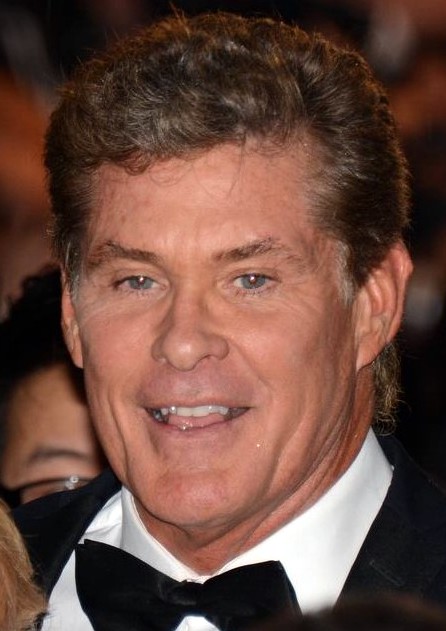
David Hasselhoff is a name that resonates across generations, transcending his roles in iconic TV series to become a global cultural phenomenon. Born on July 17, 1952, in Baltimore, Maryland, Hasselhoff’s journey to fame is as dynamic as the man himself. Known for his towering height, charismatic presence, and distinctive voice, he has made a significant mark in the entertainment industry. From his early aspirations in music to becoming a television superstar and eventually a beloved figure in pop culture, Hasselhoff’s life story is one of resilience, versatility, and enduring appeal.
Early Life and Career Beginnings
David Michael Hasselhoff was born into a German-Irish Catholic family in Baltimore. His father, Joe Hasselhoff, was a business executive, while his mother, Dolores, was a homemaker. From a young age, David showed a keen interest in performing arts. He was involved in theater productions during his school years and harbored dreams of making it big on Broadway. His early passion for music was evident, and he initially pursued a career in singing, hoping to become a Broadway star.
However, fate had other plans. In the early 1970s, Hasselhoff made his television debut on the soap opera The Young and the Restless, where he played Dr. Snapper Foster. This role marked the beginning of his acting career and set the stage for his future successes.
Breakthrough with Knight Rider
The turning point in Hasselhoff’s career came in 1982 when he was cast as Michael Knight in the hit television series Knight Rider. The show, which featured a high-tech, artificially intelligent car named KITT, became an instant success. Hasselhoff’s portrayal of the crime-fighting hero catapulted him to international fame. Knight Rider wasn’t just a TV show; it became a cultural icon of the 1980s, and Hasselhoff, with his rugged good looks and on-screen charm, was at the center of it all.
The role of Michael Knight not only solidified Hasselhoff’s status as a television star but also won him the People’s Choice Award for Favorite Male Performer in a New TV Program in 1983. The success of Knight Rider also gave him the opportunity to explore his musical ambitions further, especially in Europe.
Musical Career and “Looking for Freedom”
While Hasselhoff was enjoying immense popularity as an actor, his musical career was also gaining momentum, particularly in Germany. In 1989, he released the single “Looking for Freedom,” which became an anthem during a pivotal moment in history—the fall of the Berlin Wall. The song topped the German charts for eight consecutive weeks, and Hasselhoff performed it live at the Berlin Wall on New Year’s Eve in 1989, a moment that further cemented his status as a pop culture icon.
Despite his success in music, it was his television work that continued to define his career. After Knight Rider ended, Hasselhoff was searching for his next big project, and it came in the form of a lifeguard drama series that would soon become one of the most-watched TV shows globally.
Baywatch: The Cultural Phenomenon
In 1989, Hasselhoff took on the role of Mitch Buchannon in Baywatch, a show about lifeguards patrolling the beaches of Los Angeles. Initially, the series struggled to find its footing and was even canceled after the first season due to low ratings. However, Hasselhoff, who saw potential in the show, decided to take on the role of executive producer and helped resurrect it for syndication.
Baywatch went on to become a massive success, running for 11 seasons and becoming a global sensation. The show was renowned not just for its action-packed episodes but also for its focus on beach culture, iconic slow-motion running scenes, and a cast that included some of the most recognizable faces in television, such as Pamela Anderson.
As Mitch Buchannon, Hasselhoff became a household name worldwide. Baywatch was syndicated in over 140 countries, making it one of the most-watched TV shows of all time, with an estimated weekly audience of over one billion viewers at its peak. The show’s success solidified Hasselhoff’s place in television history and made him a global superstar.
Personal Life and Challenges
Behind the scenes, Hasselhoff’s life was not without its challenges. He married actress Pamela Bach in 1989, and the couple had two daughters together, Taylor-Ann and Hayley. However, their marriage faced difficulties, and they divorced in 2006. The years following his divorce were particularly tough for Hasselhoff as he struggled with alcoholism, a battle that was highly publicized in the media.
Despite these personal challenges, Hasselhoff remained active in his career and in philanthropy. He has been involved in various charitable endeavors, particularly those related to children’s hospitals and the fight against cancer. His commitment to giving back has been a significant aspect of his life, reflecting his desire to use his fame for good.
Later Career and Legacy
As the 21st century progressed, Hasselhoff continued to reinvent himself. He returned to the stage, taking on roles in musicals such as Jekyll & Hyde and The Producers. He also made guest appearances on popular TV shows and became a beloved figure on reality television, serving as a judge on America’s Got Talent from 2006 to 2009.
In 2019, at the age of 67, Hasselhoff surprised many by releasing an album with heavy metal influences, showcasing his versatility as an artist. The album featured collaborations with various musicians and was well-received by fans, proving that Hasselhoff’s appeal transcends genres and generations.
Hasselhoff’s influence on pop culture is undeniable. He has inspired countless parodies, tributes, and even an internet meme culture that affectionately refers to him as “The Hoff.” His self-deprecating humor and willingness to embrace his iconic status have endeared him to a new generation of fans.
The Hoff Today: A Legacy That Endures
As of today, David Hasselhoff remains an active figure in the entertainment industry. He continues to make appearances at fan conventions, participates in television projects, and engages with his fanbase through social media. His ability to stay relevant in an ever-changing industry is a testament to his adaptability and enduring charisma.
Hasselhoff’s journey from a young boy with dreams of Broadway to a global superstar is a story of resilience, reinvention, and the power of entertainment. Whether as Michael Knight, Mitch Buchannon, or “The Hoff,” David Hasselhoff has left an indelible mark on popular culture, one that will be remembered for generations to come.
Conclusion: The Everlasting Appeal of David Hasselhoff
David Hasselhoff’s career is a remarkable example of how one individual can impact global culture across multiple mediums. From television to music, and even as a symbol of freedom in Germany, Hasselhoff’s contributions have transcended mere entertainment to become part of the social fabric. His life highlights—marked by iconic roles, musical successes, and personal challenges—offer a rich tapestry of experience that continues to inspire and entertain.
As he approaches his seventh decade, Hasselhoff shows no signs of slowing down. His legacy as a television icon, musical artist, and cultural phenomenon is secure, and his influence will undoubtedly continue to be felt for years to come. David Hasselhoff is more than just a star; he is a symbol of enduring fame, adaptability, and the timeless appeal of a true entertainer.


