
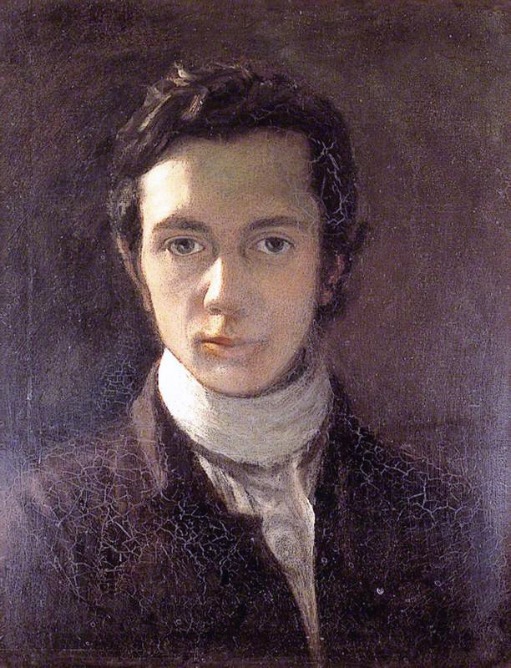
William Hazlitt, a name that resonates with the literary world, was a prominent English essayist, critic, and social commentator of the late 18th and early 19th centuries. His works have had a lasting impact on literature, philosophy, and art criticism, influencing generations of writers and thinkers. This article delves into the life, age, fame, and notable highlights of William Hazlitt’s life, exploring the nuances of his career, his rise to prominence, and the historical context that shaped his contributions to the intellectual landscape of his time.
Early Life and Background
William Hazlitt was born on April 10, 1778, in Maidstone, Kent, England, into a family of Irish and English descent. His father, William Hazlitt Sr., was a Unitarian minister, and his mother, Grace Loftus Hazlitt, was the daughter of a Dublin attorney. This religious and intellectual environment significantly influenced young Hazlitt, fostering a love for literature, philosophy, and critical thinking from an early age.
Educational Journey and Intellectual Development
Hazlitt’s early education was unconventional yet rich in intellectual stimulation. He attended the Unitarian New College in Hackney, London, where he was exposed to the works of philosophers such as John Locke, David Hume, and Jean-Jacques Rousseau. This exposure played a crucial role in shaping his philosophical outlook and his later works as a critic and essayist. However, Hazlitt soon realized that the formal education system was not suited to his independent and critical mind. He left college without completing his degree, opting instead for a path of self-education, immersing himself in the works of renowned philosophers, poets, and playwrights.
Hazlitt’s Entry into the World of Writing
Hazlitt’s entry into the literary world was not immediate. Initially, he pursued painting, studying under the famous English painter John Opie. Although he was a talented artist, Hazlitt struggled to find success in this field. This experience, however, provided him with a deep understanding of art and aesthetics, which later became a cornerstone of his literary criticism.
The Shift to Literature and Criticism
Around 1805, Hazlitt began to shift his focus towards writing, particularly literary criticism. His first major work, “Essay on the Principles of Human Action,” published in 1805, was a philosophical treatise that explored the nature of human motivation and morality. This work, although not widely recognized at the time, laid the foundation for his future writings, characterized by a deep understanding of human nature and a keen analytical mind.
The Rise to Fame: Hazlitt’s Major Works
William Hazlitt’s rise to fame can be attributed to his prolific output of essays, reviews, and critical writings that spanned over two decades. His works were characterized by their clarity, wit, and a deep understanding of human nature. Hazlitt was not merely a critic of literature; he was a critic of life, exploring the complexities of human emotions, motivations, and social interactions.
“The Round Table” (1817)
One of Hazlitt’s early successes was “The Round Table,” a collection of essays that he co-authored with Leigh Hunt, another prominent English critic and essayist. This work, published in 1817, was well-received for its insightful analysis of contemporary literature and culture. Hazlitt’s essays in “The Round Table” showcased his ability to blend literary criticism with social commentary, a style that would become his hallmark.
“Characters of Shakespear’s Plays” (1817)
In the same year, Hazlitt published one of his most celebrated works, “Characters of Shakespear’s Plays.” This book solidified his reputation as one of the foremost Shakespearean critics of his time. Hazlitt’s analysis of Shakespeare’s characters was not just an academic exercise; it was an exploration of the human condition. He brought to life the emotional depth and psychological complexity of Shakespeare’s characters, making them relatable to contemporary readers. This work remains a significant contribution to Shakespearean scholarship and is still studied and referenced by scholars and enthusiasts alike.
“Lectures on the English Poets” (1818) and “Lectures on the English Comic Writers” (1819)
Following the success of his Shakespearean analysis, Hazlitt continued to explore the realm of literary criticism through a series of lectures. His “Lectures on the English Poets” (1818) and “Lectures on the English Comic Writers” (1819) were highly influential in shaping the critical landscape of the time. In these lectures, Hazlitt demonstrated his deep appreciation for poetry and comedy, offering nuanced critiques of the works of poets like John Milton, Alexander Pope, and William Wordsworth, as well as comic writers such as Jonathan Swift and Henry Fielding. Hazlitt’s ability to connect with his audience through these lectures further cemented his status as a leading literary critic.
“Table-Talk” (1821-1822)
Perhaps one of Hazlitt’s most enduring works is “Table-Talk,” a collection of essays published between 1821 and 1822. These essays cover a wide range of topics, from literature and art to politics and philosophy. “Table-Talk” is a testament to Hazlitt’s versatility as a writer and his ability to engage with complex ideas in a conversational yet profound manner. The essays in this collection are notable for their exploration of personal experiences, reflections on society, and commentary on the human condition. Hazlitt’s keen observations and incisive wit make “Table-Talk” a valuable contribution to the essay genre and a significant influence on future essayists.
“The Spirit of the Age” (1825)
In 1825, Hazlitt published “The Spirit of the Age,” a collection of critical portraits of some of the leading figures of his time, including poets, philosophers, and politicians. This work is considered one of Hazlitt’s masterpieces, offering a unique insight into the intellectual climate of the early 19th century. In “The Spirit of the Age,” Hazlitt does not merely describe the achievements of his subjects; he delves into their personalities, motivations, and the societal forces that shaped their ideas. This work is a reflection of Hazlitt’s deep understanding of human nature and his ability to capture the essence of the cultural zeitgeist.
Hazlitt’s Legacy and Influence
William Hazlitt’s contributions to literature and criticism have had a lasting impact on subsequent generations of writers and thinkers. His essays are celebrated for their clarity, eloquence, and intellectual depth. Hazlitt was a pioneer in the field of literary criticism, helping to establish the essay as a legitimate form of intellectual discourse. His works influenced the Romantic movement, particularly writers like Charles Lamb, Samuel Taylor Coleridge, and Percy Bysshe Shelley, who admired Hazlitt’s ability to blend personal reflection with critical analysis.
Influence on Modern Criticism
Hazlitt’s influence extends beyond the Romantic period. His emphasis on the personal voice in criticism paved the way for modern literary criticism, where the critic’s perspective is often intertwined with the analysis of the work. Hazlitt’s essays on Shakespeare, in particular, continue to be studied and referenced in contemporary scholarship. His ability to make complex ideas accessible to a broad audience has made his works timeless, resonating with readers across different eras.
The Personal Struggles and Controversies
Despite his intellectual achievements, Hazlitt’s life was not without its struggles. He faced financial difficulties throughout his career, often living in poverty. His outspoken nature and sharp criticism of societal norms and political figures also made him a controversial figure. Hazlitt was known for his fiery temperament and his ability to provoke strong reactions, both positive and negative, from his readers and contemporaries. His personal life was marked by tumultuous relationships, including a failed marriage and a scandalous love affair, which further complicated his public image.
Hazlitt’s Enduring Relevance
William Hazlitt’s works continue to be relevant in today’s literary and cultural landscape. His essays offer valuable insights into the human experience, exploring themes that are universal and timeless. Hazlitt’s ability to capture the nuances of human emotions and his keen observations of society make his writings a valuable resource for anyone interested in literature, philosophy, and the arts. His influence can be seen in the works of modern essayists and critics who continue to draw inspiration from his approach to writing and criticism.
Conclusion
William Hazlitt was a remarkable figure in the world of literature and criticism, whose works have left an indelible mark on the intellectual landscape of his time and beyond. His essays, characterized by their clarity, wit, and deep understanding of human nature, continue to inspire and engage readers today. Hazlitt’s legacy as a critic, essayist, and thinker is a testament to his enduring relevance and his significant contributions to the literary world.
As we reflect on Hazlitt’s life and works, it becomes evident that his insights into literature, art, and society are not just products of his time but are also reflections of the universal human experience. Hazlitt’s ability to connect with readers across different eras underscores the timeless nature of his writings and his enduring influence on the world of letters.


