
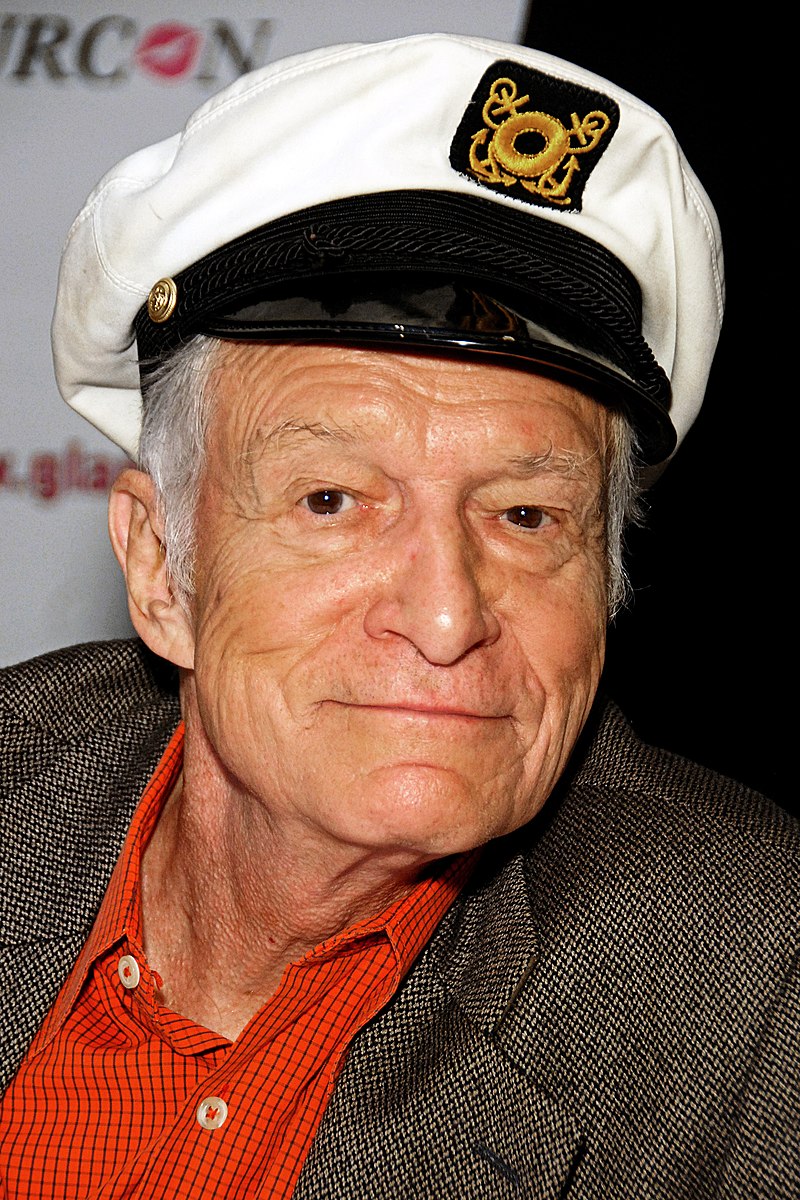
Hugh Hefner is a name synonymous with the iconic lifestyle brand “Playboy.” As the founder of one of the most influential men’s magazines in the world, Hefner not only revolutionized the publishing industry but also had a profound impact on American culture and the global perception of sexuality, freedom, and luxury. This article delves deep into the life of Hugh Hefner, exploring his journey from a conservative upbringing to becoming the symbol of sexual liberation and sophistication.
Early Life and Education
Hugh Marston Hefner was born on April 9, 1926, in Chicago, Illinois, into a family of conservative Protestant parents. Raised in a strict Methodist environment, young Hugh, often referred to as “Hef,” displayed early signs of creativity and intellectual curiosity. Despite his higher-than-average IQ of 152, Hefner was an average student academically. However, he excelled in extracurricular activities, particularly in writing and drawing. During his high school years at Steinmetz High School on Chicago’s West Side, Hefner founded a school newspaper and served as the president of the student council, showcasing his early leadership skills.
In January 1944, at the age of 17, Hefner enlisted in the U.S. Army during World War II. He served as an infantry clerk and later as a cartoonist for various military publications. After his discharge in 1946, Hefner enrolled at the University of Illinois at Urbana-Champaign, where he earned his degree in two and a half years. During his time at the university, he contributed cartoons to the college newspaper, the “Daily Illini,” and launched a campus humor magazine called “Shaft.” His academic journey also included a brief stint at Northwestern University, where he pursued graduate studies in sociology.
The Birth of Playboy
Hugh Hefner’s post-college years were marked by a series of unremarkable jobs that failed to satisfy his creative ambitions. He worked as a copywriter for “Esquire” magazine, a position that allowed him to hone his skills in publishing. However, when the magazine moved its headquarters to New York and denied Hefner a $5 raise, he decided to take a bold step toward realizing his dream of creating his own publication.
In 1953, armed with $8,000 raised from family and friends, including a $600 loan secured by his furniture, Hefner launched the first issue of “Playboy” magazine. The debut issue featured a calendar photograph of Marilyn Monroe and sold over 50,000 copies. This initial success provided the financial foundation for what would become a publishing empire.
Playboy’s Rise to Fame
“Playboy” was not just another men’s magazine; it was a cultural phenomenon that captured the imagination of post-war America. The magazine’s sophisticated blend of high-quality journalism, fiction, and, of course, its famous centerfolds, set it apart from its competitors. By the end of the 1950s, “Playboy” was selling over a million copies a month, and Hefner had established himself as a tastemaker and cultural icon.
The 1960s saw “Playboy” reach new heights. The magazine became a platform for progressive social and political commentary, featuring interviews with some of the most influential figures of the time, including Martin Luther King Jr., Malcolm X, and John Lennon. Hefner’s vision extended beyond the printed page, as he opened the first Playboy Club in Chicago in 1960. These clubs, featuring waitresses known as “Bunnies” in their iconic costumes, became symbols of sophistication and exclusivity, attracting celebrities and socialites alike.
The Playboy Mansion and the Playboy Philosophy
As “Playboy” grew in popularity, so did Hefner’s persona as the ultimate playboy. In 1959, he purchased a luxurious mansion in Chicago, which became known as the Playboy Mansion. This estate was not just Hefner’s residence but also the epicenter of his extravagant lifestyle, filled with glamorous parties attended by Hollywood stars, musicians, and political figures.
Hefner’s “Playboy Philosophy,” which he articulated in the pages of his magazine, was a blend of hedonism, intellectualism, and advocacy for personal freedom. He championed sexual liberation and free speech at a time when these topics were still taboo in mainstream society. Hefner’s philosophy resonated with the burgeoning counterculture movement of the 1960s and helped to position “Playboy” as a leader in the sexual revolution.
Expanding the Playboy Empire
By the 1970s, “Playboy” was a global brand. At its peak, the magazine’s circulation reached seven million copies a month, and the Playboy logo—featuring a stylized bunny head—had become one of the most recognizable symbols in the world. Hefner expanded his empire to include Playboy Clubs, resorts, and casinos, and even ventured into film and television production. The Playboy Enterprises, which he founded, became a publicly traded company, further solidifying Hefner’s status as a business mogul.
Hefner’s move to Los Angeles in the early 1970s marked a new chapter in his life and career. He purchased a sprawling estate in Holmby Hills, known as the Playboy Mansion West, which became his primary residence and the headquarters for his growing media empire. From this base, Hefner continued to expand his influence in Hollywood, producing films such as Roman Polanski’s “Macbeth” and hosting a popular television show, “Playboy After Dark.”
Challenges and Reinvention
The 1980s brought new challenges for Hugh Hefner and his empire. The rise of more explicit adult publications and changing societal attitudes toward sexuality began to erode “Playboy’s” dominance in the market. Additionally, Hefner suffered a stroke in 1985, which forced him to rethink his lifestyle and business approach. He described this health crisis as a “stroke of luck,” as it led him to make significant changes in his personal life, including adopting a healthier lifestyle.
In 1989, Hefner married Kimberley Conrad, a former Playmate of the Year, in a highly publicized wedding. The couple had two sons, Marston and Cooper, and lived in the Playboy Mansion. However, the marriage eventually ended in separation, with the couple formally divorcing in 2010.
During this period, Hefner handed over much of the day-to-day management of Playboy Enterprises to his daughter, Christie Hefner, who served as the company’s CEO from 1988 to 2009. Under her leadership, the company diversified its offerings, expanding into digital media and licensing. Despite these efforts, the rise of the internet and changing consumer preferences continued to challenge “Playboy’s” business model.
Legacy and Final Years
As Hefner entered his later years, he remained a prominent figure in American culture. The Playboy Mansion continued to host lavish parties, and Hefner’s relationships with much younger women were a constant source of tabloid fodder. His life was the subject of numerous documentaries, including the 2009 film “Hugh Hefner: Playboy, Activist, and Rebel,” which explored his impact on American society and his contributions to civil rights and free speech.
Hefner’s final years were marked by a resurgence of interest in the Playboy brand. The reality television show “The Girls Next Door,” which aired from 2005 to 2010, gave viewers a glimpse into life at the Playboy Mansion and introduced a new generation to the Playboy mystique. Despite declining health, Hefner continued to be involved in the management of his empire, maintaining his role as the ultimate playboy until his passing.
Hugh Hefner died on September 27, 2017, at the age of 91. He was laid to rest in the Westwood Village Memorial Park Cemetery in Los Angeles, in a mausoleum next to Marilyn Monroe, the woman who graced the cover of the very first issue of “Playboy.” His death marked the end of an era, but his legacy as a cultural icon and a pioneer of sexual liberation lives on.
The Controversy and Criticism
While Hugh Hefner is celebrated for his contributions to the sexual revolution and his advocacy for personal freedom, his life and career were not without controversy. Critics have accused Hefner of objectifying women and contributing to the commercialization of female sexuality. The Playboy brand has also been scrutinized for perpetuating unrealistic beauty standards and for its role in the proliferation of adult entertainment.
Hefner defended his work by arguing that “Playboy” was about more than just sex; it was about a lifestyle that embraced sophistication, pleasure, and intellectual engagement. He pointed to the magazine’s groundbreaking interviews, literary contributions, and progressive social commentary as evidence of its broader cultural significance. Nevertheless, the debate over Hefner’s legacy continues, with some viewing him as a champion of freedom and others as a symbol of exploitation.
Conclusion
Hugh Hefner was a complex figure whose life and work had a profound impact on American culture and beyond. From his humble beginnings in Chicago to his rise as the founder of a global media empire, Hefner’s story is one of ambition, innovation, and controversy. He redefined the boundaries of acceptable content in mainstream media, challenged societal norms, and created a brand that remains iconic to this day.
As we look back on the life of Hugh Hefner, it is clear that his influence extends far beyond the pages of “Playboy.” He was a pioneer who shaped the conversation around sexuality and freedom in the 20th century, leaving behind a legacy that will continue to be debated and discussed for generations to come.


