
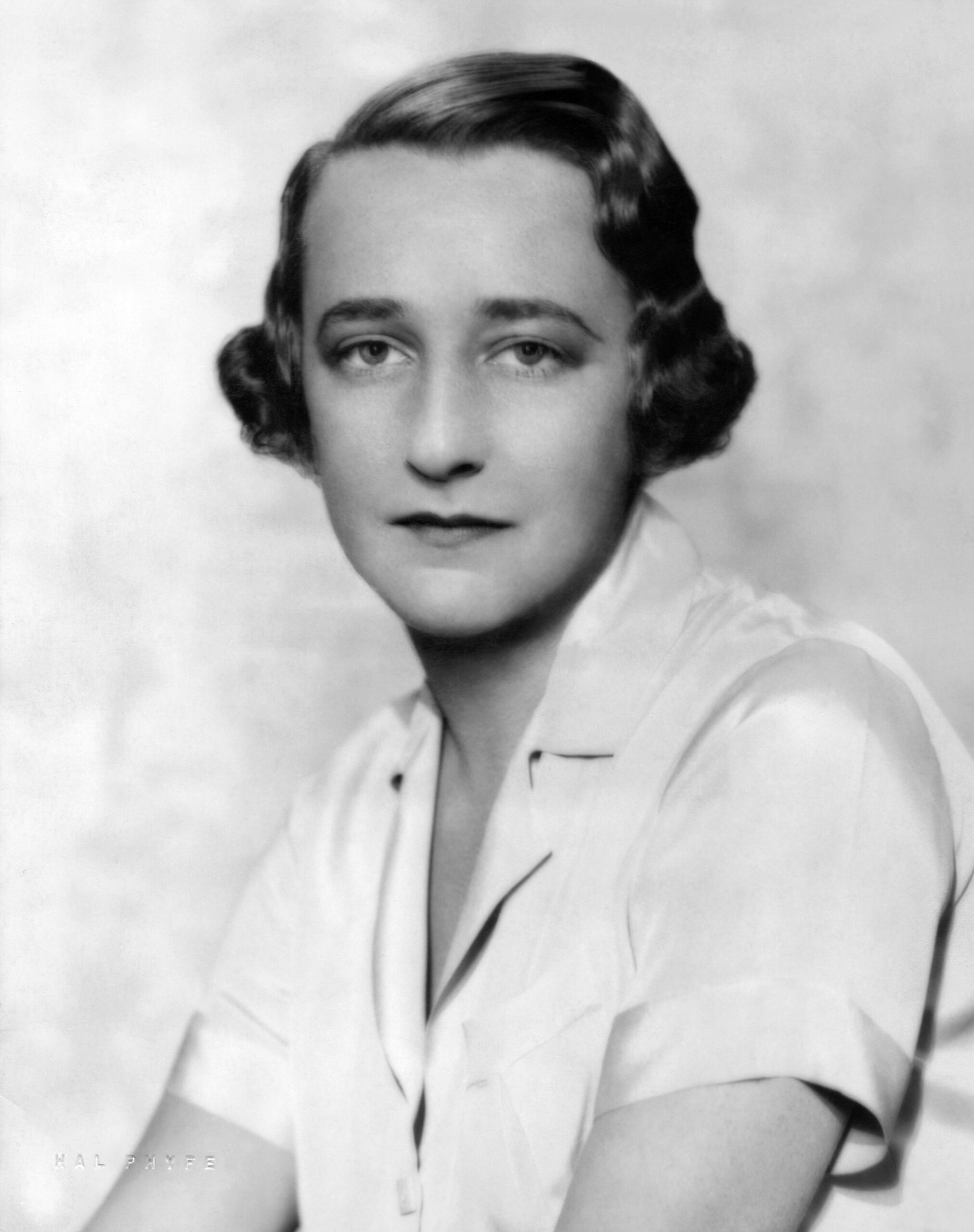
Lillian Hellman, born on June 20, 1905, in New Orleans, Louisiana, is a name that resonates powerfully in the annals of American literature and theater. A formidable playwright, screenwriter, and author, Hellman was known for her sharp intellect, fearless political activism, and unyielding commitment to social justice. Her work not only challenged societal norms but also pushed the boundaries of what theater and literature could accomplish in terms of social and political discourse. This article provides a comprehensive exploration of Hellman’s life, career, and the enduring impact of her work.
Early Life and Education
Lillian Hellman was born into a Jewish family in New Orleans but spent much of her formative years in New York City after her family relocated there when she was just five years old. Growing up in a culturally vibrant and intellectually stimulating environment, Hellman developed a deep love for literature and writing at an early age. Her academic pursuits led her to Columbia University, where she studied literature and further honed her writing skills.
Hellman’s early exposure to the cultural and intellectual life of New York City, coupled with the rich cultural heritage of her Southern roots, played a significant role in shaping her literary voice. These diverse influences would later be reflected in her works, which often dealt with themes of social injustice, moral ambiguity, and the complexities of human relationships.
The Beginnings of a Literary Career
Hellman’s entry into the literary world began in the early 1930s, a period marked by economic hardship and political turmoil. It was during this time that she married Arthur Kober, a playwright and screenwriter, and moved to Los Angeles, where Kober was employed in the burgeoning film industry. The couple’s marriage, however, was short-lived, and they divorced in 1932. Shortly thereafter, Hellman entered into a passionate and tumultuous relationship with the celebrated mystery writer Dashiell Hammett, a relationship that would last until Hammett’s death in 1961.
In 1934, Hellman made her mark with her first major play, The Children’s Hour. The play, which centers around a false accusation of lesbianism at an all-girls boarding school, was groundbreaking for its time. It tackled issues of sexual morality, the destructive power of lies, and the oppressive nature of societal norms. The Children’s Hour was not only a commercial success but also established Hellman as a playwright unafraid to confront controversial and taboo subjects. Her concise, caustic writing style and willingness to tackle difficult themes became hallmarks of her work.
Rise to Fame: The Little Foxes and Beyond
One of Hellman’s most enduring works is The Little Foxes (1939), a searing critique of greed and moral decay in the Southern aristocracy. Set in the early 20th century, the play portrays the ruthless Hubbard family’s relentless pursuit of wealth at the expense of ethics and human decency. The title, taken from the Bible’s Song of Solomon, suggests the destructive nature of greed, which ultimately leads to the downfall of the characters.
The Little Foxes was an immediate success on Broadway and remains one of Hellman’s most frequently revived plays. Its portrayal of the dark side of American capitalism resonated with audiences during the Great Depression and continues to be relevant in discussions about corporate greed and moral corruption.
Throughout the 1940s, Hellman continued to write prolifically for the theater, producing works such as Watch on the Rhine (1941), which won the New York Drama Critics’ Circle Award. This play, set against the backdrop of World War II, tells the story of a German anti-fascist who seeks refuge in the United States but is ultimately drawn back into the fight against Nazi tyranny. Watch on the Rhine was praised for its timely political message and was later adapted into a successful film starring Bette Davis and Paul Lukas.
Political Activism and the McCarthy Era
Hellman’s work was deeply intertwined with her political beliefs. An outspoken leftist, she was actively involved in various political causes throughout her life, including the fight against fascism during the Spanish Civil War and advocacy for civil rights in the United States. Her political activism, however, made her a target during the McCarthy era, a period of intense anti-communist sentiment in the United States.
In 1952, Hellman was subpoenaed to testify before the House Un-American Activities Committee (HUAC), which was investigating alleged communist influence in the entertainment industry. Hellman’s response to the committee is one of the most famous moments of her life. In a letter to the committee, she wrote: “I cannot and will not cut my conscience to fit this year’s fashions.” Refusing to name names, Hellman was subsequently blacklisted, severely impacting her career in Hollywood.
Despite the professional setbacks, Hellman remained undeterred. Her refusal to capitulate to the pressures of McCarthyism solidified her reputation as a principled and courageous figure. She continued to write and remained an influential voice in American theater and literature.
Later Works and Autobiographical Writings
In the 1960s and 1970s, Hellman turned increasingly to autobiographical writing. Her first memoir, An Unfinished Woman (1969), received critical acclaim and won the National Book Award. The memoir provided a candid and often unflinching look at her life, including her relationships, political views, and career.
Hellman followed up with Pentimento (1973), another memoir that delved deeper into her personal experiences and the people who influenced her. The book includes a chapter titled “Julia,” which recounts her friendship with an anti-fascist activist during World War II. This story was later adapted into the 1977 film Julia, directed by Fred Zinnemann and starring Jane Fonda as Hellman and Vanessa Redgrave as Julia. The film was a critical and commercial success, earning several Academy Awards.
Hellman’s autobiographical works, however, were not without controversy. Critics and historians have questioned the accuracy of some of her recollections, particularly the story of Julia. Some have accused Hellman of embellishing or even fabricating parts of her memoirs. Despite these controversies, her memoirs are considered significant literary works, offering valuable insights into her complex personality and the tumultuous times in which she lived.
Legacy and Impact on American Theater
Lillian Hellman’s influence on American theater and literature is profound. She is often credited with using the stage as a platform for social and political critique, addressing issues that were often ignored or suppressed in mainstream culture. Her plays challenged audiences to confront uncomfortable truths about society, power, and human nature.
Hellman’s legacy is also defined by her unwavering commitment to her principles, even in the face of persecution. Her defiance during the McCarthy era remains a powerful symbol of resistance against political oppression. Hellman’s work continues to be studied and performed, and her contributions to American drama have inspired generations of playwrights and writers.
In addition to her plays and memoirs, Hellman’s legacy is also reflected in the numerous adaptations of her work for film and television. Her plays The Children’s Hour, The Little Foxes, and Watch on the Rhine were all successfully adapted for the screen, further cementing her place in the pantheon of great American dramatists.
Conclusion
Lillian Hellman was a trailblazer in every sense of the word. Her work as a playwright, screenwriter, and author not only entertained audiences but also provoked thought and inspired change. Her fearless exploration of social and political issues, coupled with her distinctive narrative voice, made her one of the most significant literary figures of the 20th century.
Hellman’s life was marked by both triumph and controversy, but her contributions to literature and theater remain undeniable. Her plays continue to resonate with contemporary audiences, offering timeless insights into the human condition. As a woman who dared to speak her mind and stand by her beliefs, Lillian Hellman’s legacy as a writer and activist will endure for generations to come.


