
Introduction
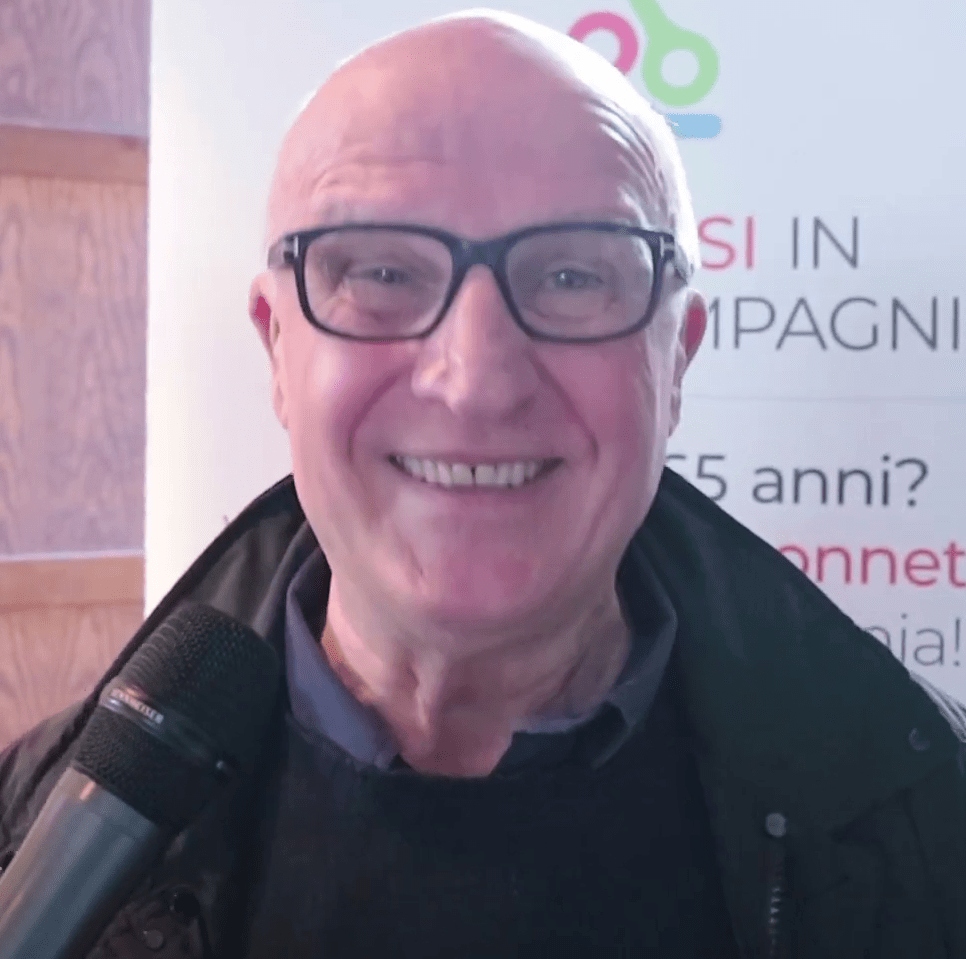
Paolo Hendel is a celebrated Italian comedian, actor, and writer known for his incisive satire and sharp wit. Born on January 2, 1952, in Florence, Hendel’s career has spanned several decades, during which he has become a significant figure in Italian entertainment. From his early beginnings in cabaret to his rise in television and film, Hendel’s journey reflects the evolution of Italian comedy and the socio-political landscape of the country. This article delves into the life and career of Paolo Hendel, exploring his age, rise to fame, and key life highlights.
Early Life and Education
Paolo Hendel was born into a traditional Florentine family in the early 1950s. Growing up in a city renowned for its rich cultural heritage and artistic traditions, Hendel was exposed to the arts from a young age. However, his path to comedy was not straightforward. After completing his education, Hendel pursued a degree in literature, a field that would later influence his comedic style, characterized by intellectual humor and literary references.
The Beginning of a Comedic Journey
Hendel’s entry into the world of comedy was marked by a unique blend of physical humor and sharp social commentary. His early performances were noted for their “animalistic” physicality, often involving bizarre acts such as smashing watermelons on his head. This physicality, combined with his keen observational skills, allowed him to carve out a niche in the Italian cabaret scene.
His first significant break came in the early 1980s when he began collaborating with David Riondino, a fellow Florentine artist known for his sophisticated approach to comedy. Together, they created a series of performances that showcased Hendel’s versatility and set the stage for his future success.
Rise to Fame in Television and Film
The late 1980s and early 1990s were a period of rapid growth in Hendel’s career. He made his television debut in 1987, hosting “Teletango,” a segment within the popular program “Va pensiero.” His role as the host of “I Martedì di Paolo Hendel” on Raitre in 1988 marked a turning point, bringing him widespread recognition and cementing his place in Italian television.
Hendel’s success on the small screen soon translated into opportunities in film. His first major film role was in “A Ovest di Paperino,” directed by the comedy troupe I Giancattivi. This was followed by appearances in several critically acclaimed films, including “La notte di San Lorenzo” (1982) by the Taviani brothers and “Speriamo che sia femmina” (1986) by Mario Monicelli. These roles allowed Hendel to showcase his acting talents, further enhancing his reputation as a versatile performer.
Carcarlo Pravettoni: A Satirical Icon
One of Hendel’s most enduring contributions to Italian comedy is his creation of Carcarlo Pravettoni, a satirical character that parodies the stereotypical ruthless businessman. Pravettoni first appeared in the popular television show “Mai dire gol,” produced by the Gialappa’s Band. The character’s exaggerated cynicism and relentless pursuit of profit resonated with audiences, making him one of Hendel’s most beloved personas.
Pravettoni’s popularity extended beyond television, with Hendel bringing the character to life in various other media, including books and live performances. The character became a vehicle for Hendel to critique the excesses of capitalism and the absurdities of corporate culture, all delivered with his trademark humor and wit.
Contributions to Italian Cinema
While Paolo Hendel is primarily known for his work in television and live comedy, his contributions to Italian cinema should not be overlooked. In addition to his early roles in films by the Taviani brothers and Mario Monicelli, Hendel appeared in a series of successful comedies throughout the 1990s. His collaboration with Leonardo Pieraccioni, another Florentine comedian and filmmaker, resulted in box office hits such as “Il Ciclone” and “Fuochi d’artificio.”
These films, while often dismissed as light entertainment, played a crucial role in defining the comedic landscape of 1990s Italy. Hendel’s performances, characterized by his unique blend of intellectual humor and physical comedy, brought a distinctive flavor to these productions, making them stand out in a crowded field.
Transition to Theater and Literary Pursuits
As the new millennium dawned, Paolo Hendel began to shift his focus away from television and film, choosing instead to concentrate on theater and writing. This transition allowed him to explore more serious themes while maintaining his comedic edge.
In 2003, Hendel published his first book, “Ma culo è una parolaccia?” (Is “Ass” a Bad Word?), a satirical exploration of human foibles and societal norms. The book, which blends humor with incisive social commentary, was well-received, further establishing Hendel as a multi-talented artist.
On the stage, Hendel continued to innovate, creating a series of one-man shows that tackled a wide range of topics, from politics to personal identity. His theatrical work, often more introspective and nuanced than his earlier performances, showcased his growth as an artist and his ability to adapt to changing times.
Legacy and Impact
Paolo Hendel’s impact on Italian comedy and culture is undeniable. Through his characters, performances, and writings, he has provided sharp critiques of Italian society while entertaining audiences with his unique brand of humor. His ability to blend intellectual insights with accessible comedy has made him a beloved figure across generations.
Moreover, Hendel’s work has influenced a new generation of comedians, who have drawn inspiration from his fearless approach to satire and his willingness to tackle difficult subjects. His legacy is one of both laughter and thought-provoking commentary, a combination that has ensured his place in the pantheon of Italian entertainment.
Conclusion
As Paolo Hendel continues to perform and engage with audiences, his career serves as a testament to the enduring power of comedy to reflect and shape societal norms. From his early days in cabaret to his current status as a cultural icon, Hendel’s journey is one of constant evolution, driven by a deep commitment to his craft and a relentless pursuit of truth through humor.
Whether through the lens of his satirical characters or his more serious theatrical work, Hendel has left an indelible mark on Italian culture. His story is one of resilience, creativity, and a deep understanding of the human condition, making him a figure worth celebrating.


