
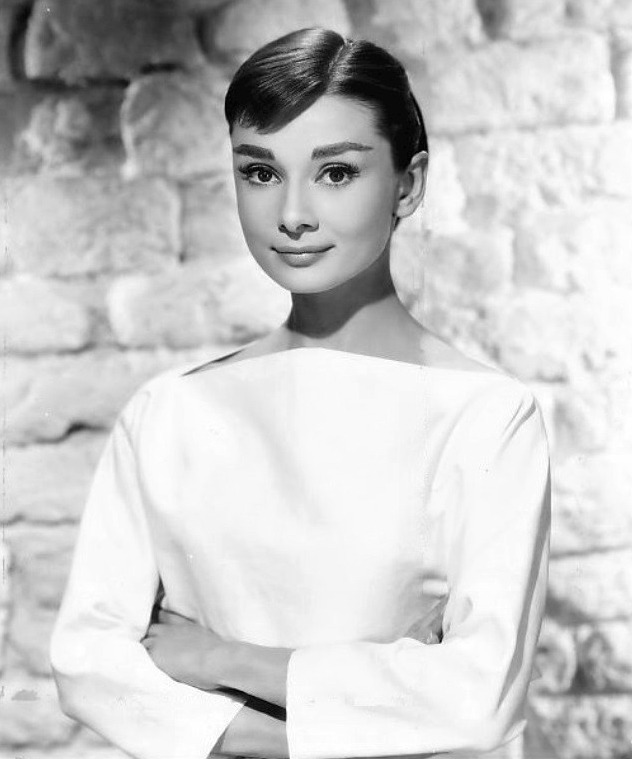
Audrey Hepburn is a name synonymous with elegance, grace, and timeless beauty. But her influence extends far beyond her striking appearance. As one of Hollywood’s most iconic actresses, Hepburn’s legacy is deeply rooted in her extraordinary life, marked by a blend of artistic brilliance, personal challenges, and an enduring humanitarian spirit. This article delves into the life of Audrey Hepburn, exploring her age, rise to fame, and the significant highlights that have made her an unforgettable figure in both film and global culture.
Early Life: A Glimpse into Audrey’s Formative Years
Audrey Kathleen Ruston, later known as Audrey Hepburn, was born on May 4, 1929, in Brussels, Belgium. Her father, an English banker, and her mother, a Dutch baroness, provided Audrey with a life of privilege during her early years. Despite her aristocratic upbringing, the shadow of World War II loomed over her childhood, forcing her and her family into a difficult period of scarcity and hardship.
During the war, Audrey adopted the name Edda Van Heemstra to avoid detection due to her British background, which could have made her a target during the German occupation of the Netherlands. The years of war took a toll on her health, leading to malnutrition and subsequent physical frailty. This experience not only shaped her delicate physique but also instilled in her a deep empathy for those suffering, a trait that would define her later humanitarian efforts.
The Blossoming of a Star: Audrey’s Journey to Fame
Audrey Hepburn’s entry into the world of entertainment was somewhat serendipitous. Her initial dream was to become a ballerina, a passion she pursued with vigor. However, her frail health, exacerbated by her wartime experiences, limited her prospects in the demanding world of ballet. Nevertheless, her striking beauty and poise did not go unnoticed.
Audrey’s first significant break came when she was discovered by the famed French writer Colette, who was then in her eighties. While vacationing in Monte Carlo, Colette was captivated by Audrey’s presence and insisted she star in the stage adaptation of her novel Gigi. This role marked Audrey’s theatrical debut and set the stage for her future successes.
Her big-screen debut came in 1953 with Roman Holiday, directed by William Wyler. Cast as a runaway princess, Audrey’s performance was nothing short of enchanting, earning her an Academy Award for Best Actress. Her portrayal of the innocent and playful Princess Ann captured the hearts of audiences worldwide and cemented her status as a leading lady in Hollywood.
The Height of Her Career: Iconic Roles and Hollywood Stardom
The 1950s and 1960s were the golden years of Audrey Hepburn’s career. She starred in a series of iconic films that showcased not only her acting talent but also her unique style, which would influence fashion for decades to come. Some of her most memorable roles include:
-
Sabrina (1954): Directed by Billy Wilder and co-starring Humphrey Bogart and William Holden, Sabrina further established Audrey as a style icon. Her portrayal of Sabrina Fairchild, a chauffeur’s daughter who captivates the hearts of two wealthy brothers, was both endearing and sophisticated. The film’s success solidified Audrey’s place in Hollywood’s elite.
-
Breakfast at Tiffany’s (1961): Perhaps the most iconic role of her career, Audrey’s portrayal of Holly Golightly in Breakfast at Tiffany’s remains a cultural touchstone. The film, based on Truman Capote’s novella, introduced the world to the image of Hepburn in a little black dress, pearls, and a cigarette holder, an image that has become synonymous with classic elegance.
-
My Fair Lady (1964): In this musical adaptation of George Bernard Shaw’s Pygmalion, Audrey played the role of Eliza Doolittle, a Cockney flower girl transformed into a lady. The film was a massive success and further showcased Audrey’s versatility as an actress.
-
Charade (1963): Starring opposite Cary Grant, Audrey delivered a charming and suspenseful performance in this romantic thriller. The chemistry between the two leads and the film’s blend of humor, romance, and mystery made it a classic.
These roles not only highlighted her acting prowess but also her impeccable sense of style. Audrey Hepburn’s collaboration with designer Hubert de Givenchy resulted in some of the most iconic fashion moments in cinematic history, making her a muse for fashion enthusiasts around the world.
Personal Life: Marriages, Motherhood, and Love
Despite her public persona as a glamorous movie star, Audrey Hepburn’s personal life was filled with its share of challenges and heartache. In 1954, she married actor Mel Ferrer, and the couple had a son, Sean Hepburn Ferrer. Their marriage, however, was far from perfect, and they eventually divorced in 1968.
During her marriage to Ferrer, Audrey met Italian psychiatrist Andrea Dotti. The two fell in love, and Audrey married Dotti in 1969. Their union resulted in the birth of her second son, Luca Dotti. Unfortunately, this marriage also ended in divorce, partly due to Dotti’s infidelity. Despite these personal setbacks, Audrey remained a devoted mother, placing her sons above all else.
In the final chapter of her life, Audrey found love and companionship with Dutch actor Robert Wolders, who became her partner until her death. Wolders provided Audrey with the stability and affection she had longed for, and the couple shared many happy years together.
Humanitarian Efforts: A Legacy Beyond the Screen
In the 1980s, Audrey Hepburn largely stepped away from the spotlight, choosing instead to dedicate herself to humanitarian work. Her experiences during World War II had left a lasting impact, fueling her desire to help those in need, particularly children. In 1988, she was appointed a UNICEF Goodwill Ambassador, a role she embraced with passion and dedication.
Audrey’s work with UNICEF took her to some of the world’s most impoverished regions, where she advocated for children’s rights and worked tirelessly to raise awareness and funds. Her missions included visits to Ethiopia, Bangladesh, Vietnam, and Somalia, where she witnessed firsthand the devastating effects of famine, war, and poverty.
Audrey’s humanitarian work earned her numerous accolades, including the Presidential Medal of Freedom, one of the United States’ highest civilian honors. Her commitment to helping others left an indelible mark, and she is remembered as much for her compassion and kindness as for her contributions to cinema.
Audrey Hepburn’s Enduring Legacy
Audrey Hepburn passed away on January 20, 1993, at the age of 64, in her home in Tolochenaz, Switzerland, after a battle with colon cancer. Her death was a profound loss to the world, but her legacy lives on through her films, her fashion, and her humanitarian work.
Even decades after her passing, Audrey Hepburn remains an enduring icon. Her influence can be seen in fashion, where her timeless style continues to inspire designers and fashionistas alike. In cinema, her performances are celebrated for their depth, charm, and elegance, with new generations discovering and falling in love with her work.
Moreover, her humanitarian efforts continue to resonate, inspiring countless individuals to give back and make a difference in the world. Audrey Hepburn’s life was a testament to the power of grace, kindness, and compassion, both on and off the screen.
Conclusion: The Timeless Appeal of Audrey Hepburn
Audrey Hepburn’s life was one of extraordinary achievements, both in her professional career and her personal endeavors. She captivated audiences with her beauty, charm, and talent, but it was her grace, humility, and dedication to helping others that truly set her apart. As we reflect on her life, it becomes clear that Audrey Hepburn was much more than a Hollywood star; she was a beacon of elegance, humanity, and kindness.
Audrey’s story is not just one of fame and glamour but of resilience, empathy, and an unwavering commitment to making the world a better place. Her legacy continues to shine brightly, reminding us of the profound impact one person can have on the world.


