
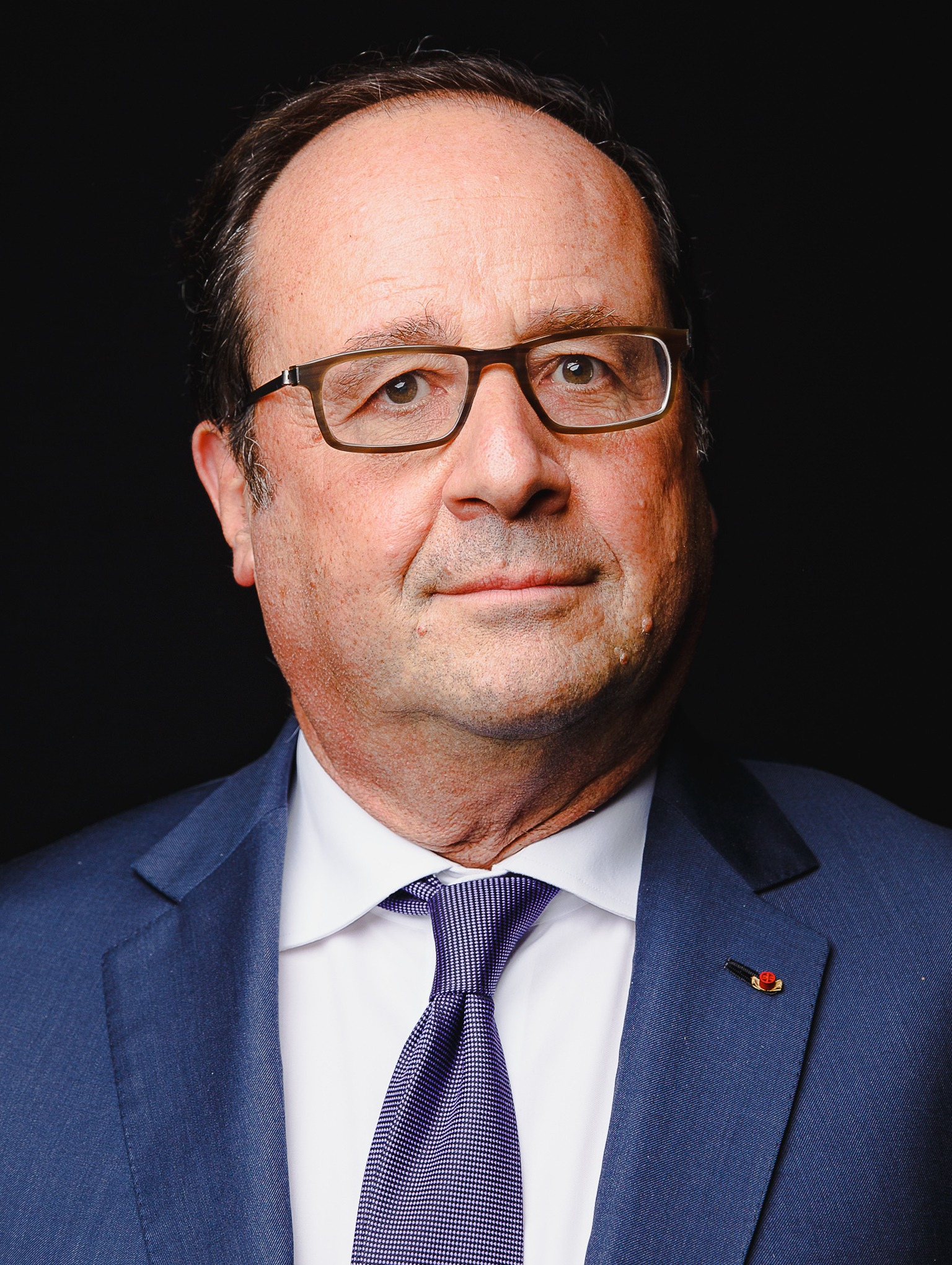
François Hollande, a prominent figure in French and international politics, was born on August 12, 1954, in Rouen, France. His journey to fame is a fascinating one, marked by his intellectual prowess, political acumen, and his role as a key player in shaping modern France. This article delves into his life, exploring his rise to prominence, key achievements, and the historical context that shaped his political career.
Early Life and Education
François Hollande was born into a middle-class family in Rouen. His father, Georges Hollande, was a physician, and his mother, Nicole Frédérique Marguerite Tribert, was a social worker. Growing up in an environment that valued education and social service, Hollande was encouraged to pursue academic excellence from a young age.
Hollande’s educational journey is impressive. He attended the prestigious HEC Paris, one of the top business schools in France, where he earned a degree in Economics. He furthered his education at the Institut d’études politiques de Paris (Sciences Po), a leading institution in the field of political science, where he honed his understanding of economics and politics. His academic achievements culminated with his admission to the École nationale d’administration (ENA), one of the most selective and prestigious graduate schools in France, which has produced many of the country’s top civil servants and politicians.
Early Career and Political Rise
Before entering politics full-time, François Hollande was an academic, teaching Economics at Sciences Po. His time in academia was short-lived, as his passion for public service and politics soon took over. In 1988, he was elected as a member of the French National Assembly for the first time, representing the department of Corrèze, a position he held for several terms.
Hollande’s political career within the Socialist Party (PS) was marked by rapid advancement. By 1997, he had risen to become the First Secretary of the Socialist Party, a position he held for over a decade. During his tenure, Hollande played a crucial role in shaping the party’s policies and strategies, particularly during the tumultuous years of the late 1990s and early 2000s when the Socialist Party was grappling with internal divisions and external challenges.
Key Political Positions and Policies
Throughout his political career, Hollande was known for his pragmatic approach and his ability to navigate the complexities of French and European politics. His political ideology was closely aligned with the Third Way, a centrist approach to governance that was popularized by leaders like Tony Blair in the UK and Bill Clinton in the US. This approach sought to reconcile leftist social policies with market-driven economic strategies, making it appealing to both moderates and progressives within the Socialist Party.
Hollande’s political influence was not limited to his party. He held several key political positions, including serving as the Mayor of Tulle from 2001 to 2008 and as the President of the General Council of Corrèze from 2008. These roles allowed him to gain valuable experience in local governance and public administration, further enhancing his political credentials.
The Path to the Presidency
François Hollande’s path to the presidency was anything but straightforward. His candidacy in the 2012 French presidential election was initially met with skepticism, both within his party and by the broader electorate. However, Hollande’s steady demeanor, coupled with his emphasis on addressing economic inequalities and promoting social justice, resonated with a significant portion of the French populace.
The 2012 presidential election was marked by intense competition, particularly between Hollande and the incumbent president, Nicolas Sarkozy. Hollande’s campaign focused on reversing the austerity measures implemented by Sarkozy’s government, promising to prioritize job creation, education, and social welfare programs. His message of change and renewal struck a chord with voters, leading to his victory in the second round of the election on May 6, 2012.
Presidency and Legacy
François Hollande’s presidency was a period of significant challenges and notable achievements. Taking office during a time of economic uncertainty, both in France and across Europe, Hollande faced the daunting task of steering the country through the aftermath of the global financial crisis. His administration implemented a series of economic reforms aimed at reducing the deficit and stimulating growth, though these measures were often met with mixed reactions from both the public and political commentators.
One of the most significant aspects of Hollande’s presidency was his commitment to social issues. Under his leadership, France legalized same-sex marriage in 2013, a landmark achievement that was celebrated by progressives but also sparked widespread protests among conservatives. Hollande’s stance on social justice issues, particularly his advocacy for LGBTQ+ rights, has had a lasting impact on French society.
Hollande’s foreign policy was characterized by a strong commitment to European integration and international diplomacy. He played a pivotal role in the negotiations that led to the Paris Agreement on climate change in 2015, showcasing France’s leadership on the global stage in the fight against climate change. His administration also took a firm stance against terrorism, particularly in the wake of the tragic attacks in Paris in 2015, which left the nation reeling. Hollande’s response to these attacks, including his decision to launch airstrikes against ISIS in Syria, was a defining moment of his presidency.
However, Hollande’s presidency was not without its controversies and criticisms. His handling of the economy, particularly his inability to significantly reduce unemployment, led to declining approval ratings over the course of his term. By the end of his presidency, Hollande’s popularity had plummeted, leading him to make the unprecedented decision not to seek re-election in 2017.
Personal Life and Public Image
François Hollande’s personal life has often been the subject of public scrutiny, particularly his long-term relationship with Ségolène Royal, a fellow politician and mother of his four children. The couple’s relationship, which lasted until 2007, was never formalized by marriage, but it was a significant partnership both personally and politically. Royal herself was a prominent figure in the Socialist Party, and she ran as the party’s candidate in the 2007 presidential election, which she ultimately lost to Nicolas Sarkozy.
Hollande’s personal life made headlines again during his presidency when his relationship with journalist Valérie Trierweiler became public. The media’s focus on his private life, particularly the controversy surrounding his relationship with Trierweiler, often overshadowed his political achievements. Despite this, Hollande managed to maintain a reputation as a dedicated public servant, known for his modesty and down-to-earth demeanor.
Historical Context and Impact
To fully understand François Hollande’s impact, it is essential to consider the historical context in which he rose to power. Hollande’s political career unfolded during a period of significant change in France and Europe. The end of the Cold War, the expansion of the European Union, and the global financial crisis all shaped the political landscape in which Hollande operated.
Hollande’s presidency, in particular, was marked by the challenges of navigating a rapidly changing world. The rise of populism, economic uncertainty, and the growing threat of terrorism were all issues that Hollande had to address during his time in office. His ability to maintain stability in France during these turbulent times is a testament to his leadership and resilience.
In retrospect, François Hollande’s legacy is one of both achievements and missed opportunities. While he made significant strides in social policy and international diplomacy, his presidency was marred by economic struggles and declining public support. Nevertheless, his contributions to French politics and his role in shaping the country’s modern history cannot be overlooked.
Conclusion
François Hollande remains a significant figure in French politics, known for his intellectual rigor, commitment to social justice, and steady leadership during challenging times. His life and career offer valuable insights into the complexities of governance and the ever-changing dynamics of political life in France. As history continues to evaluate his legacy, Hollande’s impact on France and the world will undoubtedly remain a topic of discussion for years to come.


