
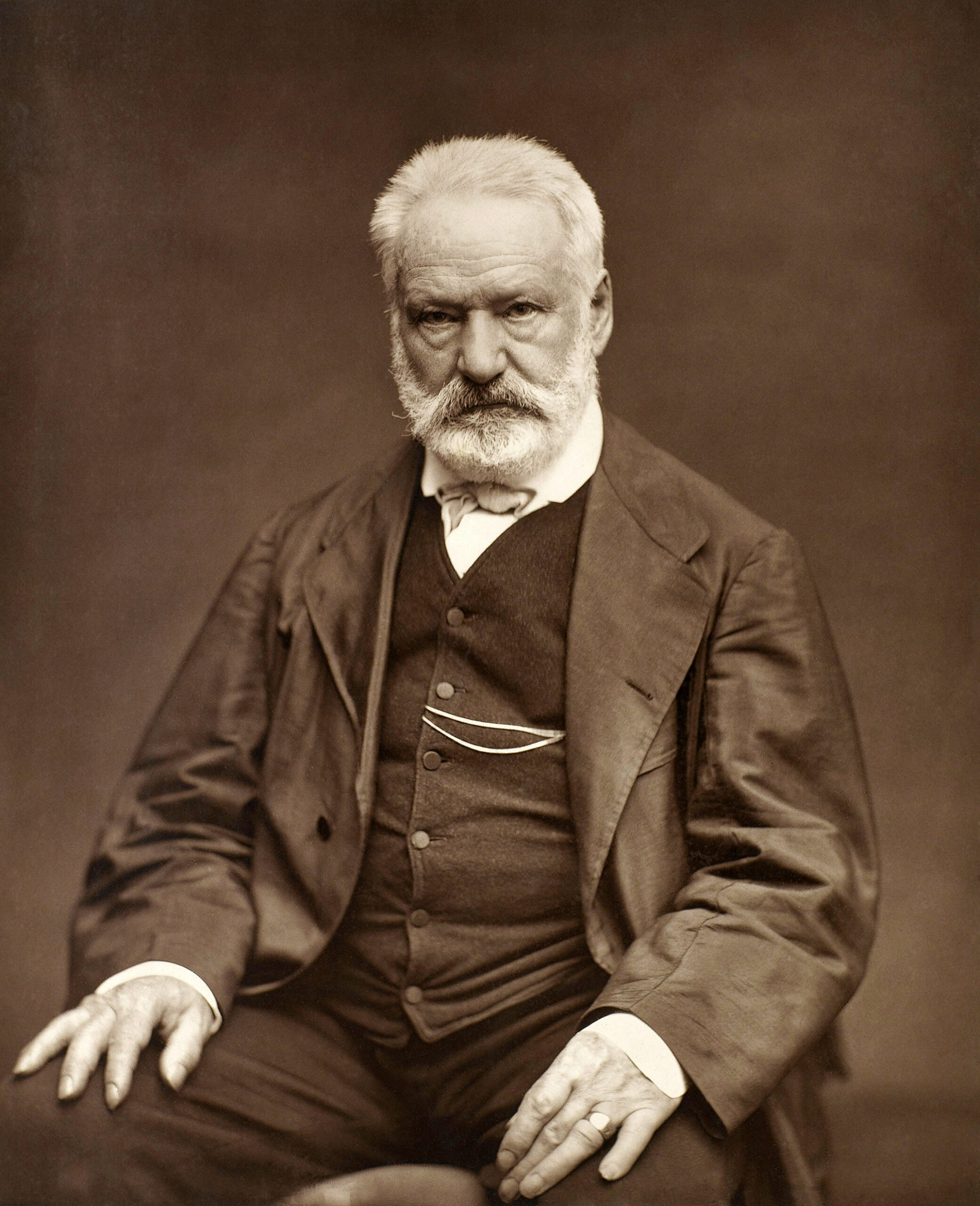
Victor Hugo, a name synonymous with literary genius and profound societal influence, stands as one of the most significant figures in French literature. Renowned for his poetic and narrative mastery, Hugo’s works transcend time, continuing to captivate readers and scholars alike. This comprehensive exploration delves into Hugo’s age, fame, and life highlights, offering detailed insights into his illustrious career and historical context.
Early Life and Background
Victor Marie Hugo was born on February 26, 1802, in Besançon, France. His early years were shaped by a tumultuous political landscape and a complex family dynamic. His father, Léopold Hugo, was a general in Napoleon’s army, while his mother, Sophie Trébuchet, was a fervent royalist. This duality in political leanings influenced Hugo’s perspective on societal issues, which would later permeate his literary works.
Hugo’s family moved frequently due to his father’s military career, exposing him to various cultural and political environments across France and beyond. This exposure played a crucial role in shaping his worldview and literary voice. By the age of 14, Hugo had already demonstrated exceptional literary talent, winning numerous prizes for his poetry.
Rise to Literary Fame
Victor Hugo’s ascent to fame began in his early twenties. His debut novel, “Han d’Islande” (1823), was well-received, but it was his poetry that truly established his reputation. The publication of “Odes et Ballades” (1826) showcased his innovative use of language and thematic depth, earning him acclaim as a formidable poet.
Hugo’s breakthrough came with the novel “Notre-Dame de Paris” (1831), known in English as “The Hunchback of Notre-Dame.” This work not only cemented his place in literary history but also highlighted his ability to intertwine compelling storytelling with social commentary. The novel, set in medieval Paris, explores themes of love, justice, and social inequality, reflecting Hugo’s deep empathy for the marginalized and oppressed.
The Political and Social Advocate
Hugo’s literary career was intertwined with his fervent political activism. A committed Republican, he became a vocal critic of the French monarchy and later, Napoleon III’s regime. His political beliefs were reflected in his writings and public speeches, where he advocated for democratic reforms and human rights.
His political activism led to periods of exile. After the coup d’état of 1851, Hugo fled to Brussels, then Jersey, and finally Guernsey, where he lived in exile for nearly two decades. During this time, he continued to write prolifically, producing some of his most significant works. His novel “Les Misérables” (1862), published during his exile, is a monumental exploration of social justice, poverty, and redemption, and remains one of his most celebrated works.
Major Works and Contributions
“Les Misérables” (1862): This epic novel is arguably Hugo’s magnum opus. The narrative, spanning several decades, follows the lives of various characters struggling with social injustice in post-revolutionary France. Through its intricate plot and rich characterizations, the novel addresses themes of redemption, justice, and the human condition. The impact of “Les Misérables” extends beyond literature, influencing various adaptations in film, theater, and musical theater.
“The Hunchback of Notre-Dame” (1831): This novel not only brought Hugo international fame but also played a pivotal role in the preservation of the Notre-Dame Cathedral. The book’s success led to a renewed interest in the cathedral’s architecture, contributing to its restoration and preservation as a cultural landmark.
“Toilers of the Sea” (1866): Another significant work, this novel explores themes of human struggle and nature’s power, set against the backdrop of the sea. It reflects Hugo’s fascination with the natural world and its interplay with human endeavor.
“The Legend of the Ages” (1880): This collection of poetry, published posthumously, encapsulates Hugo’s lifelong exploration of human existence, history, and spirituality. The poems reflect his philosophical and existential reflections, showcasing his enduring literary prowess.
Personal Life and Legacy
Victor Hugo’s personal life was marked by both triumph and tragedy. His marriage to Adèle Foucher in 1822 was a union of mutual affection and intellectual companionship. The couple had five children, but Hugo’s life was marred by personal losses, including the tragic deaths of two of his children.
Hugo’s influence extended beyond literature and politics. His legacy includes significant contributions to French cultural heritage and global literary traditions. His works have been translated into numerous languages and have inspired countless adaptations in various artistic forms.
Hugo passed away on May 22, 1885, in Paris, leaving behind a profound legacy that continues to resonate. His funeral was attended by a massive crowd, reflecting the immense impact he had on French society and beyond.
Historical Context and Influence
Victor Hugo’s career unfolded against a backdrop of political upheaval and social change in France. His writings provide a lens through which the complexities of 19th-century French society can be understood. The themes of social justice and human dignity in his works echo the struggles of the common people and the quest for reform during his time.
Hugo’s influence extends beyond literature into the realm of social and political thought. His advocacy for human rights and social justice has had a lasting impact on French and global perspectives on equality and democracy. His literary techniques, including his use of vivid imagery and complex characters, have influenced numerous writers and literary movements.
SEO and Online Presence
In the digital age, Victor Hugo’s works and legacy are widely accessible through various online platforms. Websites like Biografie Online offer comprehensive biographical information and analyses of his contributions to literature and society. Hugo’s works are also available through digital libraries and online retailers, ensuring that his influence continues to reach new generations of readers.
Conclusion
Victor Hugo remains a towering figure in the literary world, his works continuing to inspire and provoke thought. From his early successes to his profound contributions as a political and social advocate, Hugo’s life and career offer a rich tapestry of achievement and influence. His legacy, enshrined in his novels, poetry, and political activism, endures as a testament to his genius and his unwavering commitment to social justice.


