
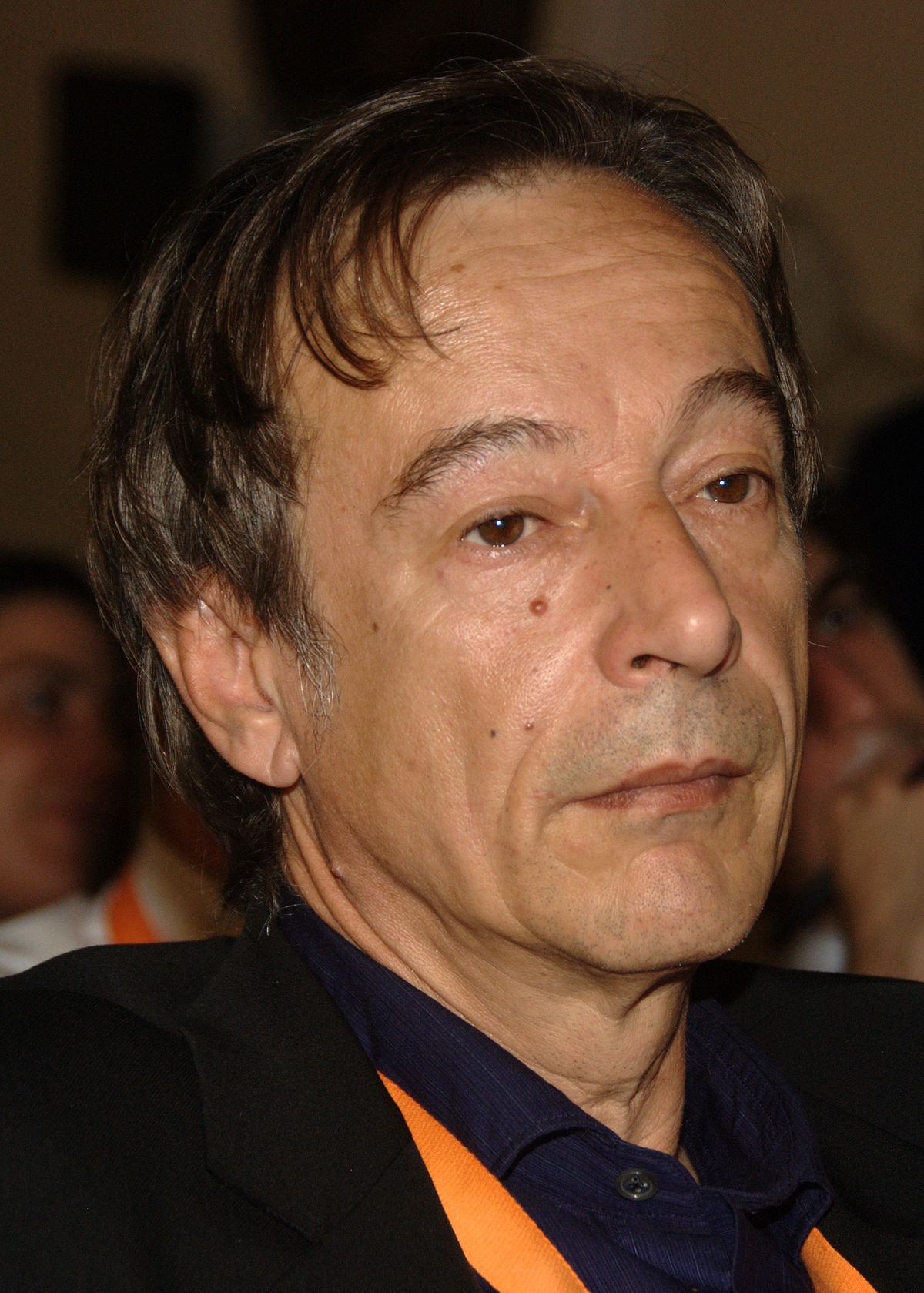
Riccardo Iacona, born on April 27, 1957, in Rome, Italy, is a renowned journalist, television host, and documentary filmmaker. With a career spanning over four decades, Iacona has become one of Italy’s most respected figures in investigative journalism. Known for his in-depth reporting and commitment to uncovering the truth, Iacona has played a pivotal role in shaping the landscape of Italian journalism. This article delves into his life, career, and the significant milestones that have defined his journey in the media industry.
Early Life and Education
Riccardo Iacona’s early life was rooted in Rome, where he was born and raised. His passion for storytelling and communication led him to pursue higher education in the field of arts and media. Iacona enrolled at the University of Bologna, one of Italy’s oldest and most prestigious universities, where he studied disciplines related to performing arts and media. He graduated with a degree from the Faculty of Letters and Philosophy, specializing in entertainment and media studies.
During his time at university, Iacona developed a deep interest in the power of visual storytelling and the impact it could have on society. This passion would later become the foundation of his career in journalism and documentary filmmaking.
Early Career: From Assistant Director to Journalist
Iacona’s professional journey began in the 1980s, working as an assistant director in both cinema and television. This role provided him with valuable experience in the technical aspects of filmmaking and production, which would later inform his work as a journalist and documentary filmmaker. During this period, Iacona honed his skills in visual storytelling, learning how to craft compelling narratives through the lens of a camera.
In 1987, Iacona transitioned to a role that would set the stage for his future career: he joined Rai Tre, the third channel of Italy’s national public broadcasting company, RAI. At Rai Tre, he initially worked on programs like “Scenario,” hosted by Andrea Barbato, and “Duello,” both curated by Nino Criscenti. These early projects exposed Iacona to the world of investigative journalism and the power of media in addressing social issues.
The Collaboration with Michele Santoro
One of the most significant turning points in Iacona’s career came when he began working with Michele Santoro, a prominent Italian journalist and television host known for his bold and often controversial investigative programs. The collaboration with Santoro proved to be a defining moment for Iacona, who became an integral part of Santoro’s team.
Together, they worked on several groundbreaking television programs, including “Samarcanda,” “Il Rosso e il Nero,” and “Temporeale.” These shows were known for their fearless approach to journalism, tackling sensitive topics such as political corruption, organized crime, and social injustice. Iacona’s work on these programs helped establish his reputation as a journalist who was unafraid to confront powerful institutions and expose uncomfortable truths.
In 1996, Iacona followed Santoro to Mediaset, one of Italy’s largest commercial broadcasters. There, they co-authored and produced the programs “Moby Dick” and “Moby’s,” which continued the tradition of hard-hitting investigative journalism. These programs further solidified Iacona’s standing as a leading figure in Italian media.
Return to RAI and the Birth of “Presadiretta”
In 1999, Iacona returned to RAI, again working alongside Santoro. This period marked the beginning of some of Iacona’s most influential work. He contributed to the creation of “Circus” and “Sciuscià,” two television programs that focused on deep investigative reporting and social commentary.
However, it was in the early 2000s that Iacona truly came into his own. In 2004, he became the author and director of the documentary series “Italiani,” which aired on Rai Tre. The series included several critically acclaimed episodes such as “W gli Sposi” (Long Live the Bride and Groom), “W il Mercato” (Long Live the Market), and “W la Ricerca” (Long Live Research). These documentaries were praised for their in-depth exploration of Italian society and the challenges faced by ordinary citizens. Iacona’s work on “Italiani” earned him numerous awards, including the prestigious Ilaria Alpi Award, the Flaiano Prize, and the Città di Santa Marinella Award.
Building on the success of “Italiani,” Iacona launched another groundbreaking series titled “W l’Italia” (Long Live Italy) in 2005. This series featured investigative reports on various aspects of Italian life, including healthcare, housing, and the judiciary. Notable episodes included “Case!” (Houses!), “Ospedali!” (Hospitals!), and “Tribunali!” (Courts!). The show’s success led to a second series in 2007 titled “Pane e Politica” (Bread and Politics), which continued to explore critical issues in Italian society.
In 2007, Iacona expanded his journalistic reach with “W L’ITALIAdiretta,” a summer series that took viewers on a journey across Italy, reporting live from different locations each week. This innovative approach to investigative journalism provided a unique and engaging way to connect with audiences, bringing the realities of Italian life directly into their homes.
International Reporting and “Presadiretta”
Riccardo Iacona’s work has not been limited to domestic issues. He has also made significant contributions to international journalism. In 2008, he produced two international documentaries titled “La Guerra Infinita” (The Endless War), which focused on the conflicts in Kosovo and Afghanistan. These documentaries were broadcast in prime time on Rai Tre and were praised for their thorough investigation and sensitive portrayal of the human cost of war.
However, Iacona’s most enduring contribution to Italian journalism came in 2010 with the launch of “Presadiretta,” a weekly investigative program that continues to air on Rai Tre. “Presadiretta” quickly became one of Italy’s most respected investigative journalism shows, known for its in-depth reporting and fearless approach to tackling difficult topics. The program covers a wide range of issues, from political corruption and environmental crises to social justice and global conflicts.
Iacona’s role as both the creator and host of “Presadiretta” has allowed him to shape the program’s editorial direction, ensuring that it remains a platform for rigorous journalism and public accountability. Under his leadership, “Presadiretta” has won numerous awards and has been instrumental in bringing important issues to the forefront of public discourse in Italy.
Personal Life and Legacy
Despite his high-profile career, Riccardo Iacona has managed to maintain a relatively private personal life. He is known for his dedication to his work and his commitment to using journalism as a tool for social change. Iacona’s approach to journalism is characterized by his belief in the power of storytelling to inform, educate, and inspire action.
Throughout his career, Iacona has been driven by a passion for uncovering the truth and giving a voice to those who are often marginalized or overlooked by mainstream media. His work has not only had a significant impact on Italian journalism but has also set a standard for investigative reporting worldwide.
Iacona’s legacy is one of integrity, courage, and a relentless pursuit of justice. His contributions to journalism have earned him a place among the most influential media figures in Italy, and his work continues to inspire both seasoned journalists and aspiring reporters alike.
Conclusion: The Impact of Riccardo Iacona
Riccardo Iacona’s career is a testament to the power of journalism in shaping public opinion and holding those in power accountable. From his early days as an assistant director to his current role as the host of “Presadiretta,” Iacona has consistently pushed the boundaries of investigative journalism, bringing important stories to light and advocating for social justice.
As he continues to work on “Presadiretta” and other projects, Iacona remains a vital voice in the Italian media landscape. His commitment to truth, transparency, and public service has left an indelible mark on Italian journalism, and his influence will be felt for generations to come.


