
Introduction
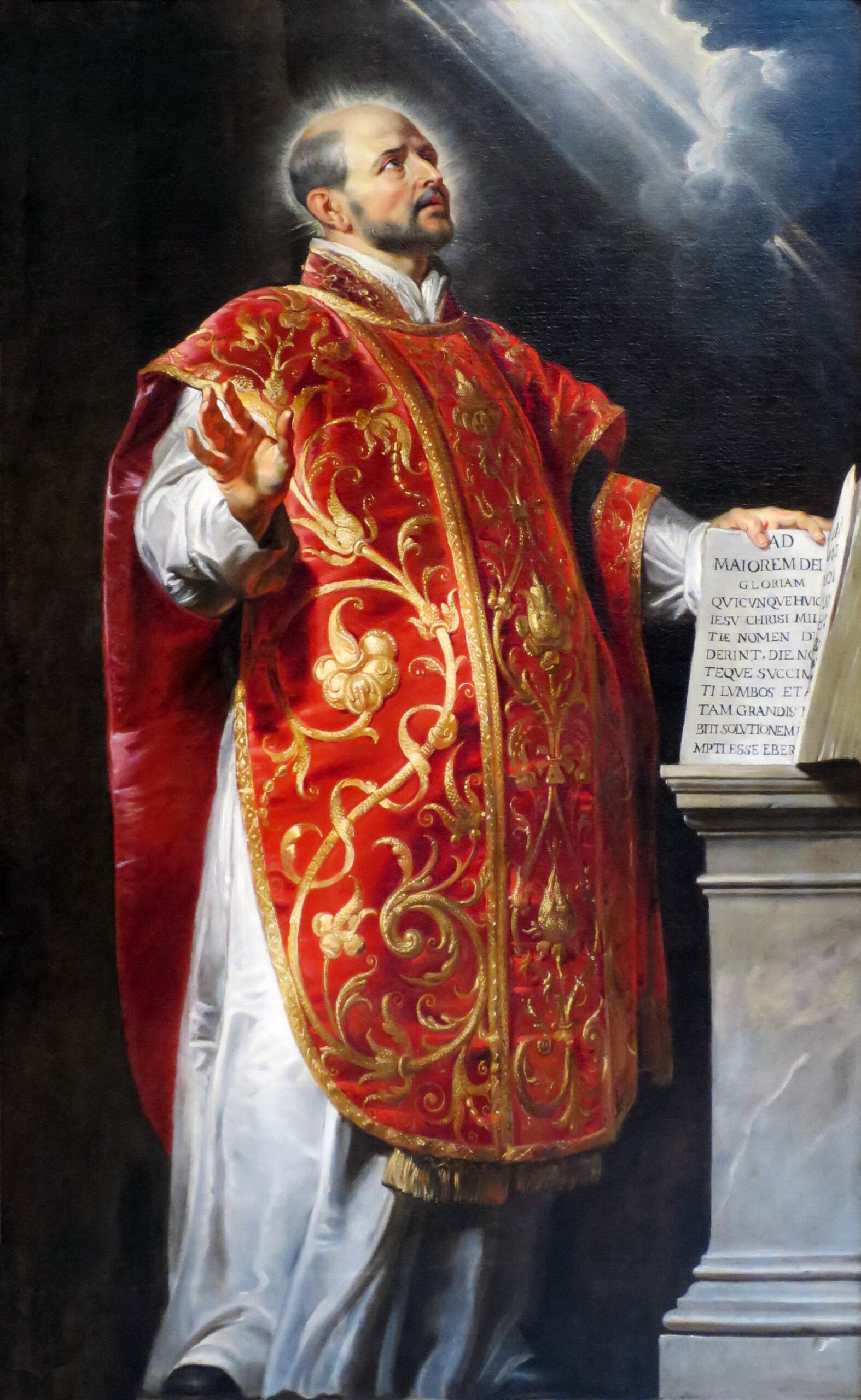
Ignatius of Loyola, born Íñigo López de Loyola on October 23, 1491, in the Castle of Loyola, near the city of Azpeitia in the Basque region of Spain, is a towering figure in the history of Christianity. Best known as the founder of the Society of Jesus, or the Jesuits, Ignatius played a pivotal role in the Counter-Reformation, the movement within the Catholic Church to reform itself in response to the Protestant Reformation. His legacy is profound, not just in religious terms, but also in education, spirituality, and global missionary work. This article delves deep into the life of Ignatius of Loyola, exploring his journey from a soldier to a saint, and examining the lasting impact of his work on the world.
Early Life and Background
Ignatius of Loyola was born into a noble family in the Basque country, the youngest of thirteen siblings. His early life was marked by the typical pursuits of nobility in the late 15th century—knighthood, courtly manners, and a desire for military glory. However, this path was abruptly altered in 1521 when Ignatius, serving as a soldier in the Battle of Pamplona, was severely injured by a cannonball that shattered his leg. This event, which could have been the end of his ambitions, instead marked the beginning of a profound transformation.
During his long convalescence at his family’s castle, Ignatius began reading religious texts, including the lives of saints and the Bible. These readings, coupled with the intense pain and immobility, led him to reflect deeply on his life and his purpose. Influenced by the examples of saints like Francis of Assisi, Ignatius resolved to abandon his former life of vanity and devote himself entirely to God. This decision set him on a path that would lead to the founding of one of the most influential religious orders in history.
Spiritual Awakening and the Birth of the Jesuit Order
Following his recovery, Ignatius embarked on a pilgrimage to the Holy Land, seeking to imitate the lives of Christ and the saints as closely as possible. However, circumstances forced him to return to Spain, where he began to develop his unique method of prayer and contemplation. These practices, which emphasized discernment and self-examination, were later codified in his most famous work, the “Spiritual Exercises.” This manual for spiritual direction became the cornerstone of Jesuit spirituality and has influenced countless individuals over the centuries.
In 1528, Ignatius moved to Paris to pursue formal education at the University of Paris, where he studied theology and philosophy. It was here that he began to gather a group of like-minded individuals who were drawn to his vision of a life devoted entirely to serving God. Among these early followers were key figures such as Francis Xavier, Peter Faber, and James Lainez, who would later play crucial roles in the expansion of the Jesuit Order.
On August 15, 1534, Ignatius and his six companions took vows of poverty and chastity at Montmartre, near Paris, and committed themselves to a life of missionary work. This event marked the official founding of the Society of Jesus, though the order would not receive formal papal approval until 1540. The Jesuits, as they came to be known, quickly distinguished themselves by their dedication to education, missionary work, and their unwavering loyalty to the Pope.
The Jesuits and the Counter-Reformation
The Society of Jesus was established during a time of great upheaval within the Catholic Church. The Protestant Reformation, initiated by Martin Luther in 1517, had spread rapidly across Europe, challenging the authority of the Pope and leading to widespread religious conflict. The Catholic Church’s response, known as the Counter-Reformation, aimed to address the criticisms raised by the Reformers and to renew the Church’s spiritual life.
The Jesuits, under Ignatius’s leadership, became a driving force behind the Counter-Reformation. They established schools and universities across Europe, which not only provided high-quality education but also served as centers for Catholic theological and philosophical thought. These institutions played a critical role in training future leaders of the Church and ensuring the continuity of Catholic doctrine in the face of Protestant challenges.
In addition to their work in education, the Jesuits were renowned for their missionary zeal. Ignatius sent his followers across the globe, from India to Japan, and from Africa to the Americas, where they sought to spread the Catholic faith and convert indigenous populations. This global outreach was unprecedented and established the Jesuits as one of the most important missionary organizations in the history of Christianity.
Ignatius’s Later Years and Legacy
Ignatius spent the final years of his life in Rome, where he continued to guide the rapidly growing Jesuit Order. In 1548, the “Spiritual Exercises” were published for the first time, and their impact was immediate and widespread. The text provided a systematic approach to spiritual development, emphasizing the importance of self-awareness, personal discernment, and the active pursuit of God’s will in everyday life.
In 1554, Ignatius finalized the “Constitutions of the Society of Jesus,” which outlined the organizational structure of the Jesuit Order. The Constitutions established a centralized, hierarchical system that allowed for efficient decision-making and ensured that the Jesuits could respond quickly to the needs of the Church. One of the key principles articulated in the Constitutions was the concept of “Ad Maiorem Dei Gloriam” (“For the Greater Glory of God”), which became the unofficial motto of the Jesuits and encapsulated their commitment to selfless service.
Ignatius of Loyola passed away on July 31, 1556, in Rome. His death did not mark the end of his influence; rather, his teachings and the order he founded continued to grow in importance. The Jesuits became instrumental in the global spread of Catholicism, particularly in Asia and the Americas, where they established missions and schools that remain influential to this day.
Ignatius was canonized as a saint on March 12, 1622, by Pope Gregory XV. His feast day, celebrated on July 31, is a reminder of his enduring legacy in the Church. The Church of the Gesù in Rome, where his remains are interred, stands as a testament to his life and work.
The Influence of Ignatius of Loyola on Modern Education
One of the most enduring legacies of Ignatius of Loyola is the Jesuit approach to education. From the outset, the Jesuits placed a strong emphasis on learning, not only as a means of personal spiritual development but also as a tool for social change. Jesuit schools, colleges, and universities were established across Europe and beyond, becoming renowned for their academic rigor and commitment to the holistic development of students.
The Jesuit educational philosophy, which stresses the formation of the whole person—intellectually, morally, and spiritually—has had a profound impact on modern education. Jesuit institutions continue to be respected worldwide for their emphasis on critical thinking, ethical leadership, and social justice. Alumni of Jesuit schools and universities include numerous influential figures in politics, science, business, and the arts, underscoring the lasting impact of Ignatius’s vision.
Conclusion
Ignatius of Loyola’s life is a story of transformation, resilience, and unwavering faith. From his early days as a soldier seeking glory on the battlefield to his later years as a spiritual leader and founder of the Jesuit Order, Ignatius’s journey is one of profound personal change and enduring global impact. His contributions to the Catholic Church, particularly through the Jesuit Order, have left an indelible mark on history.
The legacy of Ignatius of Loyola continues to be felt today, not only in the religious sphere but also in education and global missionary work. His teachings, particularly the “Spiritual Exercises,” remain a cornerstone of Catholic spirituality, guiding individuals in their quest for a deeper relationship with God. The Jesuit Order, with its commitment to education, social justice, and missionary work, stands as a living testament to Ignatius’s vision and dedication.
As we reflect on the life of Ignatius of Loyola, we are reminded of the power of faith, the importance of discernment, and the enduring value of service to others. His life serves as an inspiration to all who seek to live with purpose and to contribute positively to the world around them.


