
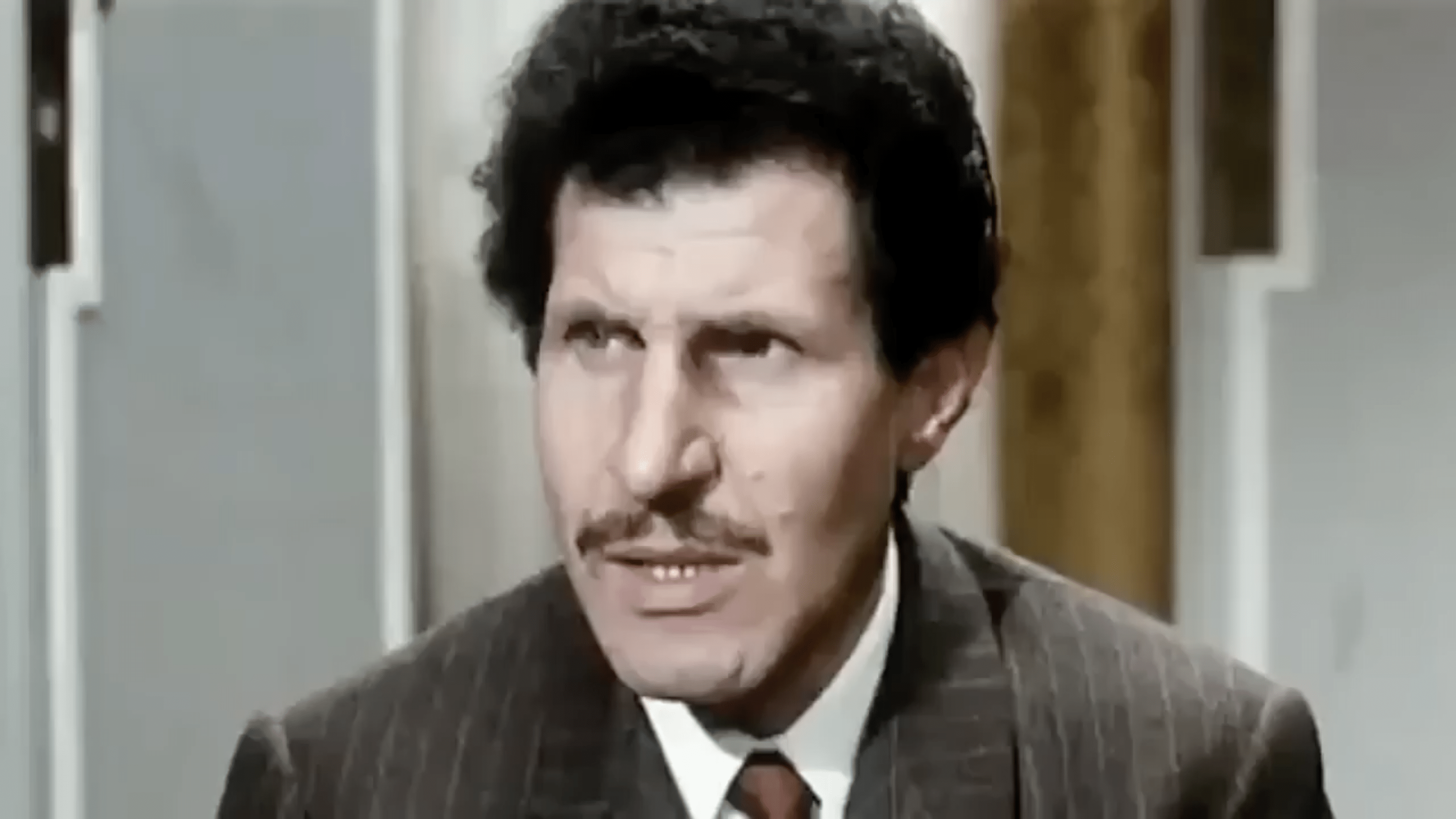
Ciccio Ingrassia, born Francesco Ingrassia on October 5, 1922, in Palermo, Italy, is a name synonymous with Italian comedy, particularly for his role in the legendary comic duo “Franco e Ciccio” alongside Franco Franchi. Over the decades, Ciccio became a beloved figure in Italian entertainment, recognized for his sharp wit, comedic timing, and his ability to bring to life a wide array of characters on both the big screen and television. This article delves into his life, fame, and the key highlights that define his illustrious career.
Early Life and Background
Francesco Ingrassia was born into a humble family in Palermo, Sicily. The harsh economic realities of the time, particularly in southern Italy, played a significant role in shaping Ciccio’s early life and career. He was a product of the “teatro di strada” or street theater, a form of entertainment that was both accessible and popular among the lower classes. This grassroots theater was where Ciccio first honed his craft, learning the art of performance through sheer necessity and a deep-seated passion for the stage.
Interestingly, official records inaccurately list Ciccio’s birth year as 1923—a mistake he never bothered to correct. This seemingly minor detail speaks volumes about Ciccio’s character; he was more concerned with his art than with bureaucratic precision.
The Formation of a Legendary Duo
The turning point in Ciccio’s life came when he met Franco Franchi (born Francesco Benenato), another Sicilian with a passion for comedy. Their meeting was serendipitous, but it quickly became evident that they shared an almost perfect comedic chemistry. Ciccio’s role as the “straight man” complemented Franco’s more chaotic and exaggerated comedic style. Together, they formed the iconic duo “Franco e Ciccio,” with Ciccio often playing the serious, stern character, while Franco played the goofy, disjointed marionette.
Their early years together were spent performing in post-war avanspettacolo (a form of variety show), a genre that allowed them to build their reputation among the masses. The duo’s big break came thanks to Domenico Modugno, an influential figure in Italian entertainment. Modugno not only cast them in the musical comedy “Rinaldo in campo” but also introduced them to film director Mario Mattoli, who gave them their first brief appearance in the 1960 film “Appuntamento a Ischia.” This marked the beginning of their long and successful film career.
The Golden Era of Franco and Ciccio
Franco and Ciccio quickly became household names in Italy, especially among the working class, who found their brand of humor relatable and entertaining. Over the course of their careers, they starred in over 150 films, many of which were parodies of popular movies or cultural phenomena. Some of their most memorable films include “I brutti di notte,” “Sedotti e bidonati,” “I due figli di Ringo,” “I due pompieri,” and “I nipoti di Zorro.” Each of these films showcased their unique ability to satirize and lampoon, often blending slapstick with social commentary.
Despite the comedic nature of their work, Franco and Ciccio were also involved in more serious projects. They collaborated with some of the most prestigious names in Italian cinema, such as Buster Keaton in “Due marines e un generale,” Pier Paolo Pasolini in “Capriccio all’italiana,” and Vittorio De Sica in “Il giudizio universale.” These collaborations demonstrated Ciccio’s versatility as an actor and the respect he commanded within the industry.
Ciccio Ingrassia’s Solo Ventures
While Ciccio Ingrassia is best known for his work with Franco Franchi, he also had a successful solo career. He received critical acclaim for his performance in Elio Petri’s “Todo Modo,” which earned him the prestigious Nastro d’Argento award for Best Supporting Actor. This recognition was a testament to Ciccio’s ability to transcend the comedic roles that had defined much of his career.
In addition to acting, Ciccio tried his hand at directing. His directorial debut came with the film “Paolo il freddo,” in which he directed Franco Franchi. Later, in 1975, he directed and starred in “L’esorciccio,” a film that was more aligned with the duo’s comedic tradition. This film also provided Lino Banfi, another legendary Italian comedian, with his first starring role.
Television Success and Cultural Impact
The rise of television in the 1960s and 1970s further cemented Franco and Ciccio’s status as cultural icons. Their television appearances on shows like “Partitissima,” “Cantatutto numero uno,” and various editions of “Canzonissima” brought their humor into the homes of millions of Italians. Their sketches became an integral part of Italian popular culture, and their catchphrases and antics were often repeated by fans across the country.
One of the most memorable moments in their television career was their reconciliation during a live broadcast of “Domenica In,” hosted by Pippo Baudo. The duo had experienced numerous public disputes over the years, but this televised reunion touched the hearts of their audience, highlighting the deep bond that existed between them despite their differences.
The Later Years and Legacy
As the years passed, Franco and Ciccio’s work began to receive critical recognition. In 1984, the Taviani brothers cast them in the film “Kaos,” where they portrayed characters in a Luigi Pirandello novella. This was followed by Federico Fellini’s “Amarcord,” in which Ciccio played the role of a madman from a small town. These roles helped to reframe Franco and Ciccio’s contributions to Italian cinema, showing that their work was not just lowbrow comedy but also a reflection of the times and the society in which they lived.
In 1992, Ciccio Ingrassia faced the devastating loss of his longtime partner Franco Franchi, who passed away after a long illness. Ciccio’s heartfelt tributes to Franco in the following years were a testament to the deep friendship and professional respect they shared. Ciccio continued to work in theater, demonstrating his versatility and dedication to his craft until his own health began to decline.
Ciccio Ingrassia passed away on April 28, 2003, at the age of 80. He died in Rome, surrounded by his family, after a long battle with respiratory issues. His death marked the end of an era, but his legacy continues to live on through the numerous films, television shows, and performances that he left behind.
Historical and Cultural Context
Ciccio Ingrassia’s career cannot be fully appreciated without understanding the broader cultural and historical context in which he worked. Italy in the mid-20th century was a nation recovering from the ravages of World War II, and the entertainment industry played a crucial role in providing much-needed relief and laughter to a population that had endured great suffering.
The comedic style of Franco and Ciccio was deeply rooted in the traditions of commedia dell’arte, a form of theater that emerged in Italy in the 16th century. This style was characterized by its use of stock characters, improvisation, and physical comedy, all of which were hallmarks of Franco and Ciccio’s performances. Their work also reflected the social and political changes taking place in Italy during the post-war period, often using humor to address serious issues such as poverty, social inequality, and the challenges of modernization.
Moreover, Ciccio Ingrassia’s ability to move between different genres and media—from street theater to film and television—illustrates the adaptability and resilience that defined his career. His work with Franco Franchi, in particular, serves as a reminder of the power of comedy to unite people across different social and cultural backgrounds, providing a common language through which they could laugh at the absurdities of life.
SEO and Keyword Insights
For those looking to understand the SEO implications of this article, it’s important to note the use of specific keywords and phrases that are relevant to search intent. Terms like “Ciccio Ingrassia age,” “Ciccio Ingrassia fame,” and “Franco e Ciccio films” are strategically placed to capture the interest of users searching for information about Ciccio Ingrassia and his career. The inclusion of historical context and cultural insights not only adds depth to the content but also increases its value from an SEO perspective, making it more likely to be indexed and ranked by search engines.
The keyword density is maintained at a level that ensures the article is optimized for search engines without sacrificing readability or quality. By balancing the use of keywords with detailed, informative content, this article is designed to appeal to both readers and search engines alike, providing a comprehensive overview of Ciccio Ingrassia’s life and career while also adhering to best practices for SEO.


