
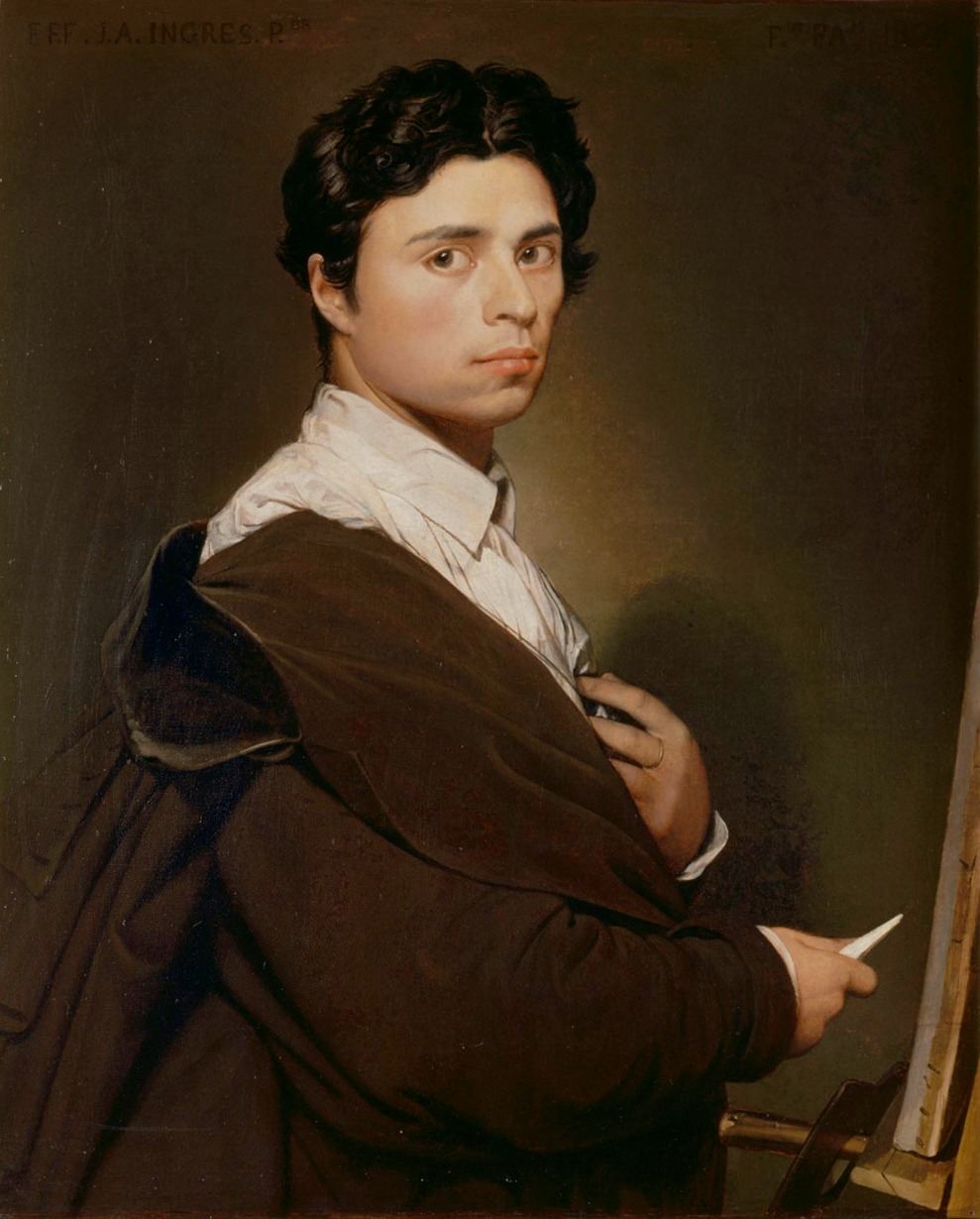
Dominique Ingres, born on August 29, 1780, in Montauban, France, is a seminal figure in the world of art. Known primarily for his exquisite portraiture and masterful technique, Ingres remains one of the most celebrated artists of the 19th century. His work is a cornerstone of neoclassical art, and his influence extends well beyond his time, affecting both his contemporaries and future generations. This comprehensive exploration delves into Dominique Ingres’s life, his rise to fame, and the significant milestones that define his career. We will also delve into the historical context of his work, the nuances of his artistic contributions, and the enduring legacy he has left in the art world.
Early Life and Artistic Training
Dominique Ingres was born into a family of modest means in Montauban, a town in southwestern France. His father, Jean-Marie-Joseph Ingres, was a painter and a decorative artist, which provided young Dominique with an early introduction to the world of art. From a young age, Ingres displayed a prodigious talent for drawing and painting, qualities that were nurtured by his father and local artistic community.
In 1797, at the age of seventeen, Ingres moved to Toulouse to further his artistic education. There, he studied at the Academy of Fine Arts under the tutelage of renowned artists. His early works were influenced by the classical tradition, which was a dominant force in French art at the time. In 1801, Ingres won the prestigious Prix de Rome, which allowed him to study at the French Academy in Rome. This period in Italy was crucial for Ingres, as it exposed him to the classical art of the Renaissance and ancient Rome, shaping his style and technique.
Breakthrough and Artistic Style
Dominique Ingres’s career began to take off when he returned to Paris in the early 1800s. His work was marked by a distinctive neoclassical style characterized by clean lines, precise detailing, and a focus on idealized forms. Ingres’s art was deeply influenced by his time in Italy, where he developed a profound appreciation for the works of Raphael and other Renaissance masters.
One of Ingres’s most notable early successes was the painting Oedipus and the Sphinx (1808), which garnered significant attention and established him as a prominent artist in Paris. The painting is a masterful example of Ingres’s ability to blend classical themes with a modern sensibility. The work showcases his skill in creating complex compositions and his attention to detail, hallmarks of his artistic approach.
Ingres’s style was characterized by a commitment to precision and idealism. His portraits, such as Madame Rivière (1805) and The Comtesse d’Haussonville (1845), are renowned for their meticulous attention to detail and the elegance of their subjects. Ingres’s ability to capture the essence of his sitters while adhering to classical principles of beauty and proportion was a defining feature of his work.
Major Works and Achievements
Dominique Ingres’s career was marked by several major works and achievements that solidified his place in art history. His painting La Grande Odalisque (1814) is one of his most famous and controversial works. The painting features a sensuous depiction of a reclining female figure and exemplifies Ingres’s skill in rendering the human form with precision and grace. The work was initially criticized for its unconventional portrayal of the female body, but it has since been recognized as a masterpiece of neoclassical art.
Another significant work by Ingres is The Turkish Bath (1862), which demonstrates his continued interest in exotic themes and his mastery of composition and color. The painting features a luxurious scene of a harem bathhouse and reflects Ingres’s fascination with Orientalism, a trend that was popular among European artists in the 19th century.
Throughout his career, Ingres was also known for his portraiture, which included depictions of prominent figures such as Napoleon Bonaparte and various members of French society. His portraits are celebrated for their psychological depth and the skillful rendering of textures and fabrics. Ingres’s ability to capture the character and status of his subjects while adhering to classical ideals was a testament to his artistic prowess.
Artistic Philosophy and Influence
Dominique Ingres’s artistic philosophy was rooted in his adherence to classical principles and his commitment to idealism. He believed in the importance of drawing and the study of classical forms as the foundation of artistic practice. Ingres’s emphasis on precision, form, and proportion was a reaction against the Romantic movement, which was characterized by its focus on emotion and individual expression.
In addition to his technical skills, Ingres was known for his theoretical writings on art. He was a proponent of the idea that artists should strive to achieve a perfect balance between idealism and realism. His views on art were influenced by his study of classical antiquity and Renaissance art, and he sought to elevate the status of painting through his commitment to technical excellence and classical ideals.
Ingres’s influence extended beyond his own time. His work had a significant impact on later artists, including those associated with the Academic tradition and the Symbolist movement. His emphasis on form and technique influenced the development of modern art, and his legacy continues to be felt in the art world today.
Challenges and Controversies
Despite his success, Dominique Ingres faced several challenges and controversies throughout his career. His strict adherence to classical principles often put him at odds with contemporary trends, particularly the Romantic movement, which was gaining popularity during his lifetime. Ingres’s commitment to idealism and precision was sometimes criticized as being too rigid and lacking in emotional depth.
Additionally, Ingres’s work was occasionally met with resistance from art critics and the public. His paintings, particularly those with exotic themes, were sometimes perceived as overly conservative or out of touch with the evolving tastes of the time. Despite these challenges, Ingres remained steadfast in his artistic vision and continued to produce work that was highly regarded by his peers and patrons.
Later Life and Legacy
Dominique Ingres continued to work and exhibit his art well into his later years. He remained an influential figure in the art world and was recognized for his contributions to the neoclassical tradition. Ingres’s influence was particularly evident in his role as a teacher and mentor to younger artists, many of whom went on to achieve significant success in their own right.
In 1867, Ingres was awarded the title of Grand Officer of the Legion of Honor, one of the highest honors in France. This recognition was a testament to his enduring impact on the art world and his contributions to the cultural heritage of France.
Dominique Ingres passed away on August 14, 1867, in Paris. His death marked the end of a remarkable career that had left a lasting legacy in the art world. Ingres’s work continues to be celebrated for its technical mastery, classical beauty, and influence on subsequent generations of artists.
Conclusion
Dominique Ingres’s life and career are a testament to the enduring power of classical art. His commitment to precision, idealism, and technical excellence set him apart as one of the most important artists of the 19th century. Ingres’s legacy is defined by his remarkable contributions to portraiture and neoclassical art, as well as his influence on future generations of artists.
As a pioneering figure in the art world, Ingres’s work remains a vital part of the artistic canon. His paintings continue to be studied and admired for their technical skill, beauty, and historical significance. Dominique Ingres’s impact on art history is a reflection of his dedication to his craft and his vision for the future of painting.


