
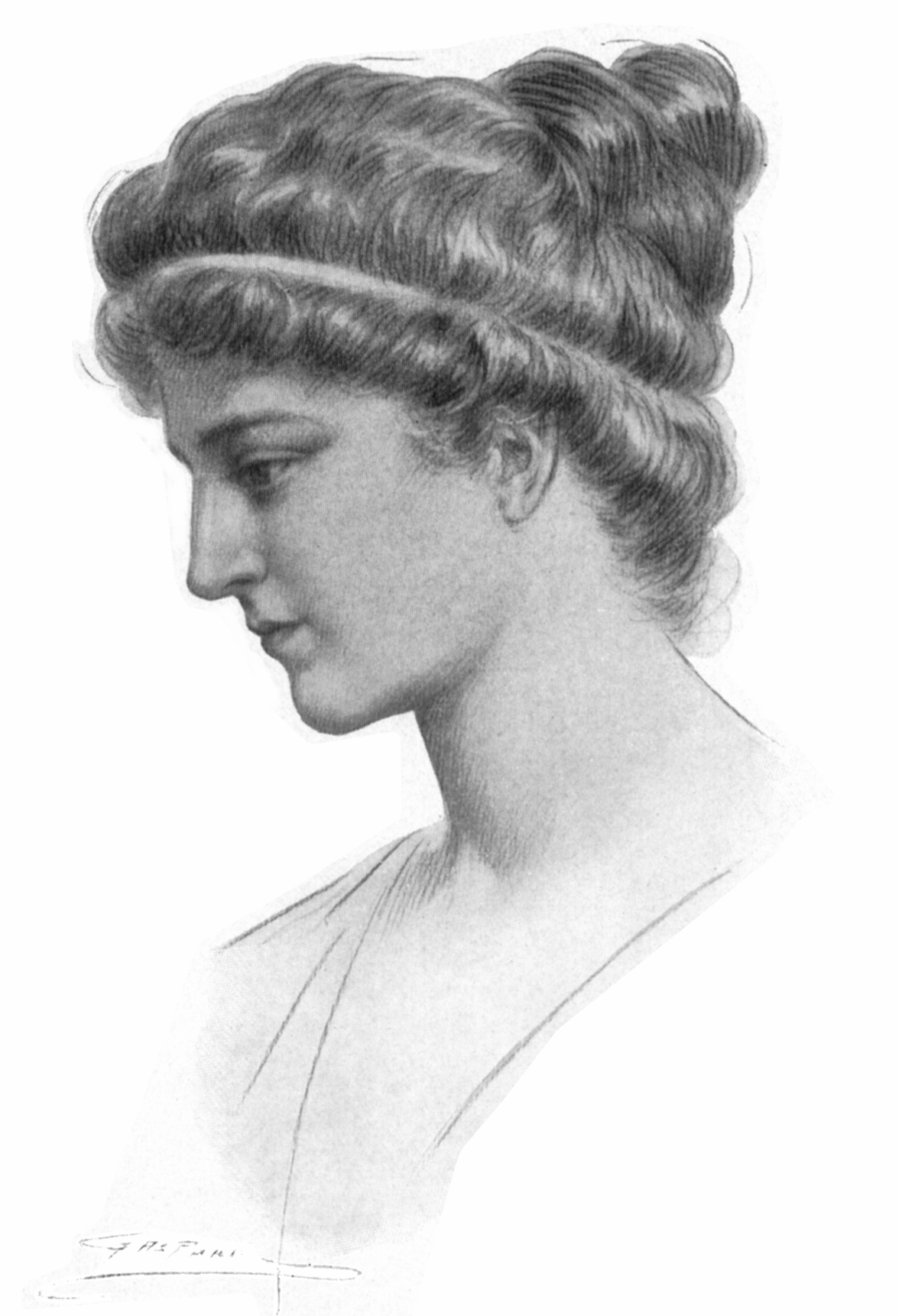
Ipazia di Alessandria, known as Hypatia in English, was a pioneering figure in the fields of mathematics, philosophy, and astronomy. Born around 370 CE, she became a symbol of learning and science during a time when these pursuits were often in conflict with the rising tide of early Christianity. As one of the first women to make a significant contribution to the development of mathematics, Hypatia’s life and work have left an indelible mark on history.
Early Life and Education
Hypatia was the daughter of Theon of Alexandria, a prominent mathematician and philosopher of his time. Growing up in such an intellectually stimulating environment, it is almost certain that Hypatia received her education under her father’s guidance. Theon was a significant influence on her, likely shaping her early interests in mathematics and philosophy. Alexandria, a major center of learning and culture, provided the perfect backdrop for Hypatia’s intellectual pursuits.
Rise to Prominence
By the time she reached adulthood, Hypatia had already made a name for herself as a brilliant scholar. Around 400 CE, she became the head of the Neoplatonic school in Alexandria, a remarkable achievement for anyone, let alone a woman in that era. Neoplatonism, a philosophical system developed from the teachings of Plato, was central to her teachings. Hypatia emphasized the importance of aiming for a higher reality, a concept rooted in Platonic thought, which posited that the ultimate reality was beyond human comprehension.
Her lectures on mathematics and philosophy attracted students from far and wide, including many Christians, despite the fact that her teachings were rooted in pagan philosophy. One of her most famous students was Synesius of Cyrene, who later became the Bishop of Ptolemais. The letters Synesius wrote to Hypatia, full of admiration and respect, provide us with valuable insights into her influence and the high regard in which she was held.
Hypatia’s Contributions to Mathematics and Science
While there is little evidence to suggest that Hypatia conducted original mathematical research, her contributions to the field are nonetheless significant. She assisted her father, Theon, in writing an eleven-part commentary on Ptolemy’s Almagest, one of the most important astronomical texts of antiquity. It is also believed that she helped him produce a new version of Euclid’s “Elements,” which became the basis for all subsequent editions of Euclid’s works.
In addition to her work with Theon, Hypatia is credited with writing commentaries on Diophantus’s “Arithmetica,” Apollonius’s “Conics,” and possibly on Ptolemy’s astronomical works. Although none of her works have survived, references to them by later scholars suggest that Hypatia was an excellent compiler, editor, and preserver of earlier mathematical works.
The Political and Religious Climate
Hypatia lived during a time of great political and religious turmoil. The early 5th century was marked by intense conflicts between Christians and pagans, as the Christian Church sought to establish its dominance over the Roman Empire. Hypatia, a pagan philosopher and scientist, found herself at the center of these conflicts.
In 412 CE, Cyril, later known as Saint Cyril, became the Patriarch of Alexandria. He and Orestes, the Roman prefect of Alexandria, were bitter political rivals. Hypatia’s friendship with Orestes, combined with her pagan beliefs and influential position, made her a target in the power struggle between church and state. Cyril’s followers viewed her as a threat, not just because of her philosophical views, but because of the authority and respect she commanded in the community.
The Tragic End
In March 415 CE, Hypatia met a brutal and tragic end. She was murdered by a mob of Christian zealots, often identified as the Nitrian Monks, who were supporters of Cyril. According to some accounts, she was dragged from her chariot, stripped naked, and brutally killed in the streets of Alexandria. Her body was then dismembered and burned. The exact details of her death vary depending on the source, but it is clear that her murder was motivated by a combination of religious intolerance, political rivalry, and misogyny.
Hypatia’s death marked a significant turning point in the history of Alexandria. It symbolized the decline of the classical world and the rise of Christian dominance in the Roman Empire. Her murder was a profound loss for the intellectual community, as it represented the silencing of one of the most brilliant minds of her time.
Hypatia’s Legacy
Despite the tragic end to her life, Hypatia’s legacy has endured. She is often remembered as a martyr for science and learning, a symbol of the conflict between reason and faith, and an early feminist icon. Her story has been retold in various forms, from Charles Kingsley’s 1853 novel “Hypatia, or New Foes with an Old Face” to the 2009 film “Agora,” which brought her story to a wider audience.
Hypatia’s life and work continue to inspire scholars, feminists, and advocates of science and reason. Her contributions to mathematics and philosophy, though largely lost, are still recognized for their importance in preserving and transmitting the knowledge of the ancient world. Her courage in the face of adversity, her commitment to intellectual inquiry, and her tragic death all contribute to her enduring status as a legendary figure in the history of science and philosophy.
Conclusion
Hypatia of Alexandria stands as a testament to the power of knowledge and the enduring human spirit. Her life, filled with intellectual achievements, was cut short by the intolerance and violence of her time. Yet, her legacy lives on, reminding us of the importance of learning, reason, and the pursuit of truth. In an age where the clash between science and religion still resonates, Hypatia’s story is more relevant than ever, serving as a powerful reminder of the need to protect and cherish the pursuit of knowledge.


