
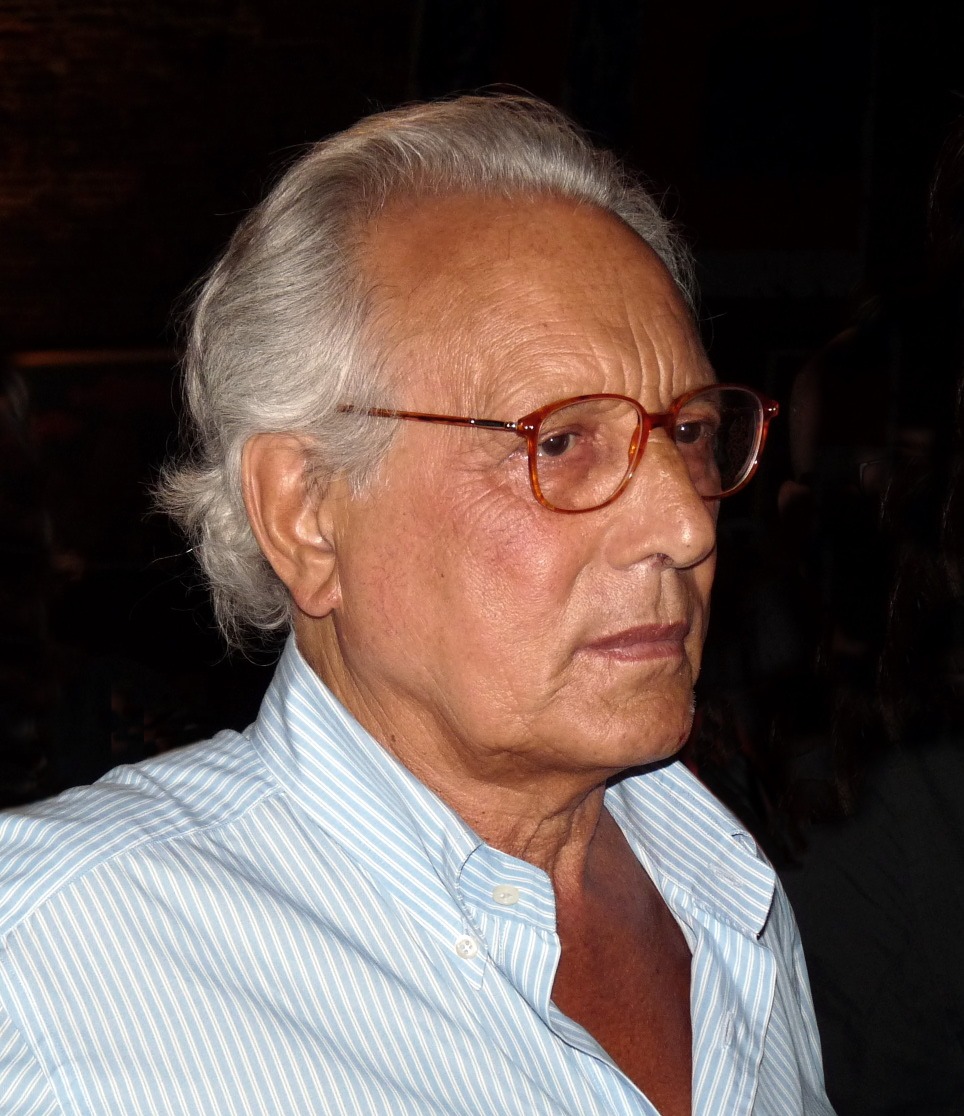
Enzo Jannacci, born on June 3, 1935, in Milan, Italy, was a multifaceted artist whose contributions to Italian music, theater, and film have left an indelible mark on the cultural landscape of the country. Known for his eccentric personality, Jannacci was not only a talented musician but also a dedicated doctor, combining his artistic pursuits with a deep commitment to his medical profession. His life and career are a testament to the power of creativity, resilience, and the ability to touch lives across multiple domains.
Early Life and Education
Enzo Jannacci was born into a family that valued both education and culture. His early life in Milan was steeped in the rich artistic traditions of the city, which would later influence his work as a musician and performer. Jannacci pursued his education with the same rigor he applied to his artistic endeavors. He graduated from the University of Milan with a degree in medicine and went on to specialize in general surgery. Despite achieving significant success in the entertainment industry, Jannacci never abandoned his medical career, continuing to practice as a surgeon even after fame had found him.
In addition to his medical studies, Jannacci was deeply involved in music. He studied piano at the Giuseppe Verdi Conservatory in Milan, where he earned diplomas in piano, harmony, composition, and conducting. These formal musical qualifications were complemented by his studies under the guidance of Maestro Centernieri, who was renowned for his work with some of Italy’s most famous orchestras. This combination of rigorous academic and musical training laid the foundation for Jannacci’s unique approach to songwriting and performance.
The Beginning of a Musical Career
Jannacci’s entry into the world of music was marked by his involvement in the burgeoning rock and roll scene in Milan during the 1950s. He performed at the legendary Santa Tecla club, a hotspot for emerging talent where he played alongside figures like Tony Dallara, Adriano Celentano, and his close friend Giorgio Gaber. These early experiences were formative for Jannacci, allowing him to develop his style that blended humor, irony, and deep emotional resonance.
However, it was not just the energy of rock and roll that influenced Jannacci. His artistic sensibilities were also shaped by the rich cultural tapestry of Milan, particularly the city’s tradition of cabaret and the arts. This influence became evident when Jannacci began performing at the famous Derby Club in Milan, a venue that was as much about cabaret as it was about music. It was here that Jannacci honed his skills as an entertainer, blending music with storytelling and theatrical elements.
One of the most significant early influences on Jannacci’s career was the playwright and actor Dario Fo. Recognizing Jannacci’s talent, Fo brought him into the world of theater, a move that would have a lasting impact on the young musician. Jannacci’s collaborations with Fo helped him to develop a more theatrical approach to his music, infusing his songs with a narrative depth that set him apart from his contemporaries.
Musical Success and Iconic Hits
The 1960s marked the beginning of Jannacci’s rise to fame as a singer-songwriter. His music, characterized by its blend of satirical humor, social commentary, and poetic lyricism, resonated with a wide audience. In 1959, Jannacci released his first record, L’ombrello di mio fratello, a 45 RPM single that quickly established him as a unique voice in the Italian music scene. His songs were often humorous yet poignant, reflecting the complexities of life in post-war Italy.
Jannacci’s breakthrough came with the release of the album 22 canzoni, which featured some of his most beloved songs, including Vengo anch’io, no tu no and Giovanni telegrafista. These songs, with their catchy melodies and witty lyrics, became anthems of the era, capturing the spirit of a generation that was grappling with rapid social change. Vengo anch’io, no tu no, in particular, became a massive hit, its playful yet profound lyrics appealing to listeners across the country.
Another song that cemented Jannacci’s place in Italian music history was L’Armando. This track, along with others like Veronica, showcased Jannacci’s ability to blend humor with a deep sense of humanity, making his music both entertaining and thought-provoking. His songs often dealt with the lives of ordinary people, shining a light on the struggles and joys of everyday existence in a way that was both empathetic and insightful.
Contributions to Film and Theater
Enzo Jannacci was not just a musician; he was also a prolific composer of film scores and a significant figure in Italian theater. His work in cinema includes composing the soundtrack for Mario Monicelli’s Romanzo Popolare, a film that explores the complexities of love and relationships in working-class Milan. Jannacci’s score for the film was widely praised, and it remains one of his most enduring contributions to Italian cinema.
One of Jannacci’s most notable achievements in film came in 1987 when he was nominated for an Academy Award for Best Original Score for his work on Lina Wertmüller’s Pasqualino Settebellezze. This recognition on the international stage underscored Jannacci’s talent as a composer and his ability to convey deep emotional themes through music.
In addition to his work in film, Jannacci was also active in theater, often collaborating with other prominent figures in the Italian arts scene. He co-wrote the play La tappezzeria with Beppe Viola, a piece that combined humor and social commentary in a way that was characteristic of Jannacci’s artistic approach. His theater work was not limited to his own performances; he also contributed to productions featuring other artists, further demonstrating his versatility and collaborative spirit.
Later Career and Continued Influence
Throughout the 1980s and 1990s, Jannacci continued to be a major force in Italian music and entertainment. In 1989, he participated in the prestigious Sanremo Music Festival for the first time with the song Se me lo dicevi prima, a powerful piece that addressed the issue of drug addiction. The song was a critical success and highlighted Jannacci’s ability to tackle serious social issues through his music.
Jannacci returned to Sanremo in 1991 with La fotografia, a duet with the renowned German singer Ute Lemper. The song earned Jannacci the Critics’ Award, further cementing his status as one of Italy’s most respected and influential musicians. That same year, he released the album Guarda la fotografia, which featured arrangements by Celso Valli and showcased Jannacci’s continued relevance in the ever-evolving music industry.
In 1994, Jannacci made another appearance at the Sanremo Festival, this time in collaboration with comedian and singer Paolo Rossi. Their song I soliti accordi was well received and became the title track of Jannacci’s subsequent album. This period also saw Jannacci working closely with his son, Paolo Jannacci, a talented musician in his own right, who contributed to the arrangements on many of his father’s later works.
As the new millennium approached, Jannacci continued to perform and record, returning to his jazz roots, a genre he had loved since his early musical days. In 2001, after several years of work, he released the album Come gli aeroplani, a deeply personal collection of songs dedicated to his father. The album, which featured 17 tracks, most of them new, was praised for its emotional depth and social relevance, standing as one of the high points of Jannacci’s later career.
Legacy and Impact
Enzo Jannacci’s influence on Italian culture is profound and enduring. His ability to blend humor with social commentary, his innovative approach to songwriting, and his contributions to film and theater have left an indelible mark on multiple artistic fields. Jannacci was a pioneer in the way he used music to address complex social issues, making his work both timeless and deeply relevant.
Jannacci’s music continues to be celebrated for its originality and emotional resonance. His songs, with their unique blend of wit and pathos, have become classics in the Italian musical canon, cherished by generations of listeners. Moreover, his work in theater and film has inspired countless artists, and his collaborations with figures like Dario Fo have helped to shape the landscape of Italian performance art.
Despite his fame, Jannacci remained committed to his medical career, demonstrating a deep sense of responsibility and compassion. This dual commitment to both art and medicine is a testament to his character, showing that Jannacci was not just a performer, but a person who cared deeply about making a difference in the world.
Enzo Jannacci passed away on March 29, 2013, after a long battle with cancer. His death marked the end of an era in Italian music and culture, but his legacy lives on through his vast body of work and the countless lives he touched through his music, performances, and medical practice.
Conclusion
Enzo Jannacci was a true Renaissance man, whose contributions to music, theater, film, and medicine have left an enduring legacy. His life was a testament to the power of creativity, compassion, and the belief that art can change the world. As we reflect on his career, it is clear that Jannacci’s work will continue to resonate with audiences for generations to come, reminding us of the beauty and complexity of the human experience.


