
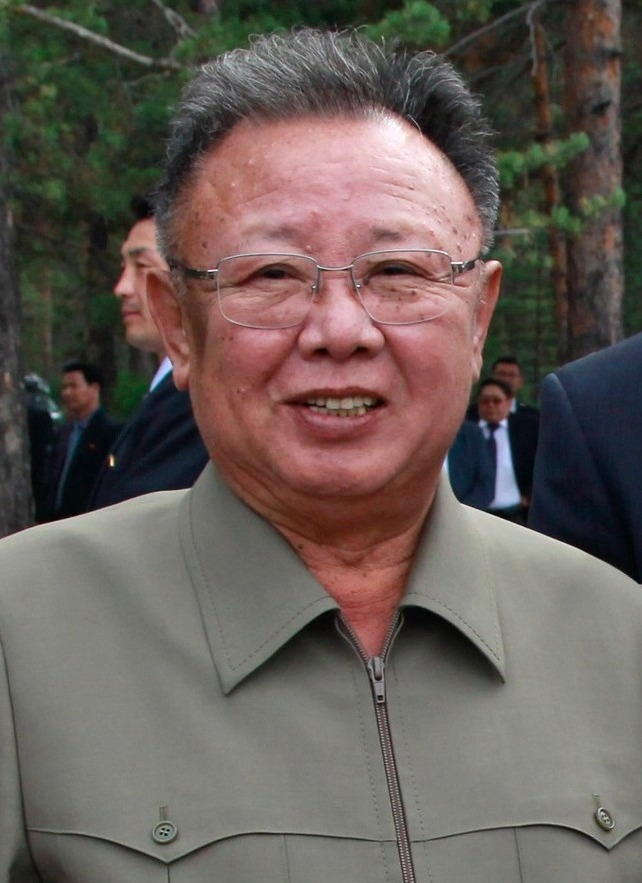
Kim Jong Il, often referred to as the “Dear Leader,” was one of the most enigmatic and controversial figures in modern history. His rule over North Korea was marked by a combination of absolute power, secrecy, and an intense cult of personality. Born on February 16, 1941 (or 1942, according to North Korean sources), Kim Jong Il’s life and leadership continue to intrigue and baffle historians, political analysts, and the global community. This article delves into the age, fame, and key life highlights of Kim Jong Il, offering detailed insights into the man who led one of the world’s most isolated and authoritarian regimes.
Early Life: Mystique and Myth
The origins of Kim Jong Il are shrouded in mystery, with conflicting reports and official narratives that blend fact with propaganda. According to Soviet archives, he was born in a military camp in Vyatskoye, near Khabarovsk in Siberia, on February 16, 1941. However, North Korean sources claim he was born a year later on Mount Paektu, a sacred site in Korean mythology. This discrepancy highlights the regime’s efforts to craft a mythic narrative around Kim Jong Il’s life from the very beginning.
His father, Kim Il Sung, the founding leader of North Korea, fled to the Soviet Union during Japan’s occupation of Korea, where he gained support for his guerrilla activities. Following Japan’s defeat in World War II and Korea’s liberation, the family returned to the Korean Peninsula, where Kim Il Sung was installed as the leader of the newly formed Democratic People’s Republic of Korea (DPRK) by Soviet leader Joseph Stalin.
Kim Jong Il’s childhood was marked by personal tragedy; his younger brother drowned when Kim was still a child, and his mother died when he was just seven years old. Despite these hardships, he grew up in relative luxury compared to the average North Korean, benefitting from his father’s position as the nation’s supreme leader.
Rise to Power: The Making of the “Dear Leader”
Kim Jong Il’s path to power was carefully orchestrated by his father, who formally named him as his successor in 1980. This move was part of a broader strategy to establish a dynastic rule in North Korea, a rarity in communist states where power typically does not pass through familial lines. Kim Jong Il’s rise was marked by his appointments to several key positions within the ruling Workers’ Party of Korea (WPK), including seats on the Politburo, the Central Military Commission, and the Secretariat.
One of Kim Jong Il’s early roles was as the regime’s cultural czar, overseeing propaganda and cultural production. His interest in cinema led to one of the most bizarre episodes of his career: the 1978 kidnapping of South Korean actress Choi Eun-hee and her director husband, Shin Sang-ok. The couple was forced to make films for the North Korean regime until they managed to escape in 1986. This incident underscores Kim Jong Il’s obsession with shaping North Korea’s cultural and ideological landscape according to his vision.
By 1991, Kim Jong Il had been appointed as the Supreme Commander of the Korean People’s Army, solidifying his control over the country’s military—a critical pillar of his power. His consolidation of power continued after his father’s death in 1994, which many predicted would lead to the collapse of North Korea. Instead, Kim Jong Il managed to maintain his grip on the country, navigating a series of crises that would have toppled many other regimes.
The Kim Jong Il Regime: Isolation and Survival
Kim Jong Il’s leadership was characterized by a policy of intense isolationism, often referred to as the “Hermit Kingdom” approach. This policy, rooted in the Juche ideology of self-reliance developed by his father, sought to insulate North Korea from external influences and maintain the regime’s absolute control over its people.
The collapse of the Soviet Union in the early 1990s dealt a severe blow to North Korea, as the country lost a key ally and source of economic support. Compounding this, a series of natural disasters in the mid-1990s, coupled with the inefficiencies of the state’s centralized agricultural system, led to a devastating famine. Known as the “Arduous March,” this period saw the deaths of hundreds of thousands, if not millions, of North Koreans from starvation and malnutrition.
Despite these challenges, Kim Jong Il managed to cling to power. His strategy involved a combination of military brinkmanship, diplomatic maneuvering, and the cultivation of an intense personality cult. The regime’s nuclear program, which began under Kim Il Sung but was accelerated under Kim Jong Il, became a cornerstone of its survival strategy. By developing nuclear weapons, North Korea sought to deter any potential external threats and gain leverage in international negotiations.
The Cult of Personality
One of the most distinctive aspects of Kim Jong Il’s rule was the cult of personality that surrounded him. This cult, which had begun under his father, reached new heights during Kim Jong Il’s reign. The North Korean media portrayed him as a near-divine figure, attributing to him superhuman abilities and accomplishments. He was said to have written operas, composed music, and authored books on a wide range of subjects, from philosophy to military strategy.
The state’s propaganda machine also depicted Kim Jong Il as a benevolent leader who cared deeply for his people, despite the stark contrast between this image and the harsh realities of life in North Korea. His birthday, February 16, known as the “Day of the Shining Star,” became one of the most important holidays in the country, marked by lavish celebrations and mandatory displays of loyalty.
The extent of the personality cult was such that even after his death, Kim Jong Il was not officially replaced as the head of state. Instead, he was given the title of “Eternal General Secretary” of the Workers’ Party, and the presidency was left vacant, with his father, Kim Il Sung, retaining the title of “Eternal President.”
Personal Life: Mystery and Intrigue
Much like his rise to power, Kim Jong Il’s personal life was steeped in mystery. He was known to have had multiple wives and mistresses, and fathered several children. His official wife, Kim Young-sook, was rarely seen in public, and much of his domestic life was kept out of the public eye. His third wife, Ko Yong-hui, is believed to have been the mother of his successor, Kim Jong-un.
Kim Jong Il’s health was a subject of much speculation, particularly in his later years. Reports of his declining health began to surface in the mid-2000s, with rumors of diabetes, heart disease, and other ailments. In 2008, he reportedly suffered a stroke, leading to increased speculation about his succession plans. Despite these rumors, Kim Jong Il continued to rule until his death on December 17, 2011, from a reported heart attack.
Legacy: A Divided Legacy
Kim Jong Il’s legacy is one of stark contrasts. To the outside world, he is often viewed as a dictator who presided over one of the most repressive regimes in modern history. His tenure was marked by widespread human rights abuses, economic mismanagement, and a relentless pursuit of nuclear weapons that brought North Korea into conflict with much of the international community.
However, within North Korea, Kim Jong Il is remembered as a leader who safeguarded the nation’s sovereignty and navigated it through some of its most challenging periods. The regime’s propaganda, which continues under his son Kim Jong-un, paints him as a hero who stood up to external threats and preserved the nation’s dignity.
The policies Kim Jong Il implemented, particularly the Songun or “Military-First” policy, have had lasting effects on North Korean society. This policy prioritized the military above all else, ensuring that the armed forces received the lion’s share of the country’s limited resources. As a result, the military remains a central institution in North Korean life, with significant influence over the country’s political and economic decisions.
The Succession: Kim Jong-un Takes Power
Kim Jong Il’s death in 2011 marked the end of an era, but it also paved the way for the rise of his son, Kim Jong-un. The transition of power was swift, with Kim Jong-un quickly assuming his father’s titles and responsibilities. The younger Kim, who had been groomed for leadership in the years leading up to his father’s death, faced the daunting task of maintaining the regime’s stability while navigating the complexities of international diplomacy.
Under Kim Jong-un, North Korea has continued many of the policies established by his father, including the pursuit of nuclear weapons and the maintenance of a strict internal security apparatus. However, Kim Jong-un has also made some notable departures from his father’s playbook, including a greater emphasis on economic development and a willingness to engage in high-profile diplomacy, particularly with the United States and South Korea.
Conclusion
Kim Jong Il’s life and rule were defined by secrecy, power, and a relentless focus on maintaining control over North Korea. His leadership style was deeply influenced by the legacy of his father, Kim Il Sung, but he also left his own indelible mark on the country. Through a combination of military strength, political cunning, and an unyielding personality cult, Kim Jong Il managed to navigate North Korea through some of its most perilous moments, ensuring the survival of the regime he inherited.
However, his legacy is a deeply controversial one, with a country that remains isolated, impoverished, and heavily militarized. The impact of his rule continues to be felt today, as his son, Kim Jong-un, carries forward the dynastic leadership that Kim Jong Il so carefully crafted. As the world continues to grapple with the challenges posed by North Korea, the shadow of Kim Jong Il looms large, a testament to his enduring influence over the nation he once led.


