
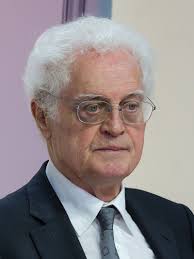
Lionel Jospin, born on July 12, 1937, in Meudon, a suburb of Paris, is a notable figure in French politics, recognized for his tenure as Prime Minister of France from 1997 to 2002. His political journey is marked by significant reforms, including the implementation of the 35-hour workweek, the establishment of universal health coverage, and the introduction of civil unions known as PACS. Jospin’s life and career are emblematic of the post-war political landscape in France, blending intellectual rigor with a commitment to social justice.
Early Life and Education
Lionel Jospin was born into a Protestant family, the second of four children. His upbringing in a modest, working-class neighborhood of Paris exposed him to the struggles of the urban proletariat, shaping his worldview and instilling in him a deep sense of social responsibility. His father, Robert Jospin, was a schoolteacher with socialist leanings, who played a significant role in shaping Lionel’s political ideology. Robert Jospin’s commitment to social causes, particularly his work with disadvantaged youth, left an indelible mark on his son, who would later carry these values into his political career.
From a young age, Lionel Jospin demonstrated exceptional academic abilities, excelling in his studies. His intellectual promise led him to enroll at the prestigious Institut d’études politiques de Paris (IEP), commonly known as Sciences Po, in 1956. Sciences Po was, and remains, a breeding ground for France’s political elite, offering Jospin the opportunity to engage with the nation’s most promising minds. His time at Sciences Po was followed by military service in Germany, which further broadened his perspective on international relations and governance.
After completing his military service, Jospin returned to France and pursued further studies at the École nationale d’administration (ENA), a prestigious institution that has produced many of France’s leading politicians and civil servants. Graduating from ENA in 1965, Jospin was well-equipped for a career in public service, with a solid foundation in the principles of administration, governance, and public policy.
Political Beginnings and Rise to Prominence
Jospin’s entry into politics was marked by his involvement in the Union of the Socialist Left (UGS) in 1958, a movement that sought to unite various left-wing factions in France. This early involvement laid the groundwork for his long-standing commitment to socialist principles. In 1960, the UGS merged with other socialist groups to form the Unified Socialist Party (PSU), where Jospin continued to build his political career.
In 1971, following the reorganization of the Socialist Party (PS) under the leadership of François Mitterrand, Jospin was brought into the party’s leadership ranks. Mitterrand, recognizing Jospin’s potential, appointed him to key positions within the party, including a role on the executive committee and later as the National Secretary for Public Education. Jospin’s tenure in these roles was marked by his dedication to education reform and his ability to navigate the complex dynamics of party politics.
Jospin’s political career took a significant leap forward in 1981 when he was elected to the French National Assembly for the first time. This election coincided with François Mitterrand’s ascension to the presidency, marking a new era for the French Socialist Party. As a member of the National Assembly, Jospin quickly established himself as a prominent figure within the party, advocating for social justice, education reform, and economic equality.
Ministerial Roles and the Path to Prime Minister
During the 1980s, Jospin held several important ministerial positions, further solidifying his reputation as a capable and dedicated public servant. In 1988, he was appointed Minister of National Education, Research, and Sports in the government of Michel Rocard. This role allowed Jospin to implement significant reforms in the French education system, including measures to increase access to higher education and improve the quality of public schooling.
Jospin’s tenure as Minister of National Education was marked by his commitment to egalitarian principles, seeking to reduce educational disparities and promote social mobility. His efforts earned him respect both within his party and among the general public, although his relationship with President Mitterrand became increasingly strained over time. This tension culminated in 1992 when Jospin was excluded from the cabinet of Prime Minister Pierre Bérégovoy, leading to a temporary setback in his political career.
Despite this setback, Jospin remained a key figure within the Socialist Party. In 1993, following a significant electoral defeat for the left, Jospin took on the responsibility of revitalizing the party. His leadership during this challenging period was crucial in reestablishing the Socialist Party as a major force in French politics.
Prime Ministership: Achievements and Challenges
In 1997, following the victory of the left-wing coalition in early parliamentary elections, Lionel Jospin was appointed Prime Minister of France by President Jacques Chirac. This period of “cohabitation,” where the President and Prime Minister came from opposing political parties, presented unique challenges for Jospin. However, his pragmatic approach to governance and his ability to forge alliances allowed him to navigate the complexities of this arrangement effectively.
As Prime Minister, Jospin’s government implemented a series of ambitious reforms aimed at modernizing the French economy and improving social welfare. One of the most notable achievements of his tenure was the introduction of the 35-hour workweek, a policy designed to reduce unemployment and improve work-life balance. This reform was both lauded and criticized, with supporters arguing that it promoted a healthier work-life balance, while detractors claimed it placed undue strain on businesses.
In addition to the workweek reform, Jospin’s government introduced the Pacte Civil de Solidarité (PACS), a form of civil union that provided legal recognition for same-sex couples. This was a groundbreaking move in a country with deep-rooted conservative traditions, reflecting Jospin’s commitment to expanding civil rights and promoting social equality.
Another significant achievement of Jospin’s government was the establishment of universal health coverage in France. This policy ensured that all citizens had access to healthcare, regardless of their financial situation, further solidifying France’s reputation as a leader in social welfare.
However, Jospin’s tenure as Prime Minister was not without its challenges. His government faced criticism for its handling of economic issues, particularly with regard to unemployment and public sector reforms. Additionally, the cohabitation arrangement with President Chirac often led to political friction, complicating efforts to pass legislation and implement reforms.
The 2002 Presidential Election and Political Retirement
As Jospin’s term as Prime Minister came to an end, he announced his candidacy for the 2002 presidential election. The campaign was marked by intense competition, with Jospin positioning himself as the candidate of social justice and progressive reform. However, the election took a dramatic turn when far-right candidate Jean-Marie Le Pen unexpectedly advanced to the second round, pushing Jospin out of the race.
Jospin’s failure to advance to the second round was a significant blow, not only to his political career but also to the French left as a whole. In the aftermath of the election, Jospin announced his retirement from politics, stating that he bore full responsibility for the defeat. This decision marked the end of a long and distinguished political career, although Jospin would continue to contribute to public discourse through writing and occasional public appearances.
Legacy and Continued Influence
Despite his retirement, Lionel Jospin’s influence on French politics and society remains significant. His tenure as Prime Minister is often remembered for the bold social and economic reforms he implemented, many of which continue to shape French society today. The 35-hour workweek, universal health coverage, and PACS are just a few examples of the lasting impact of his policies.
In 2010, Jospin published a memoir titled “Lionel raconte Jospin,” in which he reflected on his time in government and his broader political career. The memoir provided valuable insights into the challenges of leadership, the complexities of governance, and the personal toll of political life. It also served as a reminder of Jospin’s commitment to public service and his belief in the power of politics to effect positive change.
In addition to his memoir, Jospin’s legacy was further cemented by a documentary released in 2010, directed by Patrick Rotman. The documentary, which was based on Jospin’s memoir, offered a compelling portrayal of his life and career, providing a nuanced understanding of the man behind the policies.
Conclusion: Lionel Jospin’s Enduring Impact
Lionel Jospin’s life and career offer a compelling example of the challenges and rewards of political leadership. From his early days as a student at Sciences Po to his tenure as Prime Minister, Jospin consistently demonstrated a commitment to social justice, equality, and public service. His legacy is one of significant achievement, marked by reforms that have had a lasting impact on French society.
While his political career ended in disappointment with the 2002 presidential election, Jospin’s influence continues to be felt. His policies on work, health, and civil rights remain relevant, offering valuable lessons for contemporary political leaders. Moreover, his memoir and the documentary based on his life provide important reflections on the nature of political leadership and the enduring challenges of governance.
Lionel Jospin may have stepped away from the political spotlight, but his contributions to French society and politics ensure that his legacy will endure. As France continues to grapple with the challenges of the 21st century, Jospin’s example serves as a reminder of the importance of principled leadership and the power of politics to drive social change.


