
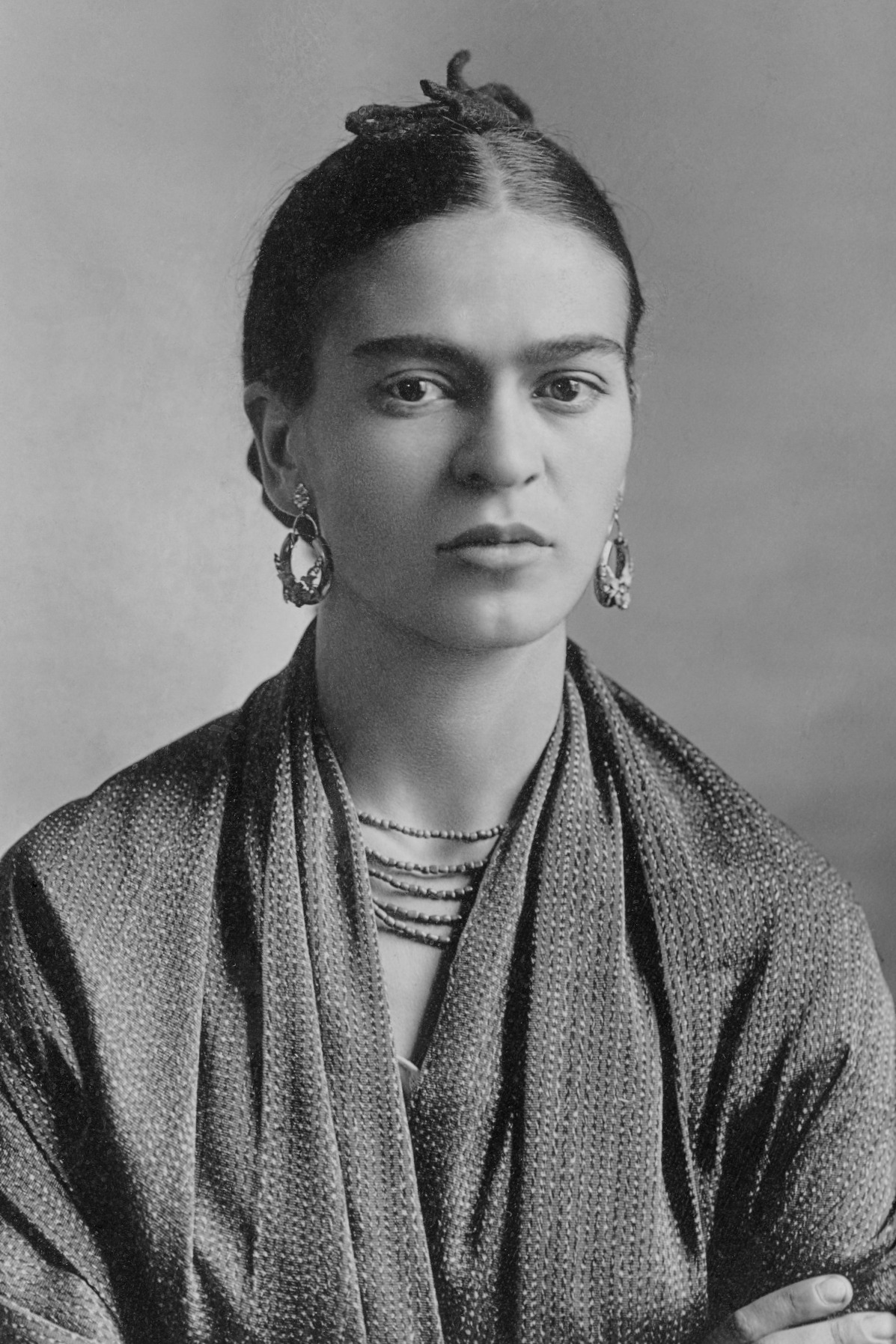
Frida Kahlo is one of the most iconic and revered artists of the 20th century. Her life, marked by physical suffering, emotional turmoil, and an indomitable spirit, has left an indelible impact on the world of art and culture. Born on July 6, 1907, in Coyoacán, Mexico, Kahlo’s legacy is not just in her paintings but in her unyielding commitment to expressing her truth, pain, and identity through her art. This article delves into the life, fame, and key highlights of Frida Kahlo, offering detailed insights into the nuances of her extraordinary journey.
Early Life and Family Background
Magdalena Carmen Frida Kahlo y Calderón was born into a family with a rich cultural background. Her father, Wilhelm (later Guillermo) Kahlo, was a German immigrant of Hungarian-Jewish descent who had moved to Mexico, where he worked as a photographer. Frida was deeply attached to her father, who was a significant influence on her life. He not only introduced her to the world of art but also supported her through her many health challenges. Her mother, Matilde Calderón y González, was of mixed Indigenous and Spanish descent, and her heritage played a vital role in shaping Frida’s identity and the themes of her work.
Kahlo’s early years were marked by health challenges. At the age of six, she contracted polio, which left her with a limp. This illness, combined with the spina bifida she was born with—a condition that was often mistaken for polio—contributed to a life filled with pain and physical limitations. Despite these challenges, Kahlo was a bright and spirited child, known for her rebellious nature and keen intellect.
The Turning Point: A Tragic Accident
At the age of 18, Frida Kahlo’s life took a dramatic turn when she was involved in a horrific bus accident. On September 17, 1925, the bus she was riding collided with a streetcar, leaving her with multiple fractures in her spine, pelvis, and other parts of her body. A metal handrail impaled her abdomen, causing severe internal injuries that would lead to lifelong complications and chronic pain.
This accident was a pivotal moment in Kahlo’s life. It left her bedridden for months, during which she began to paint seriously. Her parents, recognizing her need for creative expression, provided her with a specially made easel that allowed her to paint while lying down. They also installed a mirror above her bed, which enabled her to create the self-portraits that would become a hallmark of her work.
Kahlo’s art was deeply influenced by her physical and emotional suffering. Her paintings often depicted her pain and the medical procedures she endured, blending realism with surrealism. The themes of trauma, recovery, and the fragility of the human body are recurring elements in her work, making her paintings not only visually striking but also emotionally resonant.
Artistic Development and Influences
Frida Kahlo’s artistic journey was shaped by a myriad of influences. Initially, she was inspired by Mexican folk art, with its vibrant colors, symbolic imagery, and connection to Indigenous culture. This influence is evident in her use of bright, bold colors and the incorporation of traditional Mexican symbols and motifs in her paintings.
Her work was also influenced by her relationship with Diego Rivera, the famed Mexican muralist. Kahlo first met Rivera in 1927, seeking his opinion on her work. Rivera was impressed by her talent and encouraged her to pursue painting seriously. The two developed a close relationship, and in 1929, they married. Rivera was 20 years her senior, and their marriage was as tumultuous as it was passionate. Both artists were known for their fiery tempers and extramarital affairs, yet they remained deeply connected, both personally and professionally.
Rivera introduced Kahlo to the world of Mexican politics and the intellectual circles of the time. She became an active member of the Communist Party and was involved in various political activities. This political engagement is reflected in her work, which often addresses themes of Mexican identity, social justice, and the struggles of the working class.
Fame and Recognition
While Frida Kahlo is celebrated today as one of the most significant artists of the 20th century, her recognition during her lifetime was more limited. Her first solo exhibition took place in 1938 at the Julien Levy Gallery in New York, organized by the surrealist poet and critic André Breton. Although Kahlo herself did not consider her work to be part of the surrealist movement, Breton and other critics of the time were drawn to the dreamlike quality of her paintings.
Kahlo’s exhibition in New York was well-received, and it marked the beginning of her international recognition. The following year, she traveled to Paris, where her work was exhibited at the Louvre, making her the first Mexican artist to be featured in the prestigious museum. Despite these successes, Kahlo’s health continued to decline, and she struggled with chronic pain and the emotional toll of her troubled marriage.
In Mexico, Kahlo’s reputation was growing, but it wasn’t until after her death that she truly became an icon. Her work was deeply personal, reflecting her experiences as a woman, a Mexican, and someone who lived with disability and chronic pain. It was only in the late 20th century, with the rise of feminist movements and the increased interest in marginalized voices in art, that Kahlo’s work was re-examined and celebrated for its bold exploration of identity, gender, and the human experience.
Personal Life and Relationships
Frida Kahlo’s personal life was as complex and vivid as her paintings. Her marriage to Diego Rivera was marked by infidelity, heartbreak, and reconciliation. Despite their numerous separations and affairs—Kahlo herself had relationships with both men and women, including the Russian revolutionary Leon Trotsky—the couple shared a deep bond. They divorced in 1939 but remarried a year later, continuing their intense relationship until Kahlo’s death.
Kahlo’s bisexuality was a significant aspect of her life, and she had relationships with both men and women, including notable figures such as artist Georgia O’Keeffe. Her openness about her sexuality was unconventional for her time, further establishing her as a figure who defied societal norms and expectations.
Her inability to have children was one of the great sorrows of Kahlo’s life. She suffered several miscarriages and a traumatic abortion, experiences that deeply influenced her art. Paintings like “Henry Ford Hospital” and “Frida and the Miscarriage” vividly depict her anguish and longing for motherhood.
Legacy and Cultural Impact
Frida Kahlo’s impact on art and culture extends far beyond her paintings. She has become a symbol of resilience, feminist struggle, and the celebration of Mexican culture. Her work is characterized by its raw honesty, emotional depth, and vibrant use of color and symbolism, making her one of the most recognizable and beloved artists in the world.
In the years following her death on July 13, 1954, Kahlo’s fame grew, especially during the 1970s when feminist movements embraced her as an icon of female creativity and endurance. Her life and art have inspired countless books, films, and exhibitions, solidifying her place in the pantheon of great artists.
Kahlo’s home, La Casa Azul (The Blue House) in Coyoacán, has been transformed into a museum dedicated to her life and work. It remains a pilgrimage site for fans and art lovers from around the world, who are drawn to the vibrant environment where Kahlo lived and created much of her work.
In 2001, Frida Kahlo became the first Hispanic woman to be honored with a U.S. postage stamp, highlighting her significance not only in the art world but also as a cultural and political figure. Her image has become a global symbol of artistic freedom, strength in the face of adversity, and the enduring power of self-expression.
Conclusion
Frida Kahlo’s life and work are a testament to the power of art to convey the deepest human emotions and experiences. Through her paintings, she explored themes of pain, identity, love, and politics, creating a body of work that resonates with people across cultures and generations. Her legacy as an artist and cultural icon continues to grow, inspiring new generations to find their voice and express their truth, just as she did. Frida Kahlo’s story is not just one of personal struggle and artistic triumph; it is a celebration of life in all its complexity and beauty.


